
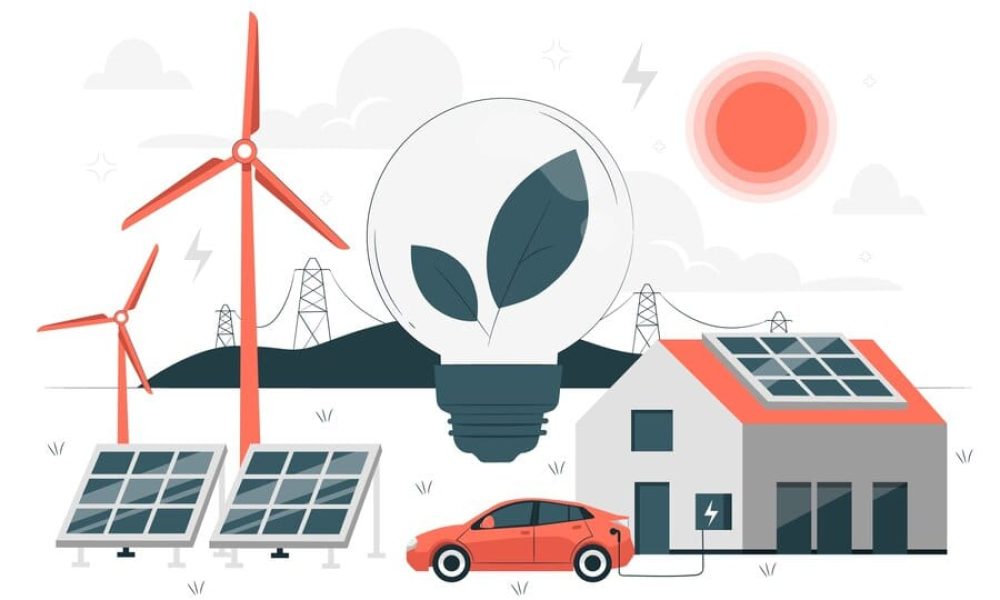
The global energy landscape is undergoing a profound transformation as the demand for cleaner, more sustainable solutions continue to rise. As the world increasingly shifts toward reducing carbon emissions and combating climate change, the smart energy market is poised for significant growth. Central to this shift is the rapid advancement of renewable energy technologies, which are driving new opportunities in the energy sector. These innovations are enabling more efficient, flexible, and sustainable energy management, positioning the smart energy market as a key driver of the global energy transition.
To Learn More About This Report, Request a Free Sample Copy – https://www.skyquestt.com/sample-request/smart-energy-market
The Rise of Smart Energy
Smart energy refers to the integration of modern technologies with energy production, distribution, and consumption systems to enhance efficiency, reduce waste, and improve sustainability. It involves the use of digital tools such as smart meters, sensors, and automation systems to optimize energy usage across homes, businesses, and industries. By leveraging data analytics and real-time monitoring, smart energy systems enable utilities and consumers to make more informed decisions about energy use.
The increasing adoption of renewable energy sources, such as wind, solar, and hydropower, is a fundamental aspect of smart energy systems. These technologies require a new level of flexibility and adaptability to integrate into the existing power grid, which has historically relied on fossil fuels. Smart energy solutions are designed to address these challenges by enabling better integration of intermittent renewable sources, optimizing energy storage, and improving grid reliability.
Advancements in Renewable Energy Technologies
Recent advancements in renewable energy technologies have played a crucial role in propelling the smart energy market forward. The following innovations are particularly noteworthy:
- Solar Energy: Photovoltaic (PV) technology has become more efficient and affordable, driving widespread adoption of solar panels. Additionally, the development of solar energy storage solutions, such as advanced batteries, has allowed for better integration of solar energy into the grid. This is vital for balancing supply and demand, as solar power generation is intermittent and dependent on sunlight.
- Wind Energy: Innovations in wind turbine design have significantly increased the efficiency and scalability of wind energy projects. Larger, more powerful turbines and improved aerodynamics have made wind energy a more competitive option in the global energy market. Offshore wind farms, which take advantage of stronger and more consistent winds, are also expanding rapidly, contributing to the overall growth of renewable energy.
- Energy Storage: Energy storage technologies, including lithium-ion batteries and emerging alternatives such as solid-state and flow batteries, are critical to the success of renewable energy integration. These systems store excess energy generated by renewable sources for later use, ensuring a stable and reliable energy supply. Enhanced energy storage capabilities enable better grid management and reduce reliance on fossil fuels.
- Smart Grid Technologies: The development of smart grids, which use advanced communication and control technologies to monitor and manage electricity distribution, is revolutionizing the energy sector. Smart grids allow for real-time monitoring of energy flow, better demand-response management, and improved integration of renewable energy sources. These grids also provide consumers with the ability to manage their energy usage more efficiently through smart meters and devices.
- Artificial Intelligence and Big Data: The use of artificial intelligence (AI) and big data analytics is transforming energy management. AI can predict energy demand, optimize energy production, and improve decision-making processes across the grid. Machine learning algorithms also help identify potential issues before they arise, enhancing system reliability and reducing maintenance costs.
Market Drivers and Growth Opportunities
The growth of the smart energy market is driven by several key factors:
- Environmental Regulations and Policies: Governments worldwide are implementing stricter environmental regulations and setting ambitious targets for reducing greenhouse gas emissions. These policies are creating a favorable environment for the development and adoption of renewable energy technologies and smart energy systems.
- Cost Reduction of Renewable Energy: As renewable energy technologies continue to improve, the cost of solar, wind, and energy storage systems is steadily declining. This makes renewable energy more accessible to a broader range of consumers, from residential users to large corporations.
- Consumer Demand for Sustainability: Consumers are increasingly prioritizing sustainability in their energy choices. The desire for greener, more eco-friendly energy solutions is fueling the demand for smart energy systems that can help reduce carbon footprints and promote energy efficiency.
- Energy Security and Independence: The geopolitical instability and fluctuating prices of fossil fuels have underscored the importance of energy security and independence. By investing in renewable energy and smart grid technologies, countries can reduce their reliance on imported fuels and increase energy resilience.
- Technological Advancements: Ongoing advancements in renewable energy technologies, such as improved efficiency, storage solutions, and grid management tools, are making smart energy systems more viable and cost-effective. These innovations are paving the way for widespread adoption of smart energy solutions.
Challenges and Barriers to Growth
Despite the promising outlook for the smart energy market, there are several challenges that could hinder its growth:
- Infrastructure and Investment Needs: Building the infrastructure necessary to support smart energy systems requires significant investment. Upgrading existing power grids, deploying smart meters, and developing energy storage systems all require capital, which may be a barrier for some regions and utilities.
- Regulatory and Policy Hurdles: While many governments are adopting policies to support renewable energy, regulatory frameworks and policy incentives still vary significantly between regions. Inconsistent regulations can create uncertainty for businesses and investors looking to enter the smart energy market.
- Technological Integration: Integrating renewable energy technologies and smart grid systems into existing energy infrastructure can be complex and costly. Ensuring compatibility between new and old systems is a key challenge that must be addressed to maximize the potential of smart energy solutions.
- Cybersecurity Risks: As energy systems become more connected and reliant on digital technologies, they are increasingly vulnerable to cyberattacks. Protecting critical infrastructure from cyber threats is a major concern that must be addressed to ensure the reliability and security of smart energy networks.
Read Smart Energy Market Report Today – https://www.skyquestt.com/report/smart-energy-market
The smart energy market is at the forefront of the global energy revolution, driven by advancements in renewable energy technologies and the growing demand for sustainable, efficient energy solutions. As solar, wind, and energy storage technologies continue to improve and become more affordable, the integration of these resources into smart energy systems will accelerate. Although challenges remain, the continued innovation and adoption of smart energy technologies present significant growth opportunities for businesses, governments, and consumers alike.
In the coming years, the smart energy market is expected to expand rapidly, reshaping the global energy landscape and paving the way for a more sustainable, resilient, and efficient energy future. By embracing these advancements, stakeholders can play a crucial role in driving the global transition to clean energy.




