
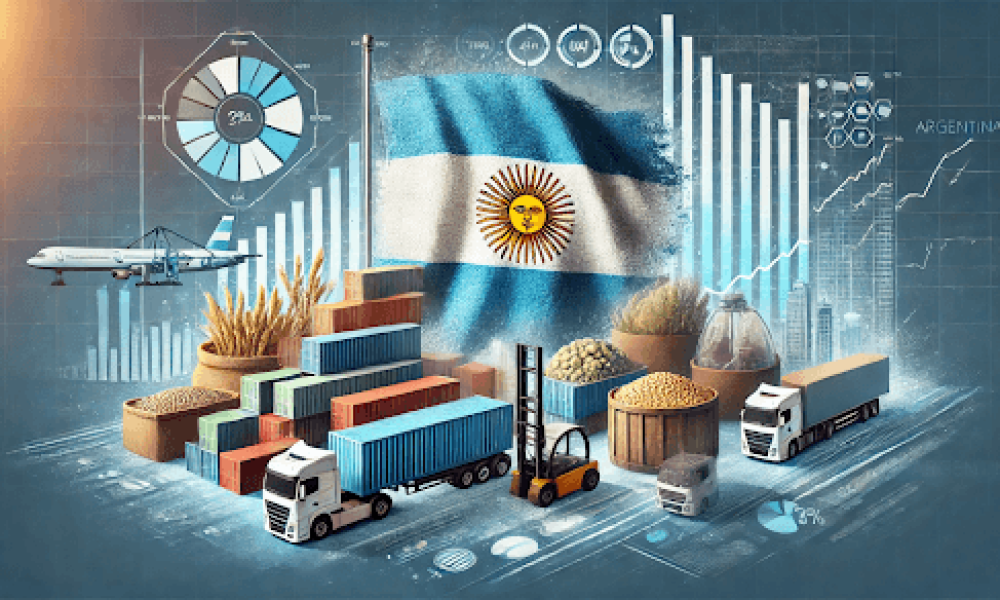
Argentina has achieved a historic $18 billion trade surplus in 2024, marking its first financial surplus in over a decade. This milestone is attributed to a combination of booming exports in agriculture, energy, and mining, alongside reduced reliance on imports through strategic domestic production improvements. The surplus signals a transformative period in Argentina’s economic trajectory, offering renewed optimism for sustained growth and stability.
A Historic Economic Recovery
The trade surplus represents a turning point for Argentina, a nation that has faced prolonged economic struggles characterized by trade deficits, inflation, and fiscal challenges. The robust surplus is the result of both a global surge in demand for Argentina’s key exports and concerted efforts to enhance the efficiency of its trade practices.
Agricultural exports, long the backbone of Argentina’s economy, played a central role in this achievement. Record soybean and wheat harvests, bolstered by favorable weather and competitive global prices, significantly contributed to the surplus. Additionally, beef exports reached new highs, with increased shipments to markets across Asia and the Middle East.
Simultaneously, the country’s energy sector has emerged as a crucial driver of growth. Natural gas exports, propelled by production from the Vaca Muerta shale reserve, have gained prominence, while Argentina’s rising status as a leading lithium producer has aligned with the global shift toward renewable energy and electric vehicles.
Key Drivers of the Trade Boom
Argentina’s agricultural sector accounted for a substantial share of the record surplus. Soybean exports benefitted from strong global demand and favorable currency conditions, making Argentine products competitive in international markets. Beef, a signature export, found new demand from emerging markets, helping to diversify Argentina’s trade partners.
The energy sector’s growth has further propelled the trade balance. Vaca Muerta, one of the largest shale oil and gas reserves globally, has enabled a steady rise in natural gas exports. Concurrently, lithium production has seen remarkable growth as Argentina capitalizes on its rich mineral reserves to supply critical materials for the renewable energy industry.
Infrastructure improvements have also played a vital role in facilitating trade. Upgraded railways, ports, and transportation networks have enhanced the efficiency of moving goods to export destinations. These advancements have reduced logistical bottlenecks and strengthened Argentina’s position as a reliable supplier on the global stage.
Strategic Management of Imports
While exports surged, Argentina’s ability to strategically manage imports contributed significantly to its trade surplus. Efforts to promote domestic production over imported goods have reduced the country’s reliance on foreign machinery, chemicals, and consumer products.
Policies encouraging local manufacturing have not only cut import costs but also supported job creation and industrial growth within the country. The balance between reducing imports and expanding exports has been pivotal in achieving the surplus while fostering self-reliance in critical sectors.
Challenges and Opportunities Ahead
Despite this achievement, challenges remain for Argentina’s economy. Inflationary pressures continue to weigh on domestic consumers and businesses, and maintaining fiscal discipline is essential to ensuring long-term economic stability. To build on the current momentum, Argentina will need to focus on structural reforms, particularly in areas like taxation, labor markets, and investment policies.
The global economic landscape also presents uncertainties. Fluctuating commodity prices, shifting trade dynamics, and geopolitical tensions could impact Argentina’s export-driven growth. Diversifying its trade portfolio and strengthening partnerships with key global players will be crucial to mitigating these risks.
At the same time, Argentina has significant opportunities to expand its role in emerging markets. By investing in renewable energy, advanced manufacturing, and technology, the country can diversify its economy and reduce reliance on volatile commodities. Strengthening its position in the global supply chain for lithium and renewable energy materials could provide long-term stability and growth.
Regional and Global Implications
Argentina’s record trade surplus underscores its importance in global trade and highlights its potential to influence regional dynamics. As a leading agricultural exporter, the country plays a crucial role in ensuring global food security. Its contributions to the renewable energy sector, particularly through lithium production, further enhance its relevance in addressing global energy challenges.
Regionally, Argentina’s economic success presents opportunities for collaboration with neighboring countries. Strengthened trade ties, joint infrastructure projects, and coordinated economic strategies could amplify growth across South America, creating a more integrated and competitive regional economy.
Conclusion
Argentina’s record $18 billion trade surplus in 2024 marks a defining moment in its economic journey. By capitalizing on its strengths in agriculture, energy, and mining, and managing imports strategically, the country has achieved a significant financial milestone.
While challenges remain, the surplus provides a foundation for continued growth and confidence in Argentina’s economic future. By addressing structural vulnerabilities, diversifying its economy, and fostering innovation, Argentina can secure its place as a key player in global trade and ensure sustainable prosperity for years to come.