
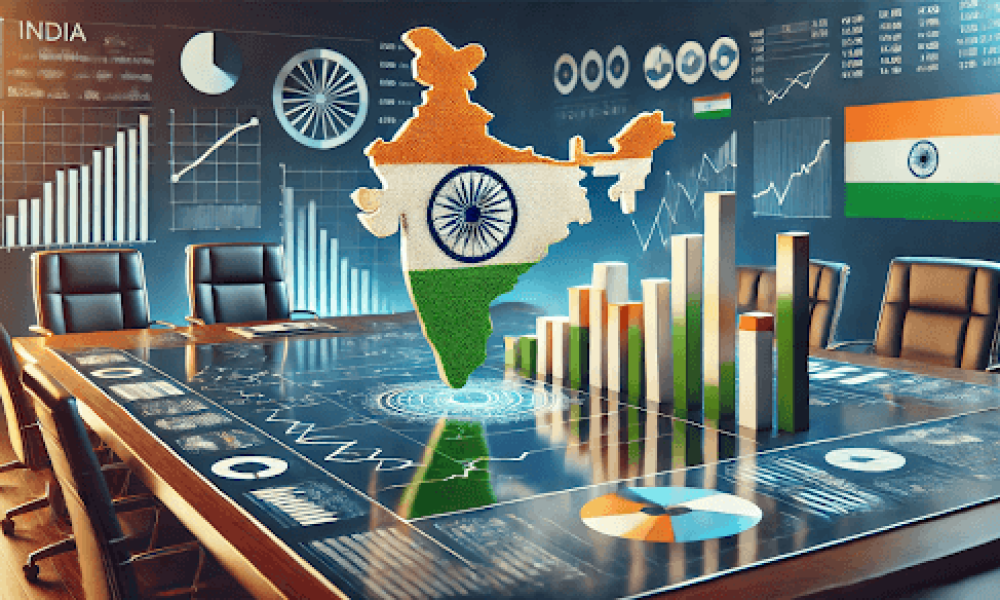
India’s vision of becoming a $10 trillion economy is garnering global attention, with economic experts highlighting the need for bold reforms to sustain its rapid growth. While the nation’s economic fundamentals remain strong, challenges such as infrastructure gaps, tax inefficiencies, and currency volatility could hinder progress without decisive action.
India’s Economic Momentum
As one of the fastest-growing economies in the world, India’s GDP is projected to expand by over 6% this fiscal year. This growth is supported by diverse sectors, including technology, manufacturing, and services. Despite global economic uncertainties, India’s domestic consumption and investment levels have been resilient, reinforcing its position as a key player in the global market.
However, this growth comes with underlying vulnerabilities. The Indian rupee has recently experienced significant depreciation against major currencies, posing challenges for import-heavy sectors like energy. While a weaker currency benefits exporters by making their products more competitive globally, it also raises import costs and risks inflationary pressures. Balancing these dynamics is critical for long-term economic stability.
Key Reform Areas
Experts stress that achieving the $10 trillion milestone requires comprehensive reforms across critical areas. Infrastructure development remains a top priority. Modernizing transport networks, energy systems, and urban infrastructure can significantly boost efficiency and productivity, attracting greater foreign and domestic investment.
Tax reforms, particularly around the Goods and Services Tax (GST), are also essential. Simplifying compliance processes, addressing discrepancies in implementation across states, and creating a more transparent system can improve ease of doing business. Such changes would enhance India’s competitiveness and draw greater interest from multinational companies.
Another crucial area is the financial sector. Improving access to credit for small and medium-sized enterprises (SMEs), tackling non-performing assets in the banking system, and encouraging investment in financial technology could create a more robust foundation for economic growth. Strengthening the financial system is especially important to ensure that businesses at all levels can contribute to the country’s development.
Sectoral Contributions to Growth
Several sectors will play a pivotal role in driving India’s economic aspirations. The technology sector continues to lead the charge, with companies specializing in software development, artificial intelligence, and digital services contributing significantly to GDP. These industries have positioned India as a global hub for innovation and technology solutions.
Manufacturing is another key pillar. With initiatives to boost domestic production and reduce reliance on imports, the sector has the potential to create millions of jobs while contributing to export growth. However, the sector must address challenges such as skill shortages and the adoption of advanced manufacturing technologies to fully realize its potential.
Agriculture, which supports a significant portion of the population, remains vital to economic stability. Modernizing farming techniques, improving irrigation infrastructure, and enhancing supply chain efficiency could increase productivity and rural incomes. Investments in agriculture would not only strengthen food security but also reduce income disparities across regions.
Currency and Trade Dynamics
Currency stability is a recurring theme in India’s economic strategy. The rupee’s recent volatility reflects both domestic and global pressures. While this has helped exporters remain competitive, it has also raised the cost of imports, particularly crude oil, which constitutes a large share of India’s import bill.
To counter these challenges, policymakers are focusing on promoting foreign direct investment (FDI) and diversifying export markets. Expanding trade partnerships and emphasizing high-value exports, such as pharmaceuticals and technology services, could mitigate the impact of external economic shocks. Strengthening trade policy to prioritize long-term stability will be key in navigating currency fluctuations.
Investment and Innovation as Catalysts
Targeted investments in education, healthcare, and technology are critical to achieving India’s economic ambitions. A well-educated and healthy workforce is essential for sustaining productivity and innovation. Increased collaboration with global research and development initiatives can further accelerate technological advancements, boosting growth in emerging sectors like green energy and biotechnology.
Encouraging entrepreneurship is another avenue for growth. By reducing regulatory barriers and providing access to capital, India can harness the potential of its youth and foster a culture of innovation. Start-ups, particularly in technology and renewable energy, have already shown remarkable promise and are expected to play a significant role in shaping the country’s economic future.
Conclusion
India’s path to becoming a $10 trillion economy is ambitious yet achievable with the right reforms and investments. Addressing challenges in infrastructure, taxation, and financial systems will lay the foundation for sustained growth. By leveraging its strengths in technology, manufacturing, and agriculture, and fostering a stable economic environment, India can position itself as a global economic leader in the coming decades.




