
In an era where sustainable living and quality of life are at the forefront of consumer concerns, laminate flooring distributed in Vietnam has become increasingly popular among homeowners and investors. This cutting-edge flooring option strikes an optimal balance between aesthetics, functionality, and comfort, adapting seamlessly to seasonal changes.
Temperature regulation: A standout feature of laminate flooring
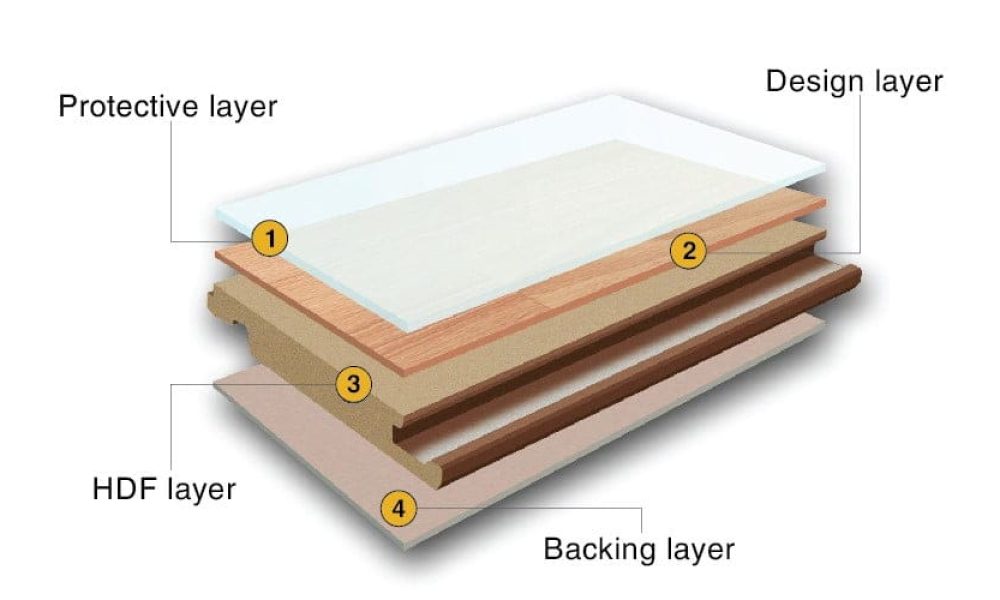
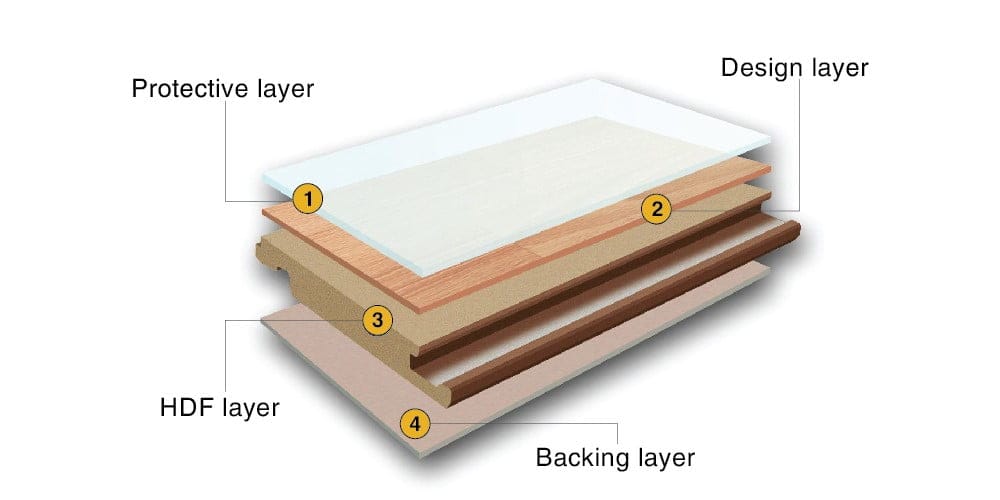
One of the most notable advantages of laminate flooring is its temperature regulation capability, which is attributed to its multi-layered structure:
- The surface protective layer conducts heat slowly, preventing cold sensations in winter and excessive heat in summer.
- An HDF wood core layer, composed of compressed wood fibers, restricts heat transfer between the floor and the surrounding environment.
- A bottom protective layer maintains moisture and temperature balance by preventing water seepage.
According to a study by the World Health Organization (WHO), heat is a significant health hazard and the comfortable indoor temperature ranges from 18 to 24°C (64 to 75°F). For homes with elderly people and young children, a minimum temperature of 20°C is recommended.
Benefits of using laminate flooring supplied in Vietnam in rear-round
Laminate flooring enhances living spaces throughout the seasons:
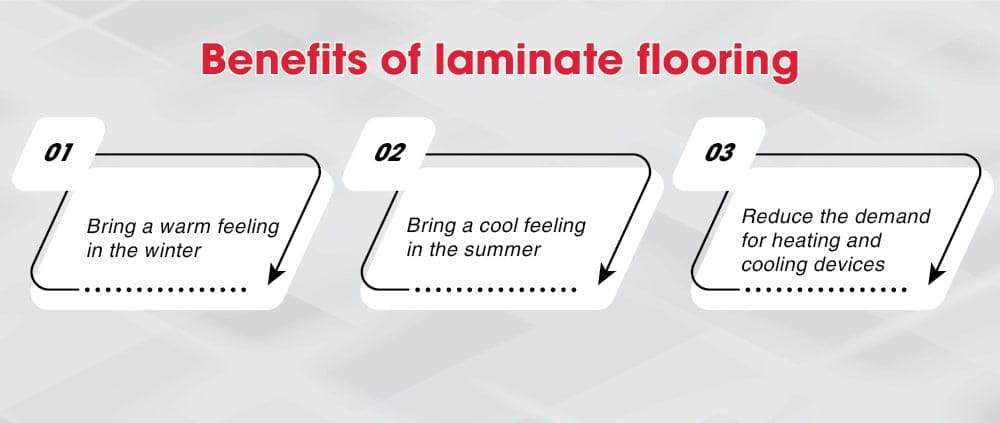
- Winter: The floor absorbs and gradually releases heat, maintaining warmth.
- Summer: Its porous structure facilitates air circulation, providing a cooling effect.
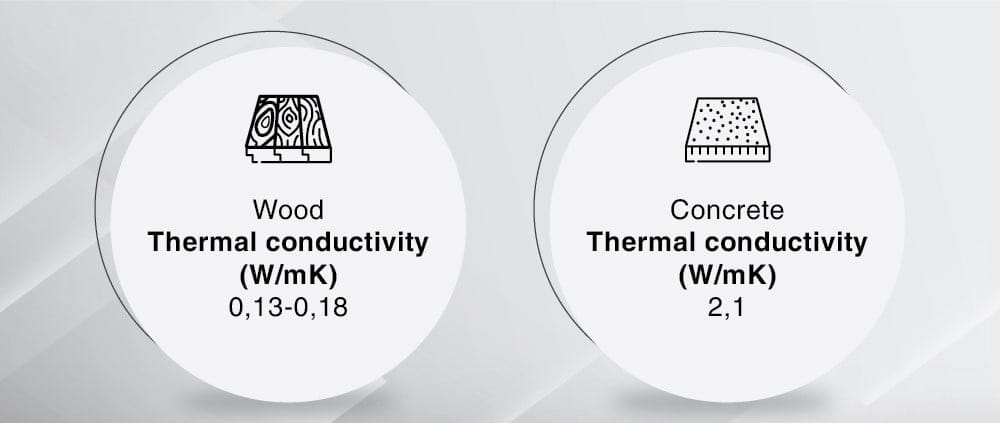
The low thermal conductivity of wood compared to materials like concrete contributes to these temperature-regulating properties.
By naturally regulating temperature, laminate flooring reduces the need for heating and cooling devices, resulting in significant energy savings. This aligns with green building standards by decreasing energy consumption and carbon emissions.
Factors influencing the ability to regulate the temperature of laminate flooring
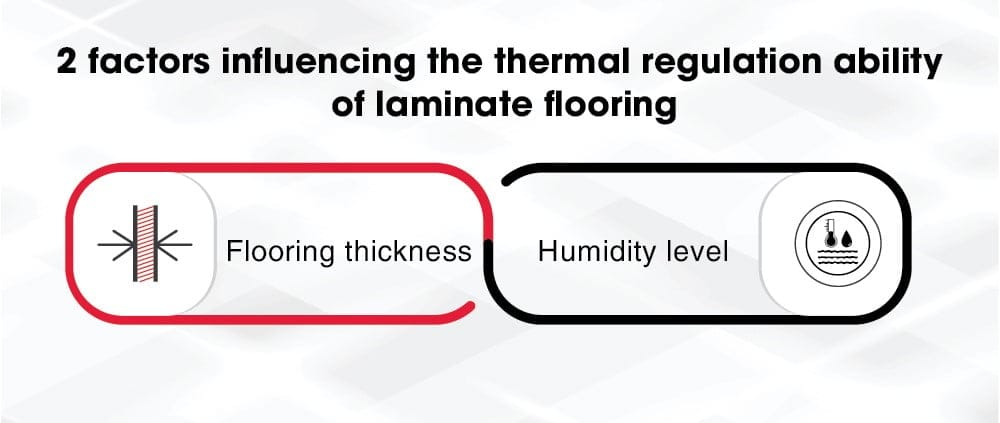
The thermal regulation ability of laminate flooring is affected by plank thickness and air humidity:
- Thicker planks offer better heat absorption and retention, ideal for winter. Thinner planks allow faster heat transfer, beneficial in summer.
- High humidity makes the air become moist, increasing the air’s heat conduction ability. Laminate flooring is a good insulator, which means it reduces heat transfer to the surrounding environment when humidity is high. This can make it harder for the flooring to release heat, leading to a rise in room temperature.
Some limitations of laminate flooring
Manufacturers have developed innovative solutions to address traditional laminate flooring’s susceptibility to water damage and termites:
- Egger Aqua laminate flooring: Utilizes Aqua+ technology, resisting water immersion for up to 1000 hours and offering permanent termite resistance.
- Robina Aqua laminate flooring: Features a tropical hardwood core and German technology, withstanding water submersion for 10 days and including a 10-year termite warranty.
Mr. Tran Quang Hoi, Director of Vietnam Kosmos Joint Stock Company, which specializes in decorative materials, shared: “Laminate flooring is a type of floor covering material influenced by temperature and humidity. During installation, allowance should be made for the floor to expand and it is crucial not to pour water directly onto the floor for cleaning.“

In conclusion, laminate flooring distributed in Vietnam offers an ideal combination of comfort, sustainability, and practicality. Its temperature regulation capabilities, coupled with advancements in water resistance and durability, make it an excellent choice for modern homes and businesses seeking both aesthetic appeal and functional benefits.
- Office: 281 Tan Son Street, Ward 15, Tan Binh Disrict, Ho Chi Minh City
- Warehouse: 9B Tan Thoi Nhat 25 Street, Quarter 5, Tan Thoi Nhat Ward, District 12, Ho Chi Minh City
- Email: [email protected]
- Phone: (+84) 932 067 388
- Tax code: 0311939064