
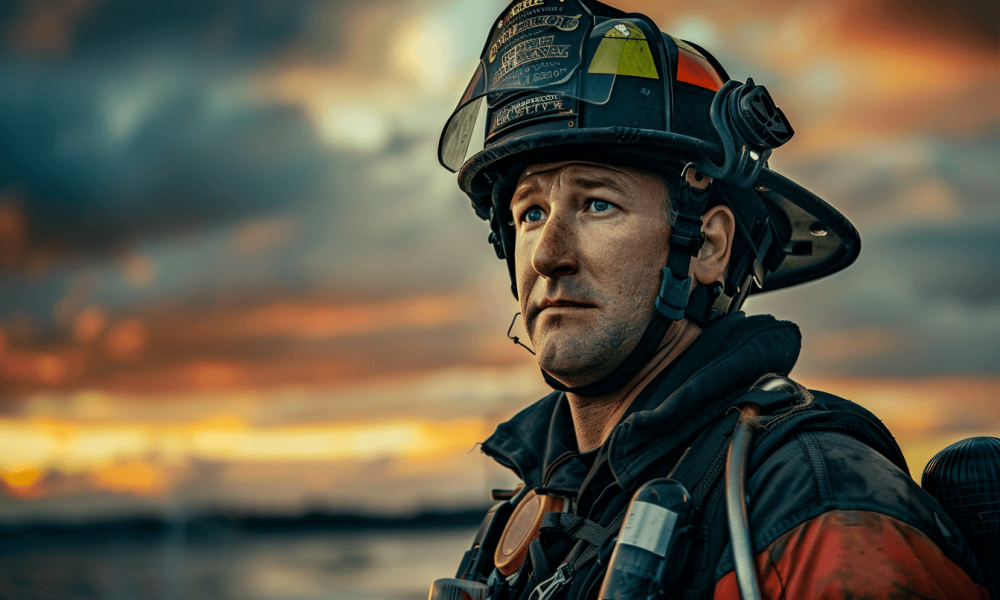
First responders spend their days moving toward dangers that most of us back away from. These folks know themselves to be tough and consider putting themselves in danger as part of their daily duty. However, the risks they face are more than physical. Protecting the mental health of first responders is key to their overall safety.
1. Individual Therapy Offers Privacy
A first responder in the throes of PTSD may resist asking for help. Attending an individual therapy session or sessions can allow them to let down the mask of toughness and free themselves from the anguish of PTSD.
Those with PTSD may not understand why these memories and experiences elicit such a terrifying response. Because PTSD can develop both from experience and from viewing a traumatic event, the mental process of returning to such a high state of fear and agitation may be hard to understand. When trying to work through it alone, PTSD sufferers may berate themselves for being weak.
Another challenge that first responders face is that they often have access to tools and firearms of tremendous power. While these tools keep them safe on the job, access to them during a PTSD flare-up can lead to tragic results. A private therapist may be able to help someone struggling with PTSD with the option to remove these tools from their environment for the present.
2. Group Therapy Offers Community
First responders need and deserve a supportive community. Entering group therapy for PTSD can help first responders note the possible signs of a trauma response, break away from triggers, learn to avoid them in the future, and avoid isolation and the suffering it encourages.
Every trauma victim can be triggered, but each traumatic experience is unique. In group therapy, survivors can share the tools they use and offer first-hand experience in breaking the pattern that leads to a sense of crisis.
These memories are not simply settled in the mind. When a PTSD sufferer goes into a trauma response, their entire body can be thrown into a state of panic and fear. A fearful person can become quite dangerous, especially if they have the strength and training to do harm to another person.
3. Isolation Can Be Fatal
PTSD sufferers can suffer from anxiety. Because a PTSD response can flare up after a simple trigger, those who struggle with it may withdraw from society. A simple shopping trip can lead to a reaction that is truly terrifying, leaving the trauma sufferer feeling both at risk and hazardous to others.
When anxiety starts to lock down their lives, PTSD sufferers can fall into despair and depression. Depression can, over time, become a fatal illness. By addressing the memories at the source of PTSD and learning new ways of coping and overcoming this terrifying re-experience, first responders with PTSD can find a new way to function healthily in their daily lives.
Support for first responders with PTSD is just as important as the gear they need to do their job. Effective, open care is key to their survival.




