
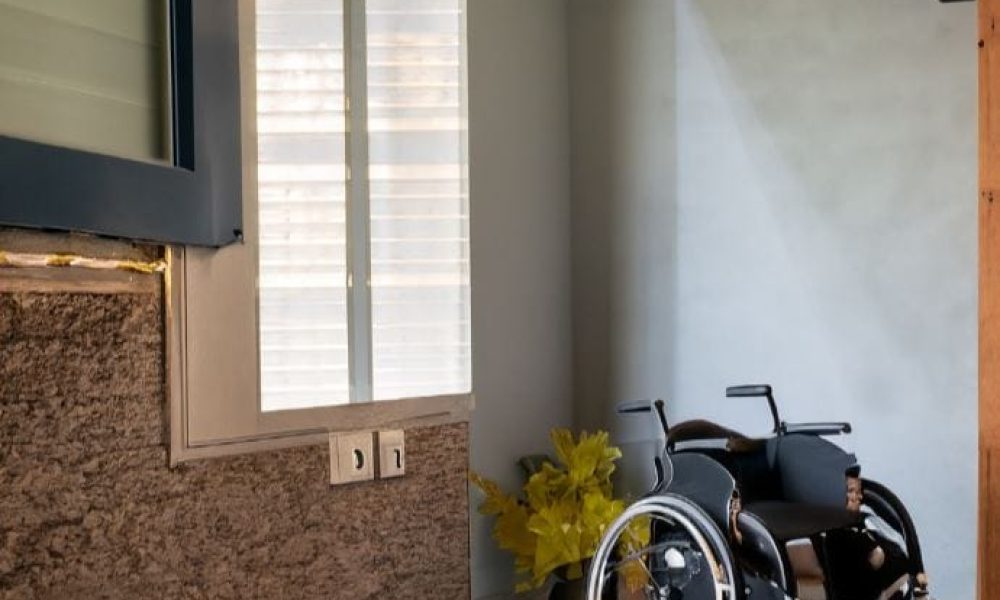
In a world that increasingly values inclusivity and diversity, ensuring that living spaces are accessible to everyone is a paramount concern. For individuals with disabilities, mobility challenges, or aging-related limitations, making simple adjustments in the home can significantly improve their quality of life. With this imperative in mind, a spotlight is cast on the three best accessibility improvements that can be made in your home, fostering a more inclusive environment and promoting independence.
1. Ramping Up Accessibility
The first key improvement that homeowners can undertake to enhance accessibility is the installation of ramps. Ramps offer a seamless way to bridge height gaps and eliminate obstacles for those using mobility devices such as wheelchairs or walkers. Whether it’s the entrance to the house, a doorway, or steps leading to different levels, ramps provide a dignified and safe passage for individuals with limited mobility.
These ramps come in various materials and designs, allowing homeowners to tailor their choices to both functional and aesthetic preferences. Portable ramps, for instance, can be temporarily placed wherever needed, while permanent ramps offer a lasting solution for consistent access. By opting for ramp installations, homeowners are proactively creating an environment that accommodates everyone’s needs.
2. Doorway Transformations
Home accessibility extends beyond just the exterior. Doorways play a crucial role in providing easy entry and exit within the home. Widening doorways is an effective modification to make spaces more accessible. A standard doorway width can often pose challenges for individuals using wheelchairs or mobility aids. By widening doorways, these obstacles are mitigated, allowing for smoother movement throughout the house.
Furthermore, the installation of swing-clear hinges can greatly enhance accessibility. These hinges enable doors to swing completely clear of the doorway when opened, providing a wider clearance space. Lever-style door handles, as opposed to traditional knobs, offer ease of use for individuals with limited hand dexterity. These subtle yet impactful changes can substantially enhance the overall accessibility and functionality of a home.
3. Bathroom Overhauls for Accessibility
Bathrooms are among the most crucial spaces in a home when it comes to accessibility. Many accidents and challenges occur due to the slippery nature of bathroom floors and the awkward heights of fixtures. Installing grab bars strategically around the bathroom can provide essential support for individuals as they maneuver around. These bars can be positioned near the toilet, shower, and bathtub, offering stability and reducing the risk of falls.
A barrier-free shower, also known as a walk-in shower, is another critical improvement that enhances bathroom accessibility. These showers eliminate the need to step over a ledge, making entry and exit effortless. Additionally, opting for non-slip flooring materials can prevent accidents and create a safer environment.
Creating an Inclusive Living Space
Incorporating these accessibility improvements into a home is a testament to the commitment of creating an inclusive living space. These changes not only benefit individuals with disabilities or limited mobility but also offer convenience to all occupants. Accessibility upgrades increase the resale value of a home, making them investments that yield both immediate and long-term benefits.
In a world where inclusion is paramount, the responsibility of creating an accessible living environment falls upon homeowners and the broader community. The evolution towards a more inclusive society begins within our homes. By embracing these three top accessibility improvements, individuals are taking proactive steps towards making a positive impact on the lives of those around them.
In conclusion, the journey towards an inclusive society starts with individual efforts, and the home is an ideal place to begin. By adopting the key accessibility improvements mentioned above, homeowners can ensure that their living spaces are welcoming, safe, and accommodating for everyone.




