
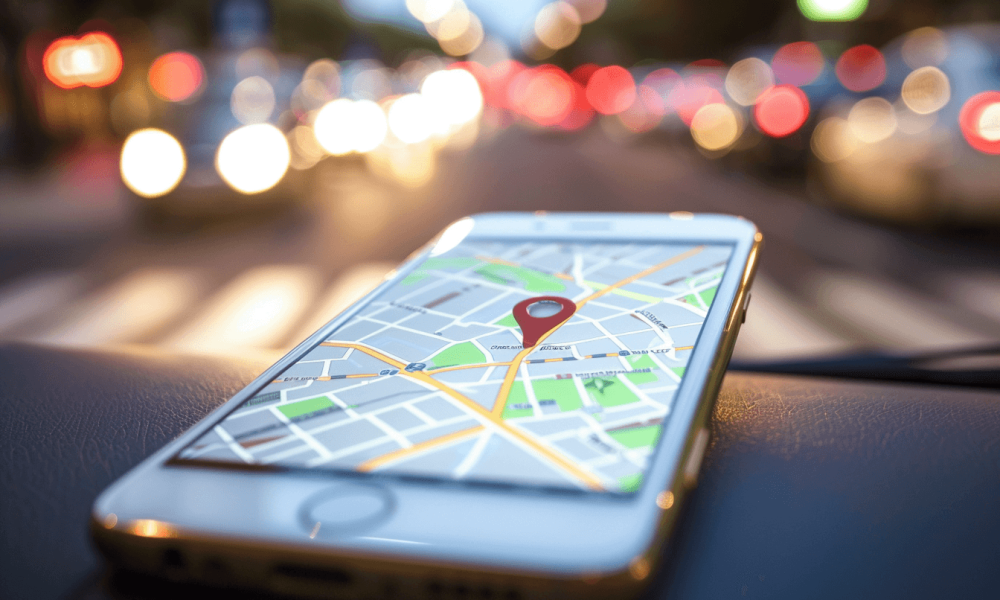
With car theft on the rise, you might be wondering how to keep your vehicle secure.
GPS tracking is revolutionizing car security by offering advanced features that are both reliable and user-friendly.
From real-time location monitoring to instant alerts on your smartphone, these systems have made it easier than ever to protect your investment.
Imagine knowing exactly where your car is at all times, whether it’s parked outside your home or halfway across the country.
GPS tracking not only helps you recover your vehicle quickly in case of theft but also allows for better management of its usage.
This technology gives you peace of mind while enhancing the security of your car.
Additionally, many GPS tracking systems come with extra features like geofencing and maintenance reminders.
Geofencing lets you set virtual boundaries, alerting you if your car leaves a designated area.
These innovations in GPS tracking are transforming the ways you can safeguard your vehicle, making it smarter and more secure than ever.
The Basics of GPS Tracking for Vehicle Security
GPS tracking can significantly improve car security by allowing real-time monitoring and location tracking. This helps in quick recovery of stolen vehicles and monitoring vehicle health.
Understanding GPS Technology
The Global Positioning System (GPS) is a satellite-based navigation system. It uses a network of satellites to provide location data.
Your GP Tracker communicates with these satellites to pinpoint the exact location of your car. This technology is reliable and precise.
GPS technology also offers real-time tracking. This means that you can monitor the movements of your car at any time.
Using a vehicle tracking system, you can access this data via apps or web platforms, giving you peace of mind.
How GPS Trackers Enhance Vehicle Security
GPS trackers provide several security benefits. For one, they help in the quick recovery of stolen vehicles.
If your car gets stolen, the tracker sends its real-time location to you and law enforcement, making recovery faster.
Another advantage is vehicle health monitoring. Many GPS tracking systems offer features that monitor your car’s health.
This includes alerts for maintenance issues or performance parameters. This proactive approach can prevent breakdowns and costly repairs.
Additionally, some GPS trackers come with geofencing. You can set predefined areas, and if your car leaves these zones, you receive instant alerts. PAJ Trackers for Cars have this and more features in their tracking devices.
This adds another layer of security to your vehicle.
The Advantages of Real-Time Monitoring and Alerts
Using real-time monitoring and instant alerts, you can dramatically enhance car security. These tools offer quick responses to issues, proactive tracking, and advanced AI software to predict potential threats.
Real-Time Location Data for Immediate Response
With real-time location data, you can know exactly where your vehicle is at any moment.
This is highly beneficial if your car gets stolen or if you need to track a family member’s drive.
Having immediate access to location data allows for rapid response, whether by contacting authorities or navigating to your car’s location.
This capability is not just useful during theft but can also help in emergencies, like when someone is stranded.
Real-time monitoring ensures that any change in your vehicle’s status is detected instantly.
This level of tracking reassures you that your vehicle is always under a watchful eye, providing peace of mind and better control over your car’s security.
Instant Alerts and Notifications
Instant alerts and notifications enable you to act immediately when something goes wrong.
Whether through email, SMS, or app notifications, you are quickly informed of unusual activities like unauthorized entry or unexpected movements.
These alerts can be customized to your preferences, allowing you to receive notifications for specific events.
For instance, if your car moves beyond a designated area, you’ll get an alert right away.
Such immediacy in communication ensures you don’t miss critical updates, allowing for faster, more informed decisions.
Plus, the ability to choose how you receive these alerts means you can stay connected in the way that suits you best.
The Role of Artificial Intelligence in Tracking
AI has significantly improved GPS tracking by making it smarter and more efficient.
Predictive analytics can forecast potential security threats based on patterns and behavior, offering preemptive alerts.
AI-enhanced systems can learn from your car’s regular routes and routines.
This learning capability helps in detecting anomalies that human eyes might miss, reducing false positives and increasing accurate threat detection.
Additionally, AI can optimize the tracking data, providing more accurate and detailed information.
This makes the entire system more reliable, giving you a powerful tool to safeguard your vehicle.
Advanced Features and Their Impact on Security
Advanced features are changing the way you protect your car, making traditional methods seem outdated. Key components include Geofencing and Virtual Boundaries, as well as Remote Immobilization and Anti-Theft Measures.
Geofencing and Virtual Boundaries
Geofencing lets you set virtual boundaries around specific areas.
Imagine creating a digital fence around your home or workplace. Whenever your vehicle leaves or enters these zones, you’ll receive real-time alerts on your phone.
This feature can help you quickly notice unauthorized use of your car.
For parents, it keeps tabs on where your kids take the car. Businesses use geofencing to manage fleet vehicles, ensuring they stay within designated areas.
Geofencing isn’t just about knowing where your car is. It’s about controlling where it goes. If someone moves your car without permission, you’ll know instantly.
Remote Immobilization and Anti-Theft Measures
Remote Immobilization gives you the power to stop your car from moving.
If your car is stolen, you can disable its engine remotely, preventing the thief from driving it any further.
Many systems even allow you to track your car in real-time while this happens.
This gives law enforcement a better chance to catch the thieves and recover your vehicle quickly.
Anti-theft measures now include real-time tracking that helps you monitor your car’s location continually.
You can see where your car is at all times, reducing the stress of not knowing.
Practical Considerations for Vehicle Owners and Fleet Managers
When choosing GPS tracking for vehicles, it’s important to think about installation, ongoing costs, and the impact on privacy and legality. Each of these areas has specific factors that can influence your decision.
Ease of Installation and Use
GPS trackers come in different forms: hardwired, plug-and-play, and portable units.
- Hardwired trackers: These require professional installation, connecting to the vehicle’s power supply. They’re reliable but usually more expensive.
- Plug-and-play trackers: Typically, these plug into the OBD-II port, found in most vehicles. They’re straightforward and quick to set up without professional help.
- Portable units: Running on batteries, these are easy to move between vehicles but need regular recharging.
Most modern systems come with user-friendly apps or websites for tracking and reporting.
Maintenance and Subscription Concerns
Maintaining GPS trackers involves hardware upkeep and software subscriptions.
- Hardware upkeep: Hardwired trackers might need periodic checks to ensure connections are intact.
- Batteries: Portable units require regular battery replacements or recharging, impacting long-term use.
- Subscription fees: These can range widely based on features. Basic plans might cover location tracking, while advanced options include real-time alerts, historical data, and geofencing.
Budget planning should include these ongoing costs to avoid unexpected expenses.
Privacy and Legal Implications
Using GPS tracking raises several privacy and legal concerns.
- Employee consent: Fleet managers must inform employees about tracking and get their consent. This avoids privacy violations and builds trust.
- Data handling: Securely storing location data helps prevent unauthorized access. Use systems with encryption and strong data protection measures.
- Legal requirements: Different regions have varying laws about vehicle tracking. Ensure compliance with local regulations to avoid penalties.




