
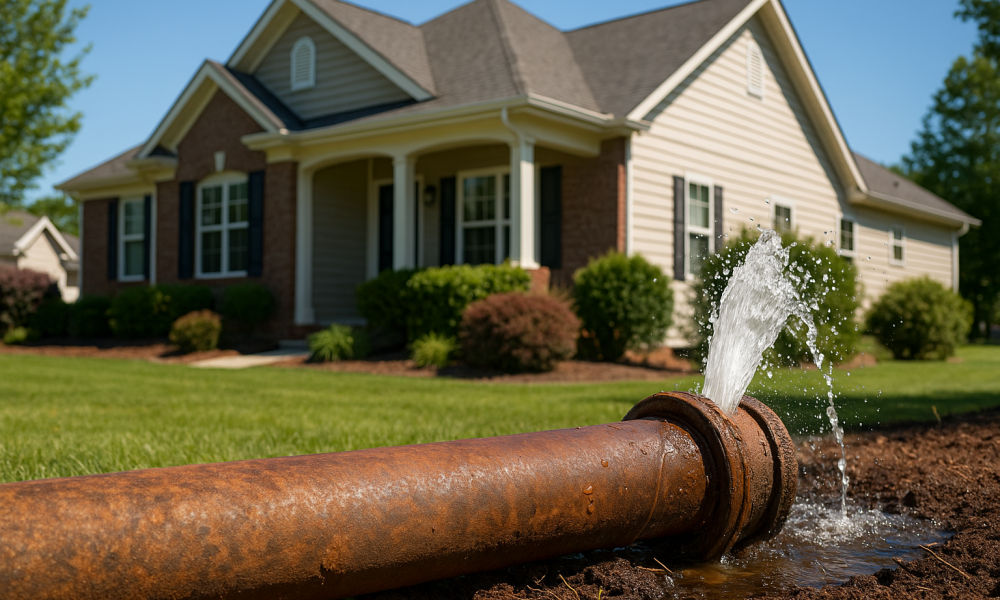
When most people think of burst pipes, they think of winter. That’s because when water freezes, it expands, and when it expands, it can crack vulnerable pipes. However, plumbing pipes can also burst in the summer. This is why it pays a homeowner not to neglect their plumbing even during the hot weather. There are a surprising number of reasons that pipes burst during the summer. Here are fice of them.
1. The Pipe Is Clogged With Roots
One reason that builders warn homeowners against planting trees near their sewer line is that roots can infiltrate it. Some trees, such as weeping willows, are especially hydrophilic. If there is even a tiny opening in a pipe’s joint, they’ll send in feeder roots to draw nutrients from the wastewater. As with the rest of the tree, roots grow quickly during warm weather. If these roots aren’t cleaned out, they can grow to the point where they not only clog the pipe but also cause it to burst. If that happens, the pipe will need to be replaced at no little expense.
To avoid this, a homeowner who has trees growing near their main drain should hire a plumber to check the pipes to make sure they are clear. This can be done via a video camera. If the plumber discovers roots in the pipe, they can be rooted out before they crack it.
2. Summer Socializing and Other Activities
During the summer, people socialize more in and around their homes. They throw summer parties and entertain houseguests. They also go out to places where they’re liable to get dirty, such as sports events or the beach. When members of the household return, they hop into the shower or bath. All of this means that the drain pipes are used more often than they are during any other season, save, perhaps, the winter holidays. If the pipes already have a problem when it comes to clogs, the waste put down the pipes can make them worse. Sometimes, the clogs can grow to the point where they cut off the flow of water. Eventually, the pipes can burst, not only along the sewer line but in other waste pipes throughout the house.
Prevention tip: If your drains are already acting up, don’t wait. Have them cleaned before hosting houseguests or throwing big gatherings.
3. Drought and Heat
Interestingly, drought can also cause underground pipes to crack. There are places in the country that receive very little rainfall during the summer, though in other places, summer is basically the rainy season. When there’s a lack of rain, the dry soil can cause underground pipes to shift. Sometimes this causes them to come apart at the joints, and sometimes pipes that were already older and more friable simply crack. The good news about this problem is that it can be avoided by regularly watering the lawn or even setting up a slip and slide in the area. As winter causes the pipes to shrink and the water in them to expand, the heat of summer can cause pipes to expand, sometimes to the point where they crack. A drought makes this situation worse.
Prevention tip: Keep your soil consistently moist near the foundation and where your main water line runs. Watering your lawn or even running a sprinkler occasionally can reduce soil shifting.
4. Construction or Landscaping Damage
Summer is prime time for home improvement and yard work. Whether it’s trenching for irrigation, building a new patio, or installing a fence, digging without verifying pipe locations is a leading cause of accidental pipe damage.
Hitting a pipe directly can rupture it immediately, but even minor, unnoticed scrapes may weaken it enough to fail weeks later — especially under pressure.
Prevention tip: Always call 811 or use your local utility marking service before digging. Know where your water and sewer lines run before starting any outdoor project.
5. Thermal Expansion in Older Pipes
Modern plumbing systems are built to handle some expansion and contraction. But in older homes with metal pipes — especially copper or galvanized steel — repeated cycles of expansion from hot water and ambient heat can stress pipe joints and soldering over time.
This is especially true in attics, crawlspaces, or areas without good ventilation. In extreme cases, thermal expansion can cause pipes to crack or joints to fail entirely.
Prevention tip: If your home has aging metal pipes, consider having a plumber inspect them — especially in unconditioned spaces — and explore the benefits of modern expansion tanks or pressure-regulating valves.
Final Thoughts
It’s easy to assume pipe bursts are a winter-only problem, but as we’ve seen, summer brings its own set of risks — from root growth and drought to increased usage and accidental damage.
Being proactive with inspections, repairs, and smart usage can prevent expensive plumbing failures. If something feels off — like slow drains, damp patches in the yard, or unexpected water bills — it’s worth getting it checked out before it turns into a burst pipe surprise.




