
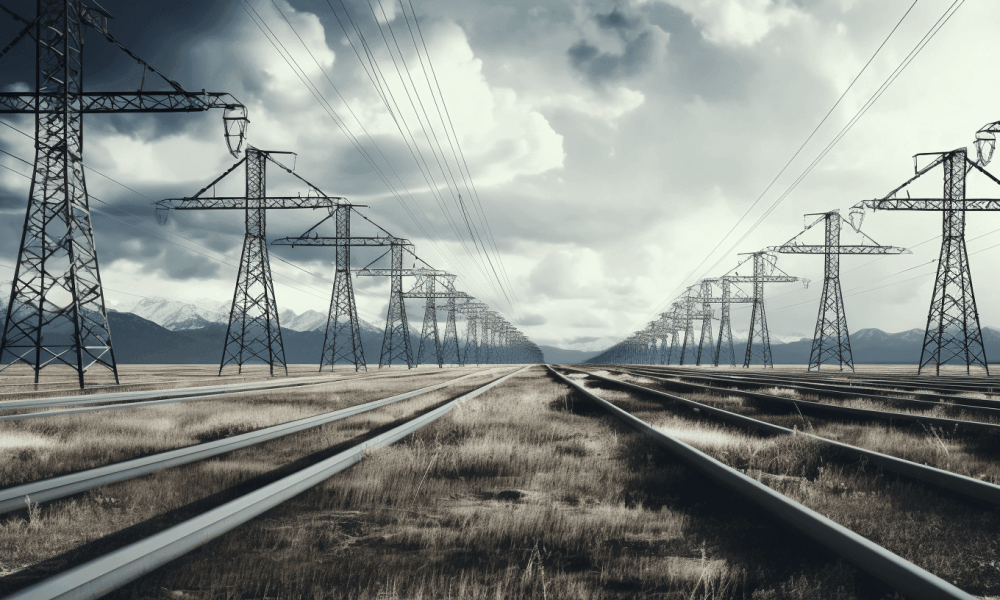
Power poles are an iconic part of many urban and suburban landscapes, carrying vital power across the grid. There are two traditional choices for the pole’s construction: traditional timber and more modern steel. While timber has some niche uses in specialty situations these days, steel has proven itself as the more practical choice for most grids for many reasons.
1. Cheaper to Install and Maintain
Steel power poles are significantly cheaper to purchase, install, and repair than their timber cousins. While the initial purchase price will only be a bit less, most of the savings come in ease of transport and installation: steel poles are hollow, making them weigh far less than solid timber. This hollowness also allows cables to run inside the pole, protecting cables from damage. Every steel power pole is also functionally identical, whereas a wooden pole could have knots, splits, and bows that are difficult to detect until electricians have to deal with them out in the field duration installation, extending the job and costing more labor.
This easier maintenance often extends to the pole itself. Timber cannot be installed anywhere with lots of moisture, even too near groundwater, else they can stay waterlogged and rot. Wooden poles also can be damaged by termites, woodpeckers, and other wildlife, and frequently have to be treated to help repel them. Steel doesn’t warp slightly over time, requiring hardware checks to maintain tightness.
2. A More Modern Look
Timber poles can stick out as rustic in neighborhoods and cities that are aiming for a more modern look. The steel itself already contributes to the desired aesthetic, but they can also be painted more easily and with a wider range of colors than timber poles, allowing them to be adjusted for a particular look or even changed periodically for holidays or special events.
3. Safety
Other than harsh weather, the other major risk to most electrical poles is being hit by a vehicle. A timber pole will often snap and break, taking the power lines with it. This can result in a sweeping outage that takes tremendous time and expense to repair and poses a major risk to anyone nearby. Steel power poles, however, bend rather than break when subjected to such strong forces. While this would still need repairing, the power lines the pole carries are more likely to stay up and away from the ground.
4. Environmentally Friendly
Environmental impact is on the radar of every company these days, and steel power poles have a substantially lower impact than wood. Every timber pole has to come from a suitably large tree, often one growing for 40 years or more. The metal used in steel power poles is constantly recycled and reused as poles reach their end of life and are replaced. The poles are also non-toxic and don’t have to be treated with the same chemicals wooden poles are to resist water and repel insects and termites.
Steel power poles offer numerous advantages to a power grid, and they should be heavily considered by local city leaders and utility companies.




