
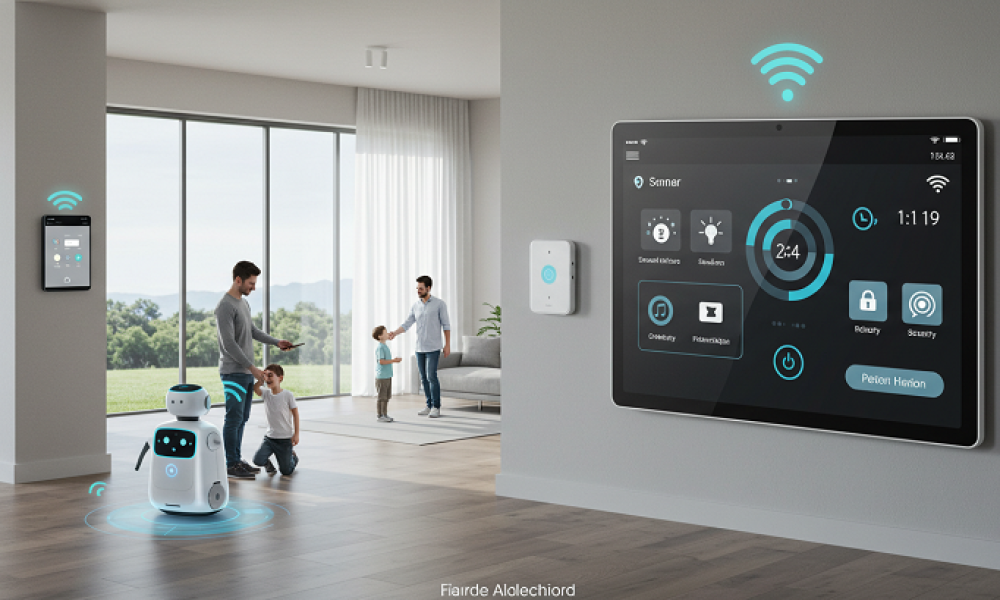
Technology is constantly reshaping the way we live, and one of the most impactful areas of innovation today is smart home automation. From voice-controlled assistants to self-regulating thermostats, homeowners now have access to gadgets that bring comfort, convenience, and efficiency to everyday living.
These devices don’t just add a futuristic touch to your home; they also simplify daily routines and help you manage resources more effectively. Resources like circuitdairy.com provide valuable insights into emerging gadgets and DIY projects that help you make the most of modern innovations.
In this article, we’ll explore some of the most popular smart home gadgets that are making life easier and why they’re quickly becoming household essentials.
Voice Assistants: The Command Centers of Modern Homes
Voice assistants like Amazon Alexa, Google Assistant, and Apple’s Siri are at the heart of smart home automation. They allow users to control multiple devices simply by speaking. Want to dim the lights, lock the doors, or play your favorite playlist? A simple voice command can handle it.
Beyond convenience, voice assistants serve as hubs that connect different smart gadgets, making them work in unison. For example, you can set up routines so that when you say “Good morning,” the lights turn on, the coffee maker starts brewing, and your favorite news podcast begins to play.
Smart Lighting: Control at Your Fingertips
Lighting is one of the easiest areas to automate in a home. Smart bulbs and lighting systems let you adjust brightness, change colors, or create schedules—all from a smartphone app or through voice commands.
These systems can also help with energy savings. For example, motion-sensor lights turn off automatically when no one is in the room. Some advanced bulbs even mimic natural daylight patterns to improve sleep cycles and overall mood.
Smart Thermostats: Energy Efficiency Meets Comfort
Heating and cooling consume a large portion of household energy. Smart thermostats like Nest or Ecobee adapt to your lifestyle and automatically regulate indoor temperatures. Over time, they learn your preferences—such as when you’re home, at work, or asleep—and adjust settings accordingly.
This automation not only makes your home more comfortable but can also significantly reduce energy bills. Many models come with mobile apps, so you can adjust your thermostat remotely, ensuring you return to a perfectly heated or cooled home.
Smart Security Systems: Peace of Mind Anytime, Anywhere
Home security has come a long way with automation. Smart locks, cameras, and doorbell systems give homeowners control and visibility even when they’re away. For instance, smart doorbells with built-in cameras allow you to see and talk to visitors through your smartphone.
Smart locks, on the other hand, eliminate the need for traditional keys. You can lock or unlock your doors remotely, grant temporary access to guests, or even receive alerts if someone attempts unauthorized entry. Combined with surveillance systems, these tools enhance both security and convenience.
Automated Appliances: Making Chores Effortless
Household chores can often feel endless, but automation is changing that. Robotic vacuum cleaners like Roomba map out your space and clean without supervision. Smart washing machines let you schedule laundry cycles from your phone, while connected refrigerators can track expiry dates or even suggest recipes based on available ingredients.
These devices don’t just save time; they optimize tasks so you can focus on more meaningful activities. The convenience of having machines handle repetitive chores is one of the strongest arguments for smart home adoption.
Smart Plugs and Power Strips: Affordable Automation
For those just starting with home automation, smart plugs are an inexpensive entry point. These devices plug into standard outlets and allow you to control whatever appliance is connected. You can turn devices on or off remotely, schedule power cycles, or monitor energy usage.
Smart power strips extend this functionality, making it easier to manage multiple gadgets simultaneously. They’re especially handy for managing entertainment systems, office setups, or kitchen appliances.
Smart Home Hubs: Creating a Connected Ecosystem
While many smart devices can work independently, a smart home hub brings them all together. Gadgets like Samsung SmartThings or Apple HomeKit ensure that devices from different brands can communicate seamlessly.
A well-integrated system lets you create powerful automations. For example, when your smart lock detects you’ve arrived home, it could trigger the lights to turn on, the thermostat to adjust, and the coffee machine to start—all automatically.
Future of Smart Home Automation
The next wave of automation will likely involve greater use of artificial intelligence and machine learning. Homes will become more predictive, anticipating needs rather than simply responding to commands. Imagine a system that adjusts lighting and music based on your mood, or appliances that order supplies automatically when they’re running low.
Integration with sustainable technology is also expected to grow. Smart energy meters, solar-powered systems, and water-saving gadgets are already available, helping households reduce their environmental footprint while enjoying modern comforts.
Final Thoughts
Smart home automation is no longer just about luxury—it’s about simplifying life, saving time, and making better use of resources. With gadgets ranging from intelligent lights to security systems, homeowners can create a personalized ecosystem tailored to their needs.
As technology advances, staying informed becomes essential. Whether you’re a beginner experimenting with a few smart plugs or someone looking to fully automate your living space, the opportunities are endless.