
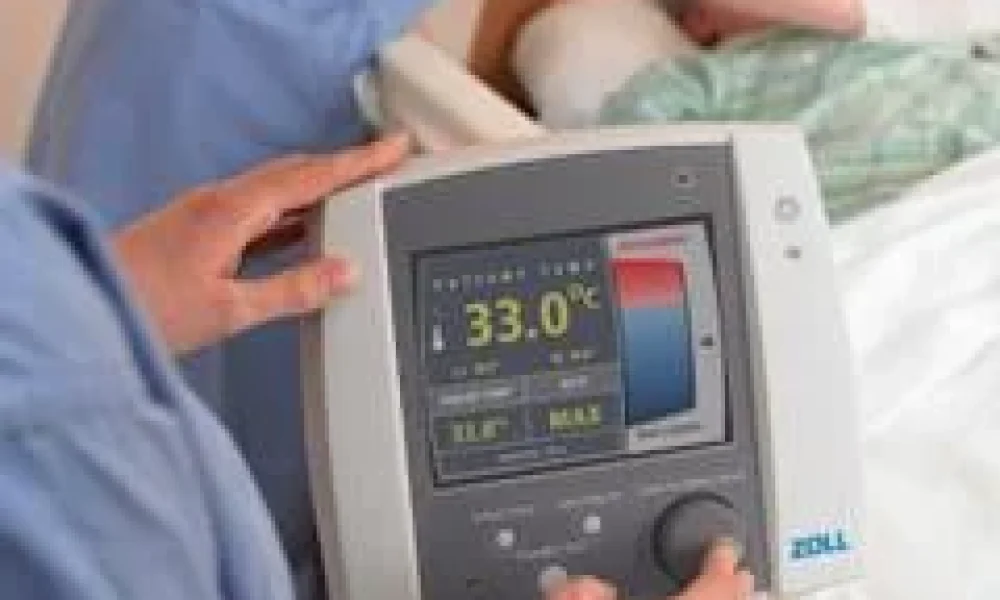
The global therapeutic hypothermia systems market has been experiencing significant growth, driven by advancements in medical technology and the rising prevalence of conditions that benefit from temperature management therapies. Therapeutic hypothermia (TH) involves cooling a patient’s body temperature to a specific range to mitigate neurological damage after events such as cardiac arrest, stroke, or traumatic brain injury. This process, also known as targeted temperature management (TTM), aims to reduce mortality rates, promote better neurological recovery, and minimize tissue damage.
The market for therapeutic hypothermia systems is expected to grow at a compound annual growth rate (CAGR) of 5.7% from 2025 to 2032, with an anticipated market value of US$ 482.43 million by 2032, up from US$ 326.41 million in 2025. The primary growth drivers include the increasing incidence of cardiovascular diseases such as myocardial infarction (MI) and cardiac arrest, a growing number of surgical procedures, and the expanding use of minimally invasive cooling techniques. Cooling devices such as surface blankets, cooling pads, and endovascular cooling systems are gaining traction due to their affordability, ease of use, and effectiveness in clinical settings. These systems are particularly beneficial for patients with neurological conditions, neonatal hypoxic-ischemic encephalopathy (HIE), and those undergoing major surgeries.
Download Your Free Sample & Explore Key Insights: https://www.persistencemarketresearch.com/samples/35502
Key Highlights from the Report:
• The cooling devices segment is expected to dominate, with approximately 60% of the market share in 2025.
• Neurology will be the leading therapeutic segment, contributing to 45% of the market in 2025.
• The cardiology segment is poised to be the fastest-growing due to a rise in cardiac arrest cases.
• North America is forecasted to hold a significant market share, approximately 45%, in 2025.
• The increasing adoption of non-invasive cooling devices is a significant growth driver.
• The Asia Pacific region, particularly China and India, is expected to see rapid market growth due to rising healthcare investments.
Market Segmentation
The therapeutic hypothermia systems market can be broadly segmented based on product type, end-users, and regional factors, each contributing distinctively to the market’s dynamics.
By Product Type:
The market is primarily segmented into cooling devices, cooling catheters, and other advanced cooling systems. Cooling devices, including surface blankets, pads, cooling head caps, and gel-based systems, hold a dominant share of the market, owing to their ease of use, affordability, and non-invasive nature. These devices are ideal for clinical settings such as emergency rooms, intensive care units (ICUs), and surgical environments. Cooling catheters, on the other hand, are expected to be the fastest-growing segment, particularly in critical care. These invasive devices circulate cooled fluids to regulate the body’s core temperature and are particularly beneficial for patients with severe neurological or cardiovascular conditions.
By Indication:
The neurology segment is projected to dominate the therapeutic hypothermia systems market, driven by the increasing incidence of neurological disorders such as ischemic stroke, traumatic brain injury, and neonatal hypoxic-ischemic encephalopathy (HIE). Advances in clinical trials and studies have demonstrated the efficacy of therapeutic hypothermia in improving neurological outcomes, making it a crucial intervention in neuroprotective care. Meanwhile, the cardiology segment is expected to grow rapidly, fueled by the high number of cardiac arrest cases globally. The integration of TH in emergency care protocols for cardiac arrest patients has significantly improved survival and neurological recovery rates.
By End-User:
Hospitals and specialized care facilities represent the largest share of the therapeutic hypothermia systems market, as these settings have the required infrastructure, skilled personnel, and the ability to adopt advanced technologies. The increasing number of hospitals incorporating TH into their protocols, particularly for stroke, cardiac arrest, and neonatal care, will continue to drive market growth.
Regional Insights
North America:
North America is expected to dominate the therapeutic hypothermia systems market, accounting for an estimated 45% share in 2025. The region’s leadership is attributed to a high prevalence of cardiovascular and neurological disorders, such as stroke and cardiac arrest. The U.S., in particular, sees over 795,000 cases of stroke annually, contributing to a growing demand for therapeutic hypothermia interventions. The region also boasts advanced healthcare infrastructure, extensive research funding, and widespread adoption of innovative cooling technologies. North American hospitals increasingly prefer non-invasive cooling devices, such as surface cooling blankets and pads, which have contributed to a larger market share for this segment.
Asia Pacific:
Asia Pacific is expected to experience rapid growth in the therapeutic hypothermia systems market, driven by the rising prevalence of cardiovascular diseases, neurological disorders, and the growing aging population. Countries like China and India are witnessing a surge in healthcare spending and investments in medical infrastructure, leading to the adoption of advanced therapies such as therapeutic hypothermia. India’s development of low-cost servo-controlled cooling devices and China’s expanding tertiary care network are anticipated to further boost the market in this region. Cooling devices integrated with artificial intelligence (AI) are also gaining traction, improving the accuracy and effectiveness of treatments.
Europe:
In Europe, the therapeutic hypothermia systems market is expected to grow at a steady pace, with Germany leading the region. European healthcare systems are increasingly adopting therapeutic hypothermia, particularly for post-cardiac arrest care and stroke treatment. Countries like the U.K. have made significant strides by recommending therapeutic hypothermia for adults who have experienced out-of-hospital cardiac arrest. The integration of AI and machine learning into therapeutic hypothermia devices is expected to further improve patient outcomes, driving demand for these technologies across the continent.
Get Custom Insights Designed for Your Business: https://www.persistencemarketresearch.com/request-customization/35502
Market Drivers
One of the key drivers of the therapeutic hypothermia systems market is the increasing number of surgical procedures performed globally. Over 310 million surgeries are performed annually worldwide, with a significant number requiring temperature management during and after the procedure. The use of therapeutic hypothermia has become critical in preventing complications associated with hypothermia, such as bleeding, infection, and prolonged recovery. Additionally, the adoption of non-invasive cooling methods, such as surface cooling blankets and head caps, is enhancing patient comfort while ensuring precise temperature regulation, leading to faster recovery and reduced hospital stays.
AI-driven hypothermia systems, which integrate real-time temperature monitoring, vital signs, and electroencephalogram (EEG) data, are also boosting market growth. These systems offer personalized cooling algorithms, enabling clinicians to adjust the treatment to individual patient needs. Such innovations are making hypothermia therapies more effective and accessible, contributing to the overall growth of the market.
Market Restraints
Despite its growing application, the therapeutic hypothermia systems market faces several challenges. One of the primary restraints is the potential side effects associated with hypothermia treatments. These side effects include electrolyte imbalances, shivering, rewarming injury, and increased susceptibility to infections. Patients undergoing therapeutic hypothermia are also at risk for cardiovascular complications, such as arrhythmias and bradycardia, and metabolic issues like insulin resistance.
Moreover, the high cost of implementing therapeutic hypothermia systems, particularly in low-resource settings, presents a significant barrier. Specialized equipment, such as servo-controlled cooling systems, requires significant capital investment and ongoing maintenance, which may be prohibitive for hospitals with limited budgets. The need for trained personnel to administer and monitor hypothermia protocols also increases operational costs.
Market Opportunities
Emerging economies present substantial opportunities for the therapeutic hypothermia systems market. With rising healthcare investments, improving infrastructure, and increasing healthcare access, countries in regions such as Southeast Asia, Africa, and Latin America are becoming key markets for affordable cooling devices. Additionally, the growing incidence of neonatal hypoxic-ischemic encephalopathy (HIE) in these regions presents a significant opportunity for the adoption of low-cost cooling devices, which can be life-saving for neonates in critical care settings.
In particular, the Global South Alliance has been working to provide low-cost cooling systems, educational programs, and research initiatives aimed at enhancing the capacity for therapeutic hypothermia in low-resource settings. The development of affordable, non-invasive devices such as cooling pads and simplified servo-controlled systems is helping bridge the gap in resource-limited countries, enabling more widespread access to these essential therapies.
Checkout Now & Download Complete Market Report: https://www.persistencemarketresearch.com/checkout/35502
Company Insights
Key players operating in the therapeutic hypothermia systems market include:
• Asahi Kasei Corporation
• Audax Management Company, LLC
• Becton, Dickinson and Company
• EM-MED Sp. z o.o. Sp. K.
• Gentherm Incorporated
• International Biomedical Ltd.
• Phoenix Medical Systems Pvt. Ltd.
• Shenzhen Comen Medical Instruments Co., Ltd.
• Stryker Corporation
• Terumo Corporation
Recent Developments:
May 2025: TEQCool AB introduced its patented non-invasive intranasal brain cooling system, expanding its application beyond conventional therapeutic hypothermia and targeting the global market for brain metabolism reduction.
January 2024: SourceMark partnered with Gentherm Medical to become the master supplier of certain Gentherm product lines in the U.S., including the Gelli-Roll, a reusable cooling and warming gel pad.
Conclusion
The therapeutic hypothermia systems market is poised for substantial growth due to the increasing prevalence of cardiovascular and neurological conditions, the rising number of surgical procedures, and advancements in medical technology. The market is being shaped by the development of both non-invasive and invasive cooling devices that provide precise temperature management in clinical settings. With regional growth in North America, Asia Pacific, and Europe, the market is expected to witness continued expansion, particularly as emerging countries adopt more affordable cooling technologies to address the growing incidence of neonatal HIE and other critical conditions.




