
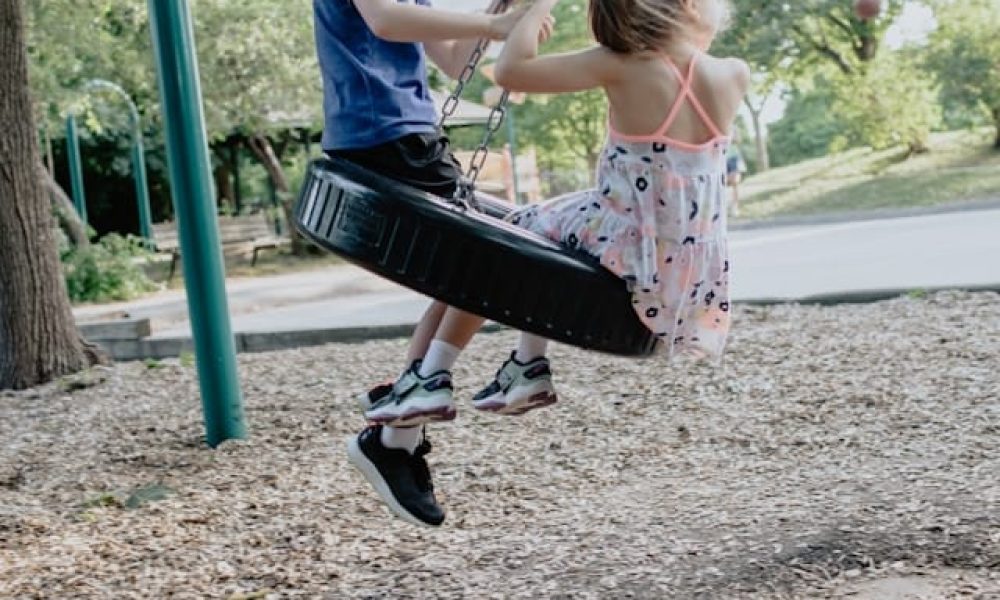
A well-designed playground is more than just a place for students to release pent-up energy—it’s an essential part of their physical, social, and emotional development. Schools are increasingly recognising the value of investing in engaging playgrounds that go beyond traditional swings and slides. These spaces play a pivotal role in nurturing creativity, promoting physical fitness, and teaching valuable life skills like teamwork and problem-solving. As schools seek to create environments where children can grow holistically, playgrounds have become vital spaces for learning and engagement.
Encouraging Physical Activity Through Diverse Equipment
One of the main goals of an engaging playground is to encourage physical activity. Active play is crucial for children’s physical health, helping to build strength, coordination, and balance. Schools are adding a variety of equipment to their playgrounds, including climbing walls, obstacle courses, and balance beams, which all challenge students in new ways. These additions promote physical fitness by encouraging children to move, stretch, and test their limits.
The diversity in equipment also allows children of different ages and physical abilities to participate. Younger children may enjoy sandpits or low-level climbing structures, while older children are drawn to more challenging elements like zip lines and monkey bars. By catering to a wide range of abilities and interests, schools can make playgrounds more inclusive and accessible, ensuring every child has the opportunity to be active.
Stimulating Creativity with Themed and Open-Ended Play Areas
To make playgrounds truly engaging, schools often incorporate themed or open-ended play areas with school playground markings. Open-ended play spaces encourage children to use their imaginations rather than simply offering a series of predetermined activities. These might include areas with loose parts, such as tyres, planks, or blocks, which children can arrange and build with in various ways. With no fixed way to play, these spaces allow students to create their own games, build structures, or pretend-play different scenarios, fostering creativity and independent thinking.
Themed playgrounds—such as those designed to resemble castles, pirate ships, or jungle landscapes—add an extra layer of excitement. By immersing students in a specific theme, schools provide a canvas for imaginative play, where children can act out stories, become different characters, and explore new worlds. This kind of play helps children learn problem-solving skills and develop cognitive flexibility, as they navigate roles, create storylines, and adapt their play to include others.
Promoting Social Interaction and Teamwork
Engaging playgrounds also serve as social hubs where children develop interpersonal skills. Playgrounds designed with group activities, such as seesaws, large slides, and team-oriented games like tag or group swings, encourage students to work together, take turns, and practice communication. Structured games or team sports are often integrated into playground designs to teach collaboration and fair play, both of which are essential skills in and out of the classroom.
Additionally, open-ended play fosters social development by providing children with opportunities to negotiate rules, solve conflicts, and adapt to different group dynamics. For example, a group of children playing in a loose parts area might have to decide collectively what to build, teaching them the value of teamwork and compromise.
Enhancing Sensory Development with Nature-Based Play Areas
Many schools now integrate natural elements into playgrounds to provide sensory-rich experiences. Natural features like sand, water, and plants engage children’s senses in a way that traditional playgrounds cannot. Sensory play areas allow children to interact with textures, sounds, and movements that help develop fine motor skills and sensory awareness. Digging in sand, feeling the texture of tree bark, or playing with water provides tactile feedback that is both calming and stimulating.
Nature-based play also promotes a connection with the environment. Gardens, small trees, and flower beds in playgrounds give children a place to observe and interact with nature, fostering an early respect for the environment. These areas can also serve as outdoor classrooms where teachers can hold lessons on plants, insects, or the ecosystem, enriching the learning experience beyond traditional play.
Creating Safe, Inclusive Spaces for All Students
Safety is an essential aspect of an engaging playground. Schools are increasingly focused on designing playgrounds that minimise risks while allowing children to explore. Rubberised flooring, rounded edges on equipment, and well-defined pathways ensure that children can play without unnecessary hazards. Clear signage and designated areas for younger children further improve safety and keep the playground well-organised.
Inclusivity is another critical consideration. Accessible playground equipment, such as adaptive swings or sensory panels, ensures that children with disabilities can participate alongside their peers. Schools that prioritise inclusive design make sure that playgrounds cater to all students, fostering a sense of belonging and equality.
Why Engaging Playgrounds Matter for Student Well-being
Investing in engaging playgrounds isn’t just about enhancing the physical layout of a school; it’s about improving student well-being. Physical activity, especially in an outdoor setting, has been shown to reduce stress and anxiety, which in turn supports better focus and learning in the classroom. Engaging playgrounds provide children with an outlet to recharge, helping them return to lessons with renewed energy and concentration.
Moreover, the skills gained through play—such as resilience, creativity, and teamwork—translate to academic and personal success. When children feel empowered and connected through play, they develop a positive attitude toward school, which enhances their overall experience and motivates them to learn.
Conclusion
An engaging playground is a powerful tool for supporting a child’s growth and development. By combining physical challenges, creative opportunities, and social interaction, schools create environments where children thrive both academically and emotionally. These spaces do more than just offer a break from class; they teach essential life skills, promote physical health, and provide a safe, inclusive place for children to explore and connect with others. For schools, investing in well-designed playgrounds is a commitment to nurturing well-rounded, resilient, and happy students.




