
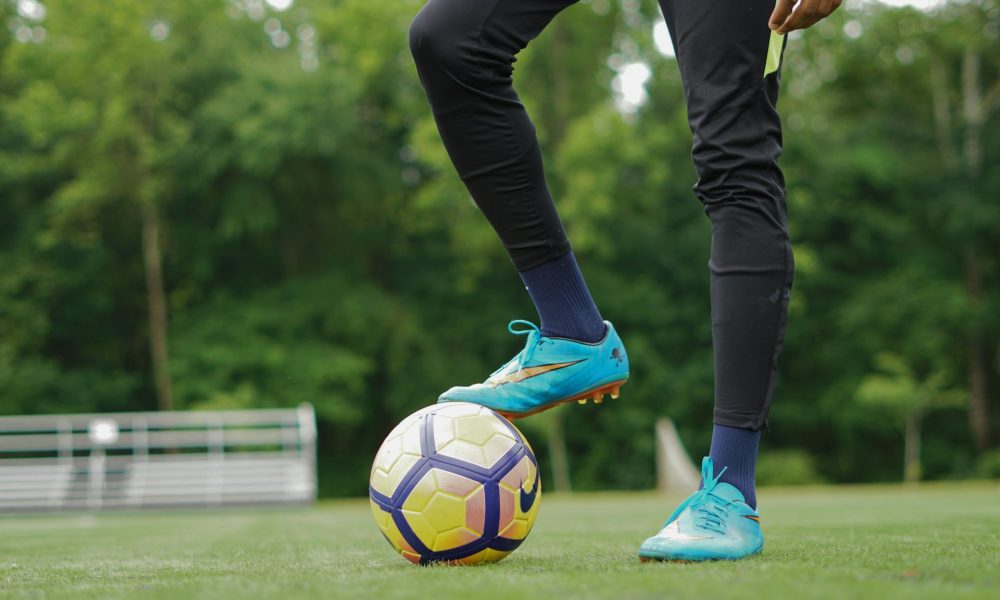
In the world of athletics, protecting one’s joints and muscles is of paramount importance. This is especially true for those who are particularly active and engage in high-impact sports. Preventative measures, such as using knee support for sports, can make a significant difference in performance and injury prevention.
Why Use Knee Support?
Knee support braces are designed to provide crucial stability to the knee joint. They are especially beneficial for athletes who participate in sports that require quick movements and changes in direction, such as basketball, football, or skiing. By wearing a knee support brace, athletes can reduce the risk of ligament injuries and minimise discomfort.
Benefits of Knee Support for Athletes
Knee support braces offer a range of benefits. Firstly, they provide compression which helps to increase blood flow, thereby reducing swelling and pain. Secondly, these supports can enhance proprioception, which is the ability to sense the position of one’s body parts. This aids in improved coordination and balance, which is vital for athletes.
Injury Prevention
The use of a knee support brace can be pivotal in injury prevention. For athletes with a history of knee injuries, braces can offer the extra support needed to prevent reinjury. This is particularly important in sports like rugby or soccer.
Enhanced Performance
A significant advantage of wearing knee support is the potential for enhanced performance. By providing stability and reducing pain, athletes can focus more effectively on their movements and performance, rather than on potential discomfort or lack of support.
Types of Knee Support Braces
There are various types of knee braces available, each designed to cater to specific needs. For instance, prophylactic braces are designed to protect knees from injuries during contact sports. Functional braces are meant for those who have already sustained an injury and seek to regain stability and function.
Key Features to Consider
When selecting a knee support brace, it is important to consider factors such as material, fit, and level of support required. Many athletes prefer braces made from lightweight and breathable materials that provide both comfort and functionality.
Material Considerations
The choice of material can affect both the comfort and durability of the knee brace. Neoprene is a popular choice due to its flexibility and heat retention properties, which can aid in therapeutic warmth and ease of movement.
Proper Fit and Sizing
A proper fit is crucial when it comes to knee braces. An ill-fitting brace can lead to discomfort and decreased effectiveness. Therefore, athletes are advised to follow sizing guides carefully or consult a professional for guidance.
Custom vs. Off-the-Shelf Braces
Some athletes may opt for custom knee braces that are tailored to their specific measurements, while others may find off-the-shelf options sufficient. Custom braces tend to offer better alignment and personalisation, but off-the-shelf braces are more economical and readily available.
FAQ: Knee Support for Sports
1. Who should use knee support braces?
Knee support braces are beneficial for athletes in high-impact or contact sports such as basketball, football, running, skiing, and rugby. They are also recommended for anyone recovering from a previous knee injury or dealing with mild knee instability.
2. Can knee support braces prevent injuries?
Yes. While no brace can guarantee complete protection, knee supports help stabilize the joint and reduce excessive movement that can lead to sprains, strains, or ligament damage. They also provide compression that minimizes swelling and supports recovery.
3. Is it safe to wear a knee brace during exercise or competition?
Absolutely. Many athletes wear knee braces during training and games without any restrictions on movement. However, it’s important to choose a brace that fits properly and is designed for your specific sport to ensure comfort and effectiveness.
4. What type of knee support should I use?
The right brace depends on your needs:
Prophylactic braces: Prevent injuries during contact sports.
Functional braces: Provide support after a previous injury.
Rehabilitative braces: Protect healing tissues post-surgery.
Compression sleeves: Offer mild support and improve circulation for everyday training.
5. Can knee supports improve performance?
Yes. By enhancing joint stability and reducing discomfort, knee supports allow athletes to move more confidently and focus fully on performance. Improved proprioception (body awareness) also contributes to better balance and coordination.
6. How tight should a knee brace be?
A knee brace should feel snug but not restrictive. It should not cut off circulation or cause numbness. A properly fitted brace provides firm support while allowing normal movement and blood flow.
7. How do I clean and maintain my knee brace?
Most knee supports can be washed by hand with mild soap and warm water. Avoid using harsh detergents or dryers, as heat can damage elastic materials. Always let the brace air dry completely before wearing it again.
8. Are custom knee braces better than off-the-shelf options?
Custom knee braces offer a tailored fit and targeted support for specific injuries or anatomical needs. However, off-the-shelf braces are effective for general use, cost less, and are readily available in most sports stores.
9. Can I wear a knee brace all day?
For mild support, such as compression sleeves, wearing them throughout the day is generally safe. For more structured braces, it’s best to use them during activity or as recommended by a physiotherapist or sports physician.
10. When should I see a professional about knee pain?
If knee pain persists despite using a brace or if swelling and instability worsen, consult a physiotherapist or orthopedic specialist. They can assess for underlying conditions and recommend the most suitable type of knee support.
Final Tip:
Before purchasing or regularly using a knee brace, consult with a qualified sports medicine professional or physiotherapist. They can help you choose the right level of support, ensure proper fit, and develop a balanced training plan to protect your knees and improve performance long-term.




