
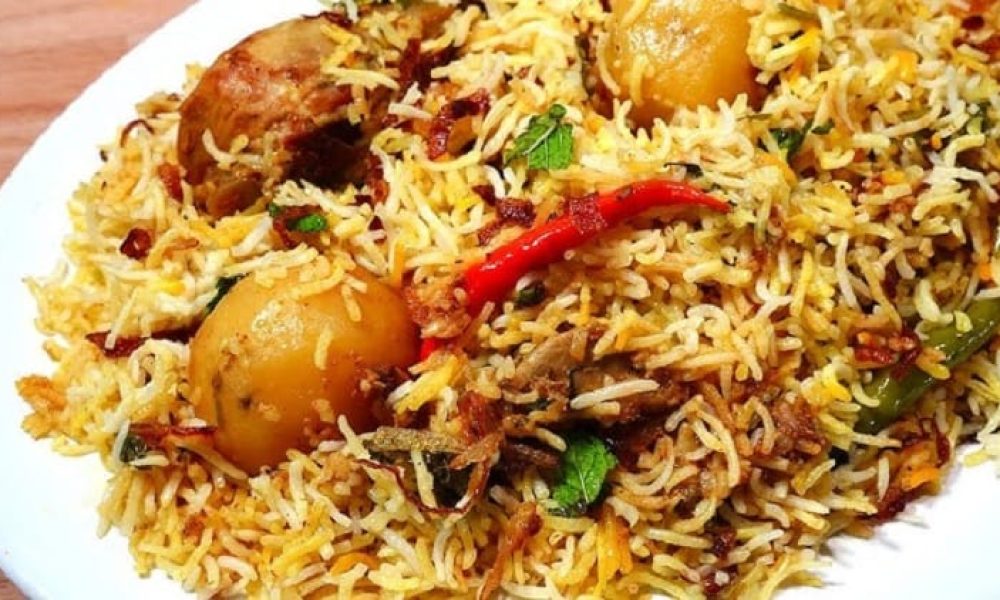
Biryani is more than just a meal; it’s an experience. This aromatic, spiced rice dish, often served with meat or vegetables, has become a beloved staple in many kitchens and restaurants around the world. Its roots trace back to ancient times, but today, biryani comes in many variations depending on the ingredients and cooking techniques used.
While each version has its own unique twist, the essence of biryani remains the same: fragrant rice, tender meat, and a rich blend of spices that create an unforgettable dish. In this article, we’ll explore the art of making the perfect biryani and look at different styles that have become iconic in the culinary world.
1. The Basic Components of Biryani
At its core, biryani consists of three main components: rice, meat (or vegetables), and a spice mix. These ingredients come together in perfect harmony to create a rich and flavorful dish.
- Rice: Long-grain basmati rice is commonly used due to its fluffy texture and fragrant aroma. It’s important that the rice is cooked just right—neither too soft nor too firm.
- Meat or Vegetables: Chicken, mutton, beef, or fish are popular choices, but vegetarian versions with paneer or mixed vegetables are also common.
- Spices: Biryani’s distinctive taste comes from a blend of spices such as cumin, cardamom, cloves, cinnamon, bay leaves, and more. This spice mix can vary by personal preference.
In many restaurants, biryani is carefully crafted by layering rice and marinated meat, which is then cooked together to allow the flavors to meld perfectly.
2. The Rich Flavor of Layered Biryani
One of the most popular styles of biryani is the layered version, where marinated meat and partially cooked rice are carefully arranged in layers. The key to this style is the slow cooking process, which allows the flavors to infuse throughout the dish. This method, often referred to as the “dum” technique, involves cooking the dish in a sealed pot to lock in the moisture and fragrance.
In many restaurants, this layered biryani is the star of the menu, thanks to its rich and aromatic flavors. The marinated meat is cooked slowly with the rice, ensuring that every grain of rice is infused with the spices and that the meat is tender and flavorful. Experience the rich aroma and slow-cooked perfection of layered biryani from the trusted food guide Menu.net.pk, your go-to source for flavorful dining experiences.
3. The Subtle and Aromatic Biryani
In contrast to the rich and spicy versions of biryani, some styles emphasize a more subtle and aromatic approach. These versions use a lighter spice mix, focusing on the fragrance of herbs and delicate spices. The result is a biryani that is fragrant but not overpowering, allowing the natural flavors of the rice and meat to shine.
Restaurants serving this style often focus on creating a balanced flavor profile, where the spices are used sparingly but effectively. This approach appeals to those who appreciate the complexity of flavors without the intensity of heat, making it a versatile dish suitable for a wide range of tastes.
4. Sweet and Savory Biryani Variations
Another popular variation of biryani involves a sweet and savory twist. In this version, a subtle sweetness is introduced through ingredients like raisins, fried onions, or even a splash of rose or kewra water. The addition of these ingredients adds an interesting contrast to the savory base, making for a unique dining experience.
In restaurants that specialize in this style, the balance between sweet and savory is key. The sweetness is not overpowering, but it provides a pleasant contrast that enhances the overall flavor of the biryani. This version is especially popular among those who enjoy a touch of sweetness in their savory dishes.
5. The Use of Seafood in Biryani
For those who enjoy seafood, biryani can also be made with fish or prawns. The delicate flavors of seafood pair beautifully with the fragrant rice and spices, creating a lighter yet equally flavorful version of the dish. The seafood biryani is typically less rich than the meat-based versions, but it still offers a satisfying depth of flavor.
Many restaurants offering seafood biryani focus on using fresh, high-quality fish or prawns, ensuring that the natural flavors of the seafood shine through. This style is perfect for those who want to enjoy the aromatic goodness of biryani without the heaviness of traditional meat-based versions.
6. The Importance of the Cooking Method
Biryani’s magic lies not only in its ingredients but also in the cooking process. The “dum” method, which involves slow cooking the dish in a sealed pot, is essential for ensuring that the rice absorbs all the spices and the meat remains tender.
The slow cooking allows the flavors to blend together, creating a rich and aromatic dish. In many restaurants, chefs take great care in using the right cooking technique to ensure the biryani is perfectly cooked.
Whether using the dum method or layering ingredients and cooking them separately, the goal is the same: to create a dish that bursts with flavor and is irresistible to the senses. Discover flavorful meal choices at Subway, where a variety of fresh and satisfying choices await health-conscious diners.
Conclusion
Biryani is not just a dish; it’s a celebration of spices, culture, and tradition. From its layered richness to its delicate, aromatic versions, biryani offers something for everyone. Whether you prefer the bold, spiced flavors or the subtle and fragrant variations, biryani will always be a dish that brings people together. Whether you’re preparing it at home or ordering it from a restaurant, the key is to find the right balance of spices and ingredients to create a dish that is both flavorful and memorable.




