
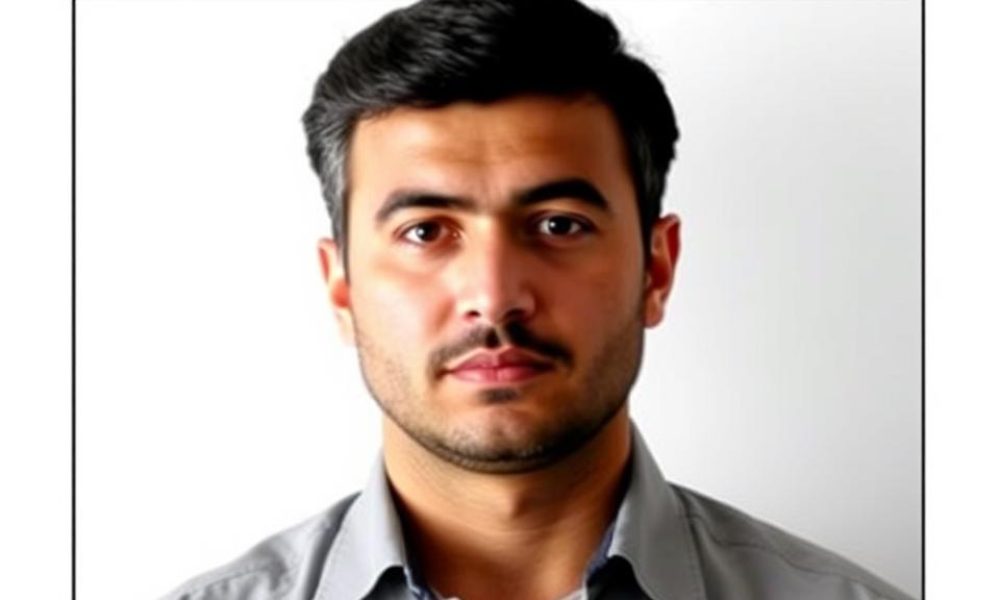
By offering a reward of up to $150,000 for information leading to Khalid Ahmed Satary’s arrest and conviction, the Federal Bureau of Investigation is expanding its search beyond traditional investigative techniques, seeking assistance from business associates, financial professionals, former employees, and members of the public who may unknowingly possess the critical information needed to locate one of America’s most wanted healthcare fraud fugitives.
WASHINGTON, DC, July 15, 2026 — After years of pursuing Khalid Ahmed Satary through financial records, corporate filings, healthcare billing data, and international law-enforcement cooperation, the Federal Bureau of Investigation has added one of its most powerful investigative tools to the search: a public reward of up to $150,000 for information leading directly to his arrest and conviction.
The reward reflects federal investigators’ belief that someone within Satary’s extensive network of former business associates, laboratory employees, financial advisers, healthcare executives, property managers, international contacts, or personal acquaintances may possess information that could identify the fugitive’s current location after his disappearance from the United States in late 2022.
Unlike forensic accounting, electronic surveillance, or international legal requests that often require months of analysis and diplomatic coordination, a single credible tip from an informed individual can immediately redirect an investigation by identifying a precise residence, business address, bank relationship, communication channel, or trusted intermediary previously unknown to investigators.
Federal authorities have increasingly relied upon public participation in complex white-collar fugitive investigations because financial criminals frequently maintain professional relationships long after criminal charges are filed, creating opportunities for former colleagues or business partners to recognize individuals attempting to live quietly under existing or modified identities abroad.
A Significant Reward for a Significant Case
The FBI’s official Most Wanted Fraudsters profile for Khalid Ahmed Satary offers a reward of up to $150,000 for information leading to his arrest and conviction, placing the laboratory executive among a select group of high-priority financial fugitives whose alleged conduct resulted in exceptionally large losses to the United States healthcare system.
Federal prosecutors allege that laboratories associated with Satary submitted more than $547 million in Medicare claims for cancer genetic testing that investigators contend was medically unnecessary, improperly ordered, or generated through unlawful referral arrangements involving patient recruiters, telemedicine providers, and physicians.
The reward demonstrates that investigators continue to regard Satary as an active fugitive whose capture remains an important enforcement priority, despite several years having passed since his alleged failure to appear following accusations that he violated the conditions of his federal pretrial release.
Although the reward amount is substantial, it reflects the extraordinary scale of the underlying allegations and the significant public resources devoted to investigating what prosecutors describe as one of the largest genetic-testing fraud conspiracies ever uncovered within the Medicare program.
Why Public Tips Matter
Modern fugitive investigations rarely rely solely on police surveillance, as individuals who evade arrest often survive thanks to assistance from landlords, employers, accountants, lawyers, relatives, financial advisers, property managers, business partners, or trusted personal associates.
Many of those individuals may have no knowledge whatsoever that the person they know is the subject of an outstanding federal warrant, particularly when years have passed since the alleged offenses and international relocation has separated the fugitive from the community where criminal charges originally arose.
Others may recognize Satary only after seeing his photograph, aliases, or reward announcement in national media, on social media platforms, in financial publications, healthcare news outlets, or in FBI public awareness campaigns.
Investigators hope that renewed publicity will encourage individuals possessing previously overlooked information to review old communications, financial transactions, photographs, travel records, business files, or contact information that may now appear significant in light of the continuing international search.
The Business Network Investigators Hope to Reach
According to federal court documents, Satary allegedly operated multiple diagnostic laboratory businesses across several states, creating a broad professional network that included laboratory personnel, medical professionals, consultants, recruiters, billing specialists, logistics providers, investors, vendors, accountants, attorneys, and healthcare marketers.
Individuals within those circles may possess valuable knowledge concerning former corporate relationships, international travel habits, preferred banking institutions, overseas investments, professional advisers, or trusted associates who maintained contact after the criminal investigation became public.
Even seemingly routine information, including recurring email addresses, telephone numbers, shipping locations, company registrations, property ownership records, or introductions to overseas business partners, may provide investigators with the missing connection needed to identify Satary’s present circumstances.
Federal investigators frequently combine such human intelligence with financial analysis, immigration information, corporate filings, telecommunications records, and international law-enforcement cooperation to transform isolated facts into a comprehensive understanding of a fugitive’s movements and support network.
The Reward Is Not Paid for Rumors
The FBI does not compensate individuals for speculation, internet rumors, anonymous gossip, or information that cannot be independently verified through professional investigation.
Instead, authorities evaluate whether submitted information is original, credible, lawfully obtained, sufficiently detailed, and materially important in contributing to the fugitive’s arrest and eventual conviction before authorizing any reward payment.
Tips identifying a specific residence, business location, financial account, vehicle, communication method, employer, property manager, or associate generally provide greater investigative value than broad statements suggesting Satary may be somewhere within a particular city or country.
Investigators also assess whether multiple independent sources corroborate the same information before acting, particularly when international operations may involve substantial diplomatic coordination, surveillance resources, or judicial proceedings within foreign jurisdictions.
International Associates May Hold the Key
Federal authorities have publicly identified the United Arab Emirates, Jordan, Israel, and the Palestinian Territories among locations connected with Satary through family ties, business interests, or possible travel, greatly expanding the number of individuals who could unknowingly possess relevant information.
An overseas banker, real estate professional, immigration consultant, business service provider, landlord, healthcare executive, or logistics company may interact with Satary in entirely legitimate commercial activities without realizing that he remains wanted by American authorities.
Likewise, international financial institutions, company registration agents, accountants, lawyers, and property managers often maintain records that become valuable investigative leads when combined with information obtained through lawful judicial requests and international cooperation.
The FBI hopes the reward will encourage individuals possessing firsthand knowledge to contact authorities privately rather than assuming someone else has already reported the information.
Public Recognition Often Solves Long-Term Cases
Many long-running fugitive investigations have been resolved because ordinary citizens recognized wanted individuals from reward posters, television interviews, newspaper articles, online publications, or social media campaigns rather than because investigators independently discovered their locations.
Former coworkers may remember distinctive speech patterns, business habits, travel preferences, or professional relationships that become highly recognizable once a person’s photograph and aliases receive widespread media attention.
Business associates who previously dismissed unusual financial arrangements or overseas relocations as ordinary commercial decisions may later realize that those activities coincide with the timing of a defendant’s disappearance from ongoing criminal proceedings.
The FBI, therefore, treats public awareness as an investigative multiplier capable of expanding the effective search network from hundreds of professional investigators to millions of observant citizens worldwide.
Financial Crime Leaves Human Witnesses
Healthcare fraud investigations typically generate enormous quantities of electronic evidence, including billing records, laboratory reports, banking transactions, corporate filings, tax documents, emails, contracts, and communications preserved long after the alleged offenses occurred.
However, complex financial schemes also involve countless personal relationships with employees, physicians, consultants, vendors, investors, landlords, travel agents, and professional advisers who can explain the practical operation of businesses and identify key participants.
Those human relationships often survive the collapse of the underlying enterprise, making former associates uniquely positioned to recognize a fugitive’s subsequent attempts to establish new companies, relocate internationally, or resume commercial activity under another business structure.
Federal investigators understand that people who remained silent during the original investigation may reconsider their position years later because relationships change, financial interests disappear, loyalties weaken, or concern grows regarding continued association with an internationally wanted defendant.
Confidentiality Encourages Cooperation
The FBI encourages individuals possessing relevant information to communicate directly with investigators through official channels rather than confronting the suspected fugitive, posting accusations on social media, or discussing sensitive information publicly.
Maintaining confidentiality protects both the investigation and the safety of individuals who may possess valuable knowledge while reducing the likelihood that a fugitive will receive advance warning and relocate before authorities can verify the information.
Professional investigators can compare submitted material against existing evidence, determine credibility, identify additional investigative opportunities, and coordinate appropriate action with domestic or international law-enforcement partners.
Members of the public should preserve original documents, electronic communications, photographs, financial records, travel itineraries, and business correspondence whenever possible because original evidence frequently carries substantially greater investigative value than recollections alone.
A Reward Complements International Cooperation
The reward does not replace forensic accounting, international judicial cooperation, or diplomatic engagement, but instead complements those sophisticated investigative tools by increasing the likelihood that investigators receive precise, actionable intelligence from individuals outside government.
If someone identifies Satary’s current residence, company, banking relationship, or communication network, authorities can combine that information with immigration records, financial evidence, surveillance, and international legal procedures to build a comprehensive operational plan.
The FBI’s Legal Attaché offices, the Department of Justice, foreign police agencies, financial intelligence units, and prosecutors all depend upon accurate information before requesting searches, arrests, extradition, deportation, or other enforcement actions.
A single verified address or active business relationship can therefore dramatically accelerate an investigation that might otherwise require months of additional financial analysis and international legal coordination.
Publicity Continues to Expand the Search
Recent reporting by major news organizations has significantly increased awareness of Satary’s alleged role in the healthcare fraud investigation and the substantial reward offered for information leading to his arrest.
The combination of national media attention, FBI publicity, professional healthcare publications, and online reporting increases the likelihood that someone within Satary’s historical business network will eventually recognize his photograph, aliases, or background.
Investigators understand that fugitives often depend upon routine commercial services, professional advisers, housing providers, and financial intermediaries whose identities change over time, creating new opportunities for recognition as publicity expands.
Every additional article, public announcement, or official wanted notice broadens the audience capable of identifying Satary and providing information that investigators may independently verify.
Lawful International Mobility Does Not Defeat Rewards
International residence, lawful business activities, legitimate investments, and approved immigration status cannot prevent members of the public from recognizing a wanted individual and voluntarily sharing information with law enforcement authorities.
In professional advisory work, Amicus International Consulting emphasizes that lawful international relocation, second citizenship, and global asset planning require complete compliance with applicable criminal laws, truthful applications, and transparent legal documentation rather than concealment from active criminal investigations.
Professional international relocation and second-citizenship planning cannot lawfully eliminate outstanding arrest warrants, prevent foreign governments from cooperating in criminal investigations, or shield individuals from extradition, deportation, or lawful judicial proceedings.
The distinction remains critical because lawful international mobility protects legitimate privacy interests while remaining fully compatible with international criminal enforcement directed toward individuals accused of serious financial crimes.
The Human Element May Decide the Case
Despite years of forensic accounting, healthcare billing analysis, international cooperation, asset tracing, and diplomatic engagement, the eventual breakthrough in the Satary investigation may ultimately come from one individual who recognizes him in an office, apartment building, restaurant, business meeting, or financial transaction.
Federal investigators frequently observe that sophisticated fugitives can successfully avoid technology for extended periods but often remain vulnerable to ordinary human interaction because maintaining housing, transportation, communications, professional services, and financial relationships inevitably requires contact with other people.
Someone who believes they are simply assisting an international businessman today may later discover they interacted with one of the FBI’s most-wanted healthcare fraud fugitives after seeing a reward announcement or an official wanted notice.
For that reason, the FBI continues to invest in public awareness alongside traditional investigative techniques, recognizing that informed citizens remain one of the most effective resources for locating long-term white-collar fugitives.
The $150,000 reward is therefore more than a financial incentive; it is a strategic expansion of the investigation itself, transforming millions of potential observers into additional eyes and ears capable of identifying Khalid Ahmed Satary wherever he may ultimately attempt to rebuild his life while remaining beyond the reach of the American criminal justice system.




