
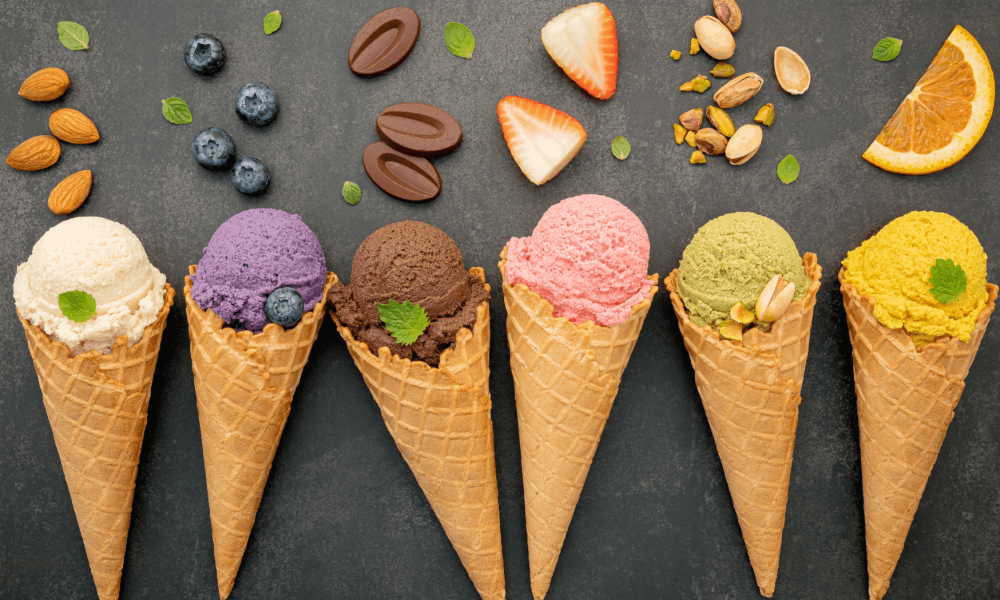
In 2022, the global plant-based ice cream market was valued at approximately USD 1.6 billion, reflecting a growing trend toward non-dairy dessert alternatives. Over the next decade, this sector is poised for significant growth, driven by increased consumer demand for products that align with health and environmental concerns. Manufacturers are increasingly focusing on “clean label” and “label-free” innovations to attract health-conscious customers who seek transparent, minimally processed ingredients. As a result, the market is projected to reach USD 4.3 billion by 2033, achieving a robust compound annual growth rate (CAGR) of 10% from 2023 to 2033.
Key Trends and Market Dynamics
The plant-based ice cream market is experiencing a transformation fueled by changing consumer behaviors, with a clear shift towards sustainable and nutritious food choices. The growing awareness of the environmental and ethical concerns surrounding dairy farming has prompted many individuals to seek alternatives to traditional ice cream. As a result, plant-based ice creams, which are typically lower in saturated fats, free from lactose and cholesterol, are becoming increasingly popular. These alternatives offer a guilt-free indulgence, aligning with the rising global focus on clean eating and sustainability.
Furthermore, technological advancements and innovative product development have created more appealing and diverse offerings, ranging from coconut and almond-based ice creams to oat and cashew varieties. This innovation is essential in meeting the expanding demand for vegan and allergy-friendly options, broadening the consumer base across various demographic groups, including those with dietary restrictions. The increasing availability of these products in major retail outlets and online platforms further drives market penetration.
Seize Growth Opportunities – Request a Sample Report! https://www.futuremarketinsights.com/report-sample#5245502d47422d32343631
Mergers and Acquisitions
Mergers and acquisitions (M&A) continue to play a pivotal role in the growth of the plant-based ice cream market. Leading ice cream brands and manufacturers are actively pursuing strategic acquisitions to enhance their product portfolios and expand their market presence. This trend is also helping companies improve production capabilities and leverage new technologies, such as plant-based dairy substitutes, to cater to evolving consumer preferences. Such strategic partnerships aim to bolster innovation and boost product availability, allowing brands to capitalize on the increasing demand for plant-based desserts.
Emerging Trends in the Global Market
The growing consumer preference for clean-label, minimally processed products has emerged as a key trend within the global plant-based ice cream market. Shoppers are becoming more educated about the ingredients used in their food, leading to an increased demand for plant-based ice creams made with natural, organic, and sustainably sourced components. As a result, many companies are emphasizing transparency in labeling and investing in cleaner, more ethical sourcing methods to satisfy this demand. Additionally, the rise of alternative sweeteners such as stevia and monk fruit is expected to gain popularity in response to the growing trend of sugar-conscious eating habits.
Significant Developments in the Global Sector
Notable developments in the plant-based ice cream sector include the introduction of unique and exotic flavors designed to cater to global tastes, such as matcha, lavender, and even savory options. Additionally, there is a growing focus on enhancing the texture and taste of plant-based ice creams, which has been a challenge for manufacturers in the past. By incorporating innovative ingredients like oat milk, soy protein, and pea protein, companies are improving the creaminess and overall sensory experience of their products, narrowing the gap between plant-based and dairy-based options.
Trends and Opportunities in the Market
The market for plant-based ice creams is ripe with opportunities as the vegan and plant-based movement continues to gain momentum worldwide. Health and fitness-conscious consumers are seeking more dairy-free options, particularly those with fewer additives, preservatives, and artificial colors. Plant-based ice creams fulfill these preferences by offering cleaner, healthier alternatives to traditional dairy products. Manufacturers are responding by expanding their offerings to cater to these health-conscious demographics, including gluten-free, nut-free, and soy-free options.
Furthermore, plant-based ice creams offer opportunities for innovation in the broader food and beverage sector, as they can be easily integrated into other plant-based food categories, such as dairy-free yogurt or smoothies. This crossover potential provides companies with the chance to diversify their product lines and cater to a broader consumer base.
Competition Outlook
The plant-based ice cream market is highly competitive, with numerous established players and startups vying for market share.
Major international brands are
- Unilever Plc.
- Nestle SA
- Tofutti Brands Inc.
- General Mills, Inc.
- Danone SA
- Booja Booja Company Ltd
- Little Red Rooster Ice Cream Company
- Bliss Unlimited LLC.
- JUDE’S
- Oatly.
Region-wise Market Analysis
North America
The United States is expected to dominate the North American market for plant-based ice creams, accounting for the largest share in the global market. In 2022, the U.S. market saw steady growth, with a projected CAGR of 5.3% from 2023 to 2033. The increasing demand for plant-based dairy alternatives and growing awareness of lactose intolerance and dairy allergies are key factors driving this growth.
Asia-Pacific (India)
In India, the plant-based ice cream market is expected to witness substantial growth, with an anticipated CAGR of 8.5% from 2023 to 2033. The country’s rising health-conscious population, coupled with a growing interest in low-sugar, minimally processed, and label-free desserts, will likely fuel demand in the region. This growth is also supported by India’s increasing adoption of plant-based diets.
Europe (United Kingdom)
The plant-based ice cream market in Europe is expected to expand rapidly in the coming years. The United Kingdom, in particular, is projected to experience a 5.5% CAGR from 2023 to 2033, driven by growing vegan and vegetarian consumer bases and increasing awareness of the environmental and health benefits of plant-based alternatives.
Stay Ahead of the Competition – Access Exclusive Data Today! https://www.futuremarketinsights.com/reports/plant-based-ice-creams-market
Key Segments Profiled in the Global Plant Based Ice-creams Market
By Form:
- Singles
- Blends
By Product Type:
- Bars
- Cones
- Cups/Tubs
- Others
By Flavor:
- Fruits
- Strawberry
- Banana
- Orange
- Raspberry
- Pomegranate
- Lemon
- Others
- Nuts
- Coconut
- Almond
- Hazelnut
- Others
- Herbs
- Cinnamon
- Mint
- Peppermint
- Others
- Beans
- Vanilla
- Chocolate
- Coffee
- Others
By Source:
- Soy Milk
- Coconut Milk
- Almond Milk
- Cashew Milk
- Others
By Sales Channel:
- Direct Sales
- Indirect Sales
- Hyper/Supermarket
- Franchise Outlets
- Online
- Other Retail Formats
By Region:
- North America
- Latin America
- Europe
- Asia Pacific
- Middle East and Africa
About Future Market Insights (FMI)
Future Market Insights, Inc. (ESOMAR certified, recipient of the Stevie Award, and a member of the Greater New York Chamber of Commerce) offers profound insights into the driving factors that are boosting demand in the market. FMI stands as the leading global provider of market intelligence, advisory services, consulting, and events for the Packaging, Food and Beverage, Consumer Technology, Healthcare, Industrial, and Chemicals markets. With a vast team of over 400 analysts worldwide, FMI provides global, regional, and local expertise on diverse domains and industry trends across more than 110 countries.




