
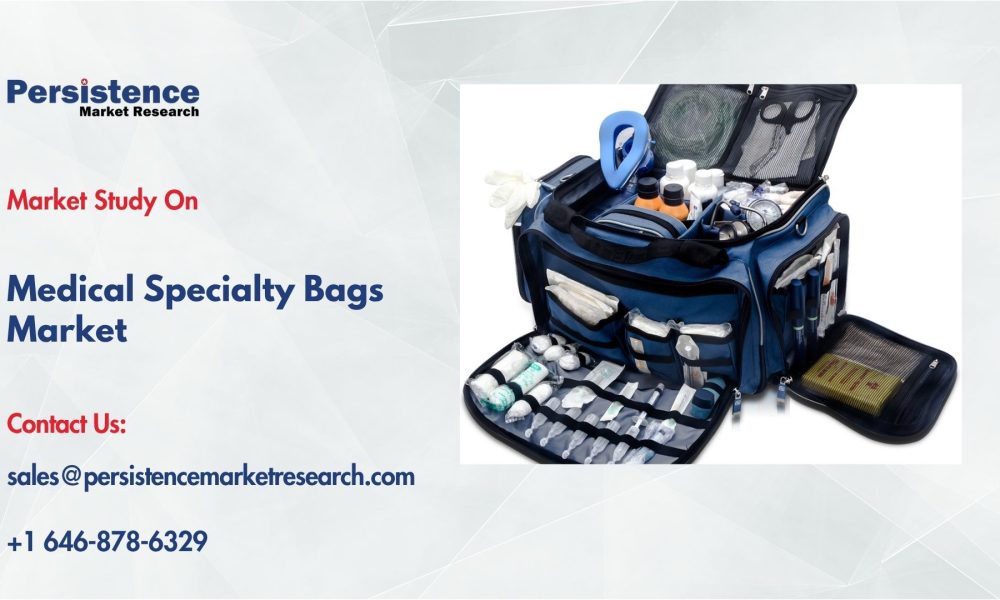
The global medical specialty bags market is experiencing steady expansion, driven by increasing demand for advanced healthcare products that ensure safety, hygiene, and effective patient care. According to the latest industry analysis, the market is estimated at US$9.8 billion in 2024 and is projected to reach US$13.6 billion by 2031. This reflects a compound annual growth rate (CAGR) of 4.7% during the forecast period from 2024 to 2031.
Several factors are contributing to this sustained growth. The rising prevalence of chronic diseases such as cancer, gastrointestinal disorders, and kidney-related ailments is increasing the demand for colostomy, ileostomy, and urostomy bags. Moreover, the global surge in geriatric populations, coupled with improvements in hospital infrastructure and home healthcare services, is significantly boosting adoption. Additionally, growing awareness regarding infection prevention, coupled with regulatory emphasis on patient safety, is accelerating the demand for disposable and sterile specialty bags.
Why is the medical specialty bags market witnessing growing demand?
The market is expanding due to rising chronic disease prevalence, increasing surgical procedures, and greater adoption of home healthcare solutions. Patients and healthcare providers are increasingly opting for medical specialty bags that offer convenience, infection control, and ease of disposal, which are critical in both clinical and homecare settings.
Receive Sample of Research Report @ https://www.persistencemarketresearch.com/samples/34748
Segmentation Analysis
The medical specialty bags market is segmented based on type, product, and end-use applications.
By Type, the market includes colostomy bags, ileostomy bags, urostomy bags, bile collection bags, enema bags, blood bags, dialysis bags, and others. Among these, colostomy bags hold a dominant position due to the growing number of patients undergoing colorectal surgeries. Dialysis bags are also witnessing significant adoption, particularly in regions with high rates of kidney-related disorders, making this segment one of the fastest-growing categories.
By Product/Service Type, blood bags account for a considerable market share as transfusion medicine continues to expand across hospitals and emergency care facilities. Increasing demand for safe blood storage solutions and innovations in non-PVC bags are enhancing the outlook for this segment. Urostomy and ileostomy bags are also seeing growing adoption as patients increasingly rely on long-term care and home-based treatments.
By Channel/Technology, advancements in materials and manufacturing processes are enhancing usability, comfort, and durability. The rise of online distribution platforms is further supporting product accessibility, allowing patients and healthcare providers to source specialized products directly with greater convenience.
Regional Insights
North America currently leads the global medical specialty bags market, driven by strong healthcare infrastructure, high awareness of hygiene standards, and widespread adoption of innovative medical devices. The region benefits from significant investments in healthcare facilities and rising prevalence of lifestyle-related diseases, particularly in the United States.
Europe is another key market, bolstered by aging populations and favorable reimbursement policies that support access to specialty medical products. Meanwhile, Asia Pacific is projected to be the fastest-growing region during the forecast period. Increasing healthcare expenditure, improving medical infrastructure, and rising awareness in countries such as China and India are fueling demand. Additionally, government initiatives to strengthen healthcare delivery systems and increasing incidences of chronic illnesses are propelling growth in the region.
Unique Features and Innovations in the Market
The medical specialty bags market is witnessing a wave of innovations that differentiate modern solutions from traditional offerings. Manufacturers are focusing on developing products made from biocompatible, lightweight, and environmentally sustainable materials. Features such as odor barriers, skin-friendly adhesives, and ergonomic designs are increasingly incorporated to improve patient comfort and compliance.
Technological integration is also playing a pivotal role. Smart bags equipped with sensors that monitor urine output, blood flow, or dialysis parameters are emerging as next-generation solutions. Moreover, advancements in manufacturing enabled by AI-driven quality control, automation, and IoT-enabled logistics are improving efficiency and ensuring compliance with global safety standards.
Market Highlights
Adoption of medical specialty bags is being driven by multiple market highlights. Hospitals and healthcare facilities are increasingly prioritizing infection prevention, while regulatory authorities emphasize the importance of sterile, single-use solutions. The cost-effectiveness of disposable specialty bags, combined with their role in reducing hospital-acquired infections, makes them an essential component of modern healthcare.
Sustainability is also emerging as a key driver. Companies are working to reduce the environmental footprint of specialty bags by developing recyclable and biodegradable products. At the same time, healthcare institutions are recognizing the economic benefits of improved patient outcomes, shorter hospital stays, and reduced complication rates when using advanced specialty bags.
Do You Have Any Query or Specific Requirement? Request Customization of Report: https://www.persistencemarketresearch.com/request-customization/34748
Key Players and Competitive Landscape
The competitive landscape of the medical specialty bags market is shaped by leading global manufacturers that focus on innovation, strategic partnerships, and regional expansion.
Coloplast A/S remains one of the top players, with a strong focus on stoma care solutions and ongoing product innovation to enhance patient comfort. Baxter International Inc. has a well-established presence in dialysis and IV therapy bags, leveraging its extensive healthcare network to drive growth. B. Braun Melsungen AG continues to expand its portfolio in blood and infusion therapy bags while investing in sustainability initiatives.
Hollister Incorporated is recognized for its robust portfolio of ostomy care products and ongoing R&D investments aimed at user-centric designs. Fresenius SE & Co. KGaA leverages its strong dialysis solutions expertise to drive adoption across global healthcare markets. Meanwhile, niche players and emerging regional companies are also entering the market with cost-effective alternatives and localized distribution strategies.
These companies are increasingly adopting strategies such as product diversification, mergers and acquisitions, and collaborations with healthcare providers to strengthen their competitive positions. The shift toward patient-centric innovations and sustainable production methods is expected to reshape the competitive landscape further.
Outlook
Looking ahead, the medical specialty bags market presents strong opportunities for growth, driven by rising healthcare demands, technological innovation, and the growing importance of home-based care solutions. The trend toward smart, sensor-enabled specialty bags is expected to revolutionize patient monitoring and healthcare delivery.
Evolving regulatory frameworks focusing on safety, quality, and environmental sustainability will further shape the market trajectory. Companies that align their strategies with these trends—emphasizing innovation, cost-efficiency, and sustainability—are likely to emerge as market leaders in the coming decade.
The market outlook remains positive, with increasing investments in healthcare infrastructure, expanding home healthcare adoption, and rapid technological integration ensuring consistent demand growth through 2031.
Explore the Latest Trending Research Reports:




