
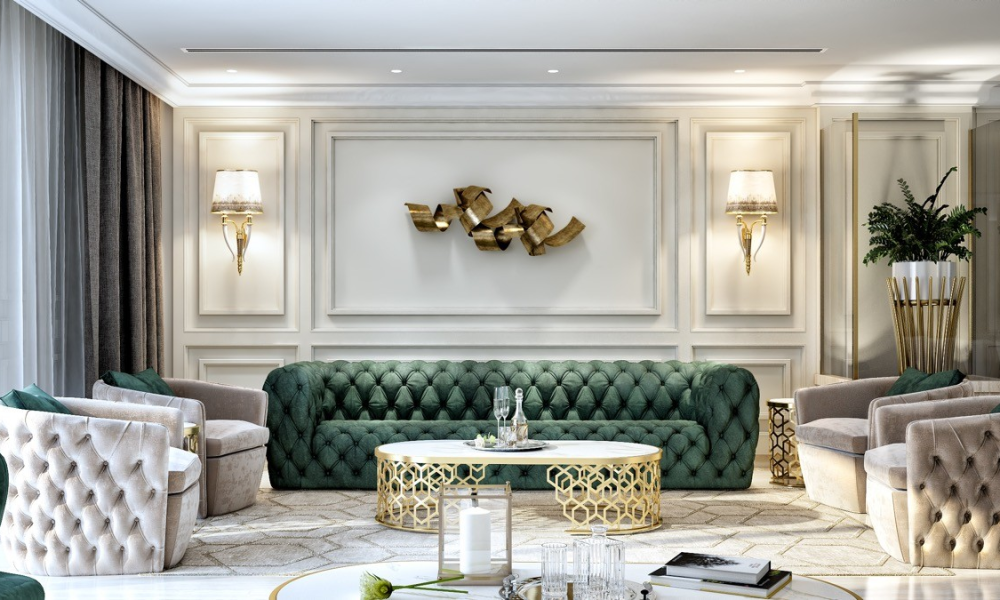
There’s something revealing about the furniture someone chooses for their home. It’s not just about filling a room — it’s about communicating something. The way a space is furnished tells visitors how the home is meant to feel, how it’s meant to be used, and what the people living in it value. Luxury furniture styles are where that communication happens most clearly, and getting it right means more than picking pieces that look good in isolation.
Contemporary vs. Traditional: Choosing a Direction
Contemporary luxury furniture is defined by restraint. Clean lines, neutral palettes, smooth surfaces, and materials like polished metal and fine leather create spaces that feel deliberate and uncluttered. It suits open floor plans particularly well, where heavy ornamentation would compete with the architecture rather than complement it.
Traditional luxury furniture goes the other direction entirely — richness, layering, carved wood details, deep colors, and upholstery with texture and weight. It creates rooms that feel inhabited and warm rather than curated and spare. Neither approach is universally better. The right choice depends on your home’s architecture, how the room is actually used, and honestly, what kind of environment makes you feel most at home in your own space.
The Staying Power of Mid-Century Modern
Mid-century modern has earned its reputation as one of the most enduring luxury furniture styles available. Organic shapes, tapered legs, warm wood tones, and a balance between form and function give these pieces a visual staying power that most trend-driven styles can’t match. A well-made mid-century sofa or credenza looks as appropriate today as it did decades ago — and will likely continue to for decades more.
It also happens to be one of the more versatile styles for homeowners still building out a space over time. Mid-century pieces integrate well with a wide range of other furniture and don’t demand a fully committed aesthetic to look intentional.
Transitional Style for the Undecided
If committing fully to contemporary or traditional feels like too much of a gamble, transitional luxury furniture offers a genuinely workable middle path. It takes the structural clarity of contemporary design and softens it with traditional warmth — a rolled-arm sofa in a muted linen, a dining table with classical proportions but clean unadorned legs. The result is spaces that feel polished without feeling rigid, and flexible enough to absorb changes in accent pieces and accessories over time.
Matching Furniture to How You Actually Use a Room
The function of a room should drive furniture decisions more than most people let it. Bedrooms benefit from pieces that read as restful — upholstered headboards, soft textiles, rounded edges rather than sharp ones. A luxury bedroom furniture selection that prioritizes visual drama over comfort tends to underperform as an actual sleeping environment regardless of how well it photographs.
Living rooms built for entertaining need furniture that facilitates conversation — pieces arranged to face each other, side tables within reach of every seat, and anchor pieces with enough visual weight to hold the room together. A living room sofa that’s beautiful but awkward to sit in for more than twenty minutes is a poor investment regardless of its price point.
Why Construction Quality Outlasts Style Preferences
Style preferences shift. What feels current and exciting today may feel dated in ten years. What doesn’t shift is whether a piece was built well. Solid hardwood frames, eight-way hand-tied spring systems, and full-grain or top-grain leather are the markers of furniture built to last through style cycles rather than be replaced by them.
The practical argument for investing in quality from the beginning is straightforward: well-made luxury furniture adapts. New throw pillows, different rugs, updated lighting — a high-quality anchor piece absorbs those changes without losing its integrity. Cheaper furniture in a currently fashionable style tends to look tired before it wears out, which means replacing it sooner than the quality argument would ever require.
Starting With One Anchor Piece
The most reliable approach to furnishing a room with luxury pieces is to start with the single most important piece — the sofa, the bed, the dining table — and build outward from there. Trying to style a room by accumulating accessories and accent pieces first almost always results in a space that looks assembled rather than designed.
Seeing furniture in person before committing remains worth the effort even for buyers who do most of their research online. Scale, texture, and the way upholstery reads under different lighting conditions are genuinely difficult to evaluate from product photos alone.




