
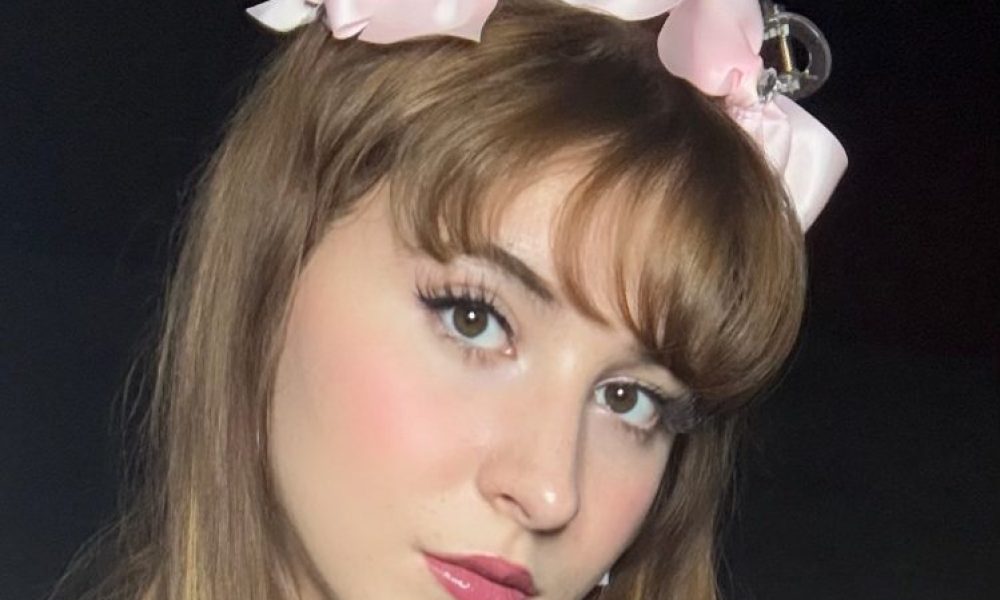
Japanese Pop music, or J-Pop, has long enchanted fans with its high-energy beats, vivid visuals, and cultural richness. While historically rooted in Japan’s domestic entertainment industry, the genre is experiencing a global renaissance—and the United States is listening more than ever. A fresh wave of J-Pop artists is making their mark on American charts, playlists, and stages, with Florida-born singer-songwriter Olivia Millin at the forefront of this movement.
Olivia Millin: From Florida to #1 on U.S. iTunes J-Pop Charts
Olivia Millin, a trailblazing bilingual artist, has emerged as one of the most talked-about new voices in J-Pop. Her latest single, “TTYL” (Talk To You Later), climbed to the top of the U.S. iTunes J-Pop chart following its February 14, 2025 release—a rare feat for a non-Japanese artist in the genre. Blending crisp J-Pop production with Western pop hooks and a sassy, empowering message, “TTYL” encapsulates Millin’s unique global appeal.
Inspired by acts like BLACKPINK, Kyary Pamyu Pamyu, and BabyMonster, Millin fuses Eastern and Western sensibilities in a way that feels both fresh and familiar. Her vocals transition seamlessly between English and Japanese, creating a dynamic listening experience for global audiences. The accompanying lyric video, full of neon aesthetics, has gone viral on social media platforms like TikTok and Instagram Reels—channels that continue to power the rise of international music genres in the West. A full production music video is on the way!
Millin’s success didn’t happen overnight. Her previous single, “Broken Piece of Joy,” topped the UK iTunes J-Pop chart, and her 2024 debut album Start Again introduced her genre-blending sound to a worldwide audience. Olivia’s growing discography is not only helping redefine what J-Pop can be but also proving that the genre’s boundaries are expanding across cultures.
J-Pop’s Growing American Fanbase
While K-pop has dominated international conversations for over a decade, J-Pop has been quietly building its own transnational momentum. Thanks to global streaming platforms, anime soundtracks, gaming collaborations, and international festival slots, U.S. fans now have more access than ever to J-Pop’s vibrant world.
According to music analytics firm Luminate, J-Pop consumption in the United States grew by nearly 30% from 2020 to 2024. This spike reflects a broader shift in listener habits: fans are seeking music that blends catchy production with imaginative artistry, regardless of language.
Other J-Pop Artists Finding Success in the States
The genre’s growing visibility in the U.S. isn’t due to Millin alone. Established and emerging Japanese artists alike are carving out space in the American market:
- YOASOBI, known for their literary-inspired lyrics and digital-era sound, have sold out venues across the U.S., including marquee appearances at Lollapalooza and Radio City Music Hall. Their hit track “Idol,” from the anime Oshi no Ko, earned massive streaming numbers and solidified their U.S. fanbase.
- Hikaru Utada, a J-Pop veteran and global icon, continues to bridge East and West with bilingual releases and her beloved Kingdom Hearts theme songs. Her 2022 album Bad Mode was praised by American critics and landed on several year-end lists.
- Official HIGE DANDism, with their soulful pop-rock fusion, saw their track “Pretender” featured across Japanese dramas and fan videos that went viral worldwide. The band recently made their U.S. live debut to a sold-out crowd in Los Angeles.
- Kaki4w, an indie UTAU-based producer from the U.S., has carved out a cult following by integrating vaporwave, electro-pop, and Vocaloid-style vocals—a style born in Japan but increasingly shaped by Western fans and creators.
Why U.S. Audiences Are Embracing J-Pop
Several key factors are contributing to the genre’s American breakthrough:
- Anime and Gaming Integration: Anime has been a powerful cultural bridge. J-Pop artists who record theme songs for popular series often find unexpected fans in the U.S. Likewise, J-Pop’s synergy with video game soundtracks (like Final Fantasy or Persona) has extended its reach.
- Streaming and Social Media: Platforms like Spotify, YouTube, and TikTok have removed gatekeepers, letting fans curate their own musical journeys. Hashtags like #JPopTok have helped push tracks like “TTYL” into virality among Gen Z users.
- Live Performances and Collaborations: Increased touring and artist collaborations with Western acts have humanized J-Pop stars and expanded their appeal. Whether performing at SXSW or collaborating with EDM producers, Japanese artists are now more present than ever in the U.S. live music circuit.
- Cultural Curiosity: Younger generations of American listeners are increasingly interested in global culture. J-Pop’s visual storytelling, fashion-forward imagery, and high-concept performances deliver the immersive experience many fans crave.
The Road Ahead
As J-Pop continues its ascent in the U.S., artists like Olivia Millin represent the next chapter in the genre’s evolution—one where cultural exchange, genre fusion, and international storytelling converge. Her breakout hit “TTYL” is more than just a catchy tune; it’s a signal that the American music landscape is opening its doors wider to voices from around the globe.
With strong fan engagement, chart success, and rising media visibility, the question is no longer if J-Pop has a place in American pop culture—it’s how far it will go from here. And if Olivia Millin’s trajectory is any indication, J-Pop’s star is only getting brighter.




