
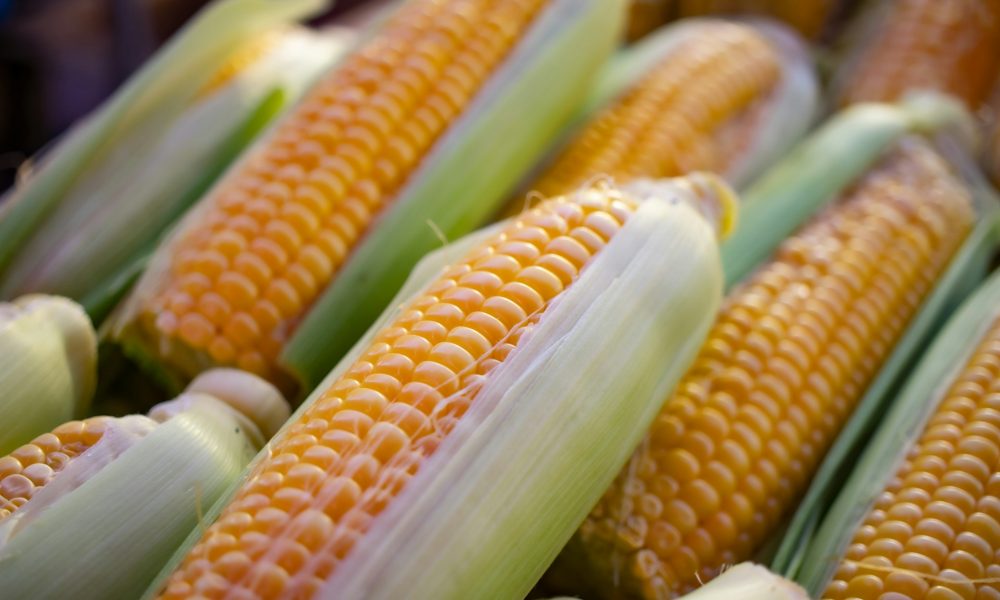
It’s normal for pet owners to obsess over their dog’s diet, scrutinizing every ingredient to ensure their dog receives the best nutrition possible. One ingredient that has sparked heated debates in the canine nutrition world is corn.
Is corn in dog food a blessing or a curse? Can your dog safely chomp down on those corn-containing kibbles? Learn about the impact of corn in dog diets and explore the alternative of high protein dog food as a healthy option for growing pups.
Corn in Dog Food
Corn has long been a staple ingredient in many commercial dog foods, but you might have heard conflicting opinions about its suitability for your dog. Critics argue that corn is a cheap filler with low nutritional value, while proponents defend its role as a source of energy, fiber, and essential nutrients.
However, it’s essential to sift through misinformation to understand the real impact of corn in dog food, and to set the record straight: corn in dog food isn’t inherently bad. In fact, corn can provide dogs with a variety of health benefits.
Its essential fatty acids and vitamins contribute to a well-rounded diet for dogs. Additionally, corn acts as a rich source of antioxidants and fiber, supporting digestion and overall gut health.
The Truth About Corn
Despite its advantages, corn should be fed in moderation. Excessive consumption can lead to unwanted weight gain and potential health issues. It’s important to strike a balance when including corn in your dog’s diet.
Consult with your veterinarian to determine the appropriate serving size for your dog’s specific needs, considering factors such as age, breed, and activity level.
A well-rounded diet consists of a mix of high-quality proteins, healthy fats, vitamins, and minerals. Corn can help achieve this balance, but it should not be the sole determining factor in your decision-making process.
Corn-Free Diets vs. Corn-Inclusive Diets
The rise of corn-free dog food options has sparked a wave of interest among pet owners looking to tailor their dogs’ diets to specific preferences or health needs. While a corn-free diet may be suitable for some dogs, it isn’t necessarily the magic solution for all. The choice between corn-inclusive and corn-free diets ultimately depends on your dog’s individual requirements.
Corn-free diets may be recommended for dogs with specific allergies or sensitivities to corn. In these cases, looking for alternative grain-free options can help alleviate any adverse reactions and promote better digestive health. For dogs without corn-related issues, a diet that includes corn can offer a cost-effective and nutrient-dense alternative to meet their dietary needs.
Corn Allergies in Dogs
For some dogs, corn can trigger allergies, leading to a range of symptoms that may include skin irritations, digestive disturbances, and respiratory issues. Identifying a corn allergy in your dog requires careful observation and sometimes consultation with a veterinarian.
If you suspect your dog is allergic to corn, consider transitioning them to a corn-free diet to alleviate their discomfort and improve their overall well-being. Remember, each dog is unique, and what works best for one may not necessarily apply to another.
The Road to Healthier Dog Food Choices
Transitioning to a healthier dog food diet involves careful consideration, research, and a dash of experimentation. High-protein diets can cater to your dog’s carnivorous nature, providing essential nutrients while supporting muscle growth and overall vitality.
When selecting dog food, prioritize products that feature real meat as the primary ingredient, steering clear of artificial additives and fillers that offer little to no nutritional value. As you strive to make healthier dog food choices, keep your dog’s individual needs in mind.
Factors such as age, activity level, and health status play a pivotal role in determining the most suitable diet for your dog. Be open to trying out different options and observe how your dog responds to the dietary changes. Remember, it’s all about finding the right balance that keeps your dog happy, healthy, and thriving.
Making Informed Choices for Your Dog
While corn can be a valuable component of your dog’s diet, moderation is key. Understanding your dog’s dietary requirements, acknowledging potential allergies, and exploring alternative options like high-protein dog food can pave the way for a healthier and happier pup.
Whether you choose a corn-inclusive diet or decide to go corn-free based on your dog’s specific needs, always prioritize quality, balanced nutrition above all else. By approaching your dog’s diet with diligence and care, you can ensure they enjoy a wholesome and nourishing mealtime experience that supports their overall well-being for years to come.




