
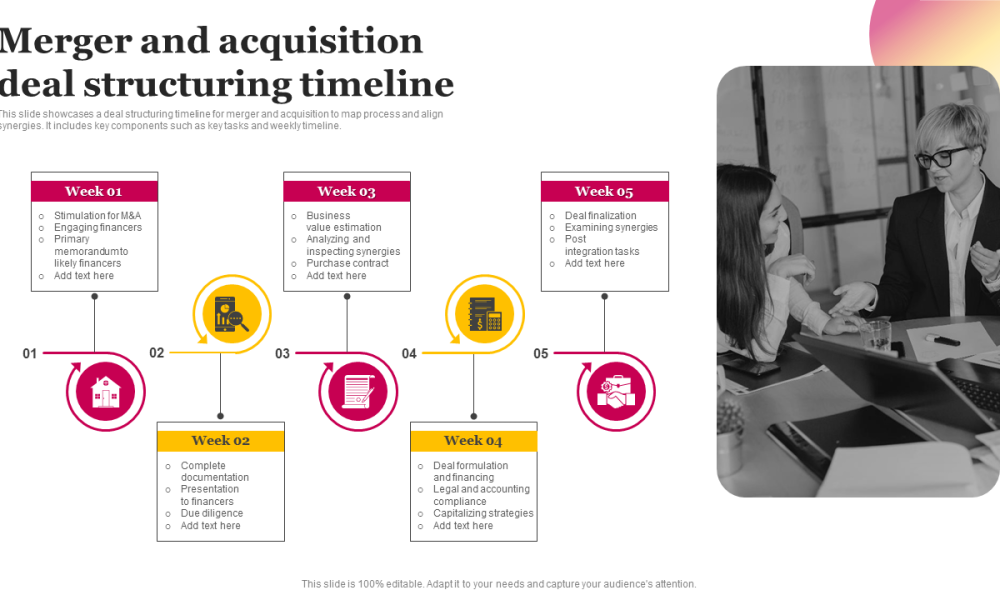
International corporate lawyers Netherlands mergers and acquisitions transactions involve bring a specific combination of Dutch corporate law expertise, EU regulatory knowledge, and cross-border deal structuring experience that neither purely American corporate attorneys nor purely domestic Dutch lawyers without international M&A backgrounds are fully equipped to provide. As American companies increasingly look to the Netherlands as a European market entry point — and as Dutch companies pursue American acquisitions and partnerships — the legal complexity of those transactions requires counsel that genuinely understands both sides of the deal rather than relying on coordinating between separate legal teams in each jurisdiction.
Why the Netherlands Is a Significant M&A Market
The Netherlands has become one of Europe’s most active M&A markets for several reasons that make it particularly relevant for American companies evaluating European strategies. Its tax treaty network — including a longstanding and comprehensive treaty with the United States — makes it a favorable jurisdiction for holding structures. Its stable legal system, English-language business culture, and strategic location within the EU create practical advantages for European headquarters and acquisition vehicles. And its developed financial sector and concentration of multinational companies create a deal pipeline that consistently attracts international acquirers.
For American companies acquiring Dutch businesses, these advantages create genuine opportunity — and genuine complexity around how Dutch corporate law, employee rights in M&A transactions, and EU competition regulations interact with the American buyer’s expectations about deal process, timeline, and post-closing integration.
Dutch Corporate Structure and What It Means for Deals
The most immediately relevant Dutch corporate law consideration in M&A transactions is the structure of the target entity — specifically whether it’s organized as a BV (besloten vennootschap, a private limited company) or an NV (naamloze vennootschap, a public limited company), and what governance rights those structures create for shareholders, management boards, and supervisory boards.
Dutch companies with two-tier board structures — both a management board executing the business and a supervisory board providing oversight — require deal processes that account for both boards’ roles in approving a transaction. Works councils, which represent employee interests in companies meeting certain size thresholds, have mandatory consultation rights in M&A transactions that affect their constituency — and those consultation rights have specific procedural requirements and timelines that can affect transaction structure and closing dates in ways that American buyers without Dutch M&A experience don’t anticipate.
International corporate lawyers who have structured Dutch acquisitions understand how to build those consultation processes into the deal timeline rather than discovering them as complications after signing.
Due Diligence in Dutch Transactions
Legal due diligence for Dutch target companies covers the same fundamental categories as American due diligence — corporate structure and governance, material contracts, intellectual property, employment arrangements, litigation and regulatory exposure — but the substance of what’s being evaluated differs significantly in several categories.
Dutch employment law creates arrangements that differ substantially from American at-will employment — collective labor agreements, statutory notice periods, works council rights, and severance entitlements that don’t exist in American employment create post-closing integration complexity for American buyers who underestimate the difference. Real estate arrangements including ground leases, which are common in Dutch cities, create long-term obligations that affect enterprise value in ways that need to be identified and quantified during due diligence rather than discovered post-closing.
Regulatory due diligence in Dutch transactions also needs to account for EU-level requirements that have no direct American equivalent — GDPR data compliance obligations, sector-specific EU regulations, and the EU competition law framework that may require notification and approval for transactions above certain size thresholds.
Deal Structuring and Closing Mechanics
The mechanics of closing a Dutch M&A transaction differ from American closing practice in ways that reflect the Netherlands’ civil law foundation. Share transfers in Dutch BV and NV companies require a notarial deed executed by a Dutch notary — the same neutral legal professional who handles property transactions — rather than the closing documentation exchange model that American transactions use. That requirement affects the closing timeline and logistics in ways that need to be planned for rather than accommodated at the last moment.
Purchase price adjustment mechanisms, representations and warranties structures, and indemnification frameworks all operate under Dutch contract law principles that differ from American M&A practice in specific ways — some more protective of sellers than American equivalents, some creating different risk allocations than American buyers expect. Getting commercial law advice from counsel who understands both frameworks allows deal structures that reflect the parties’ actual risk allocation intentions rather than creating ambiguities that don’t resolve the way either side expected.
Post-Closing Integration Considerations
The post-closing integration of a Dutch acquisition into an American corporate structure involves ongoing legal considerations that extend well beyond the deal itself. Dutch employee rights in organizational restructuring, compliance with Dutch and EU employment law in workforce changes, and the continuing obligations of Dutch corporate governance in the acquired entity all require ongoing legal support that understands the Dutch context rather than simply applying American post-acquisition integration playbooks.
For American companies that have completed their first Dutch acquisition, building a relationship with international corporate lawyers Netherlands who can provide that ongoing support — rather than returning to deal counsel only when the next transaction arises — produces better compliance outcomes and fewer surprises in the years following the transaction.




