
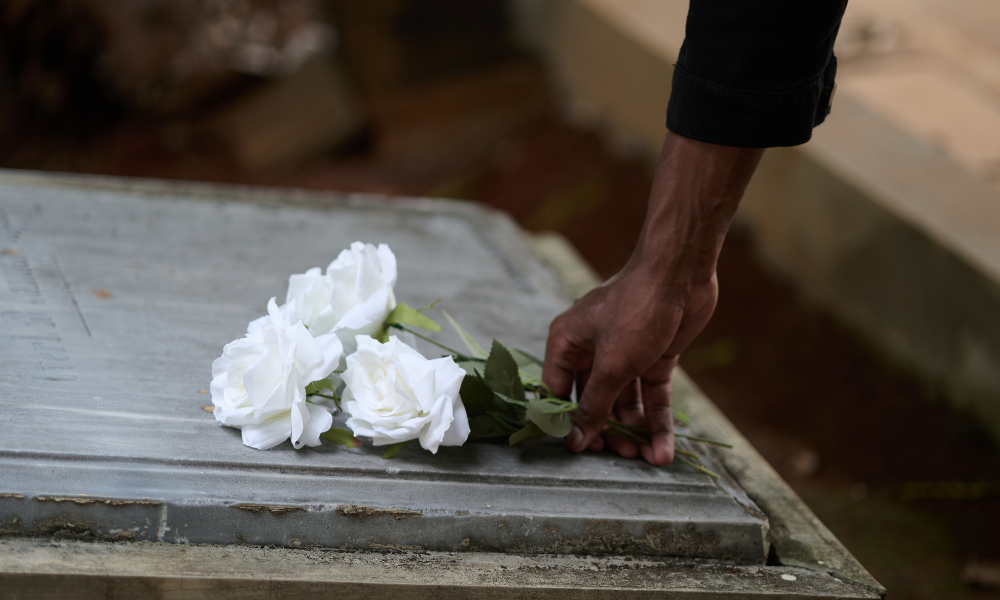
The phone call usually comes at night or early in the morning. When a loss happens, the immediate reaction is emotional—shock, grief, and disbelief. But almost immediately after the emotion hits, the logistics set in. In the past, families largely lived in the same town or county. You called the local funeral home, they set a date for three days later, and everyone drove over.
Today, that is rarely the case. We are a mobile society. Your brother might be in London, your parents in Florida, and your cousins scattered across the West Coast. When a loved one passes, the pressure to gather everyone in one place on a tight timeline can turn grief into a logistical nightmare of last-minute flights, expensive hotels, and panic.
This is why the traditional timeline is changing. Families are realizing that the funeral and the burial do not have to happen on the same day. By opting for a direct cremation to handle the immediate physical needs of their loved one, families buy themselves the most valuable asset in the grieving process: time.
Time allows you to breathe. It allows you to plan. And most importantly, it allows you to design a memorial that actually accommodates the people who need to be there, rather than forcing them to scramble.
If you are tasked with planning a service for a dispersed family, here is how to bridge the miles and create a meaningful gathering that includes everyone.
Separate the Event from the Immediate Need
The biggest stressor for out-of-town families is the “Three-Day Rule.” If you hold a service 72 hours after a death, you are asking grieving people to drop everything, pay premium prices for last-minute airfare, and navigate complex work/childcare schedules instantly.
The most inclusive move you can make is to schedule the memorial for the future.
- The Month-Out Strategy: Scheduling a service 4 to 6 weeks out gives people time to find affordable travel and request time off.
- The Season Strategy: If a loved one passes in February, consider waiting until late spring. Not only is travel safer (avoiding blizzards that cancel flights), but a spring memorial often feels more hopeful and allows for outdoor gatherings.
By explicitly telling your family, “We are handling the cremation now, but the memorial will be in six weeks,” you will hear an audible sigh of relief from the other end of the phone line.
Doing Virtual Right
During the last few years, we all got used to “Zoom funerals.” While they served a purpose, looking at a grainy laptop screen while a camera sits in the back of a church or funeral home is a disconnecting experience.
If you have family who physically cannot travel due to health or finances, you need to upgrade the virtual experience. Don’t just set up a phone on a tripod.
- Hire a Pro (or a Tech-Savvy Teenager): Assign one person whose only job is the livestream. They should move the camera. They should check the audio.
- Two-Way Interaction: Don’t just let them watch; let them speak. Set up a screen where the in-person attendees can see the remote family. Allow a remote family member to deliver a eulogy or a reading via the screen.
- The Digital Usher: Designate a family member to sit in the chat room of the stream, greeting people, answering questions (“Who is speaking now?”), and collecting stories typed in the comments to read aloud later.
Crowdsource the Memories Before the Service
One of the best parts of a memorial is the storytelling—the “I didn’t know he did that!” moments. Usually, these happen in the hallway. For out-of-towners, you need to digitize this process.
Create a digital memory board weeks before the event.
- The Ask: Ask family members to upload their favorite photos, videos, or written stories.
- The Result: You can compile these into a slideshow to play at the service. This allows the cousin in California to have their photos featured prominently, making them feel like a core part of the narrative even if they are miles away.
Logistics as a Love Language
If people are flying in, they are vulnerable. They are grieving, they are tired, and they are in an unfamiliar city. The best way to care for them is to act as a concierge.
Don’t make them figure it out.
- The Hotel Block: Negotiate a rate at a hotel near the venue. Having everyone in one place also creates a hub where the family can gather informally for breakfast or late-night drinks, which is often where the real healing happens.
- The Transport Plan: If you have elderly relatives flying in, arrange their airport pickup. Don’t let your 80-year-old aunt navigate a rideshare app at a busy terminal. Assign a local cousin to be the airport runner.
- The Day-Of Itinerary: Send a clear schedule. “Service at 11:00, Lunch at 1:00, Family gathering at Mom’s house at 5:00.” Uncertainty breeds anxiety; clarity brings calm.
Take the Funeral to the Family
Sometimes, the hub isn’t where the family is. If the deceased lived in Florida, but the entire extended family lives in Ohio, why have 50 people fly to Florida?
It is perfectly acceptable to hold the memorial in the family’s home base, rather than the place of death. Or, consider a two-part approach.
- The Local Toast: A small, informal dinner for their local friends and neighbors in their current city.
- The Family Service: A larger, traditional memorial back home where the roots are deep.
Since you aren’t bound by the location of a casket, you have the flexibility to bring the memorial to the people who need it most.
Send a Physical Piece of the Service
For those who truly cannot make it, a digital link isn’t enough. They need something tactile.
After the service, send care packages to the absent family members.
- The Program: A high-quality printed program or prayer card.
- The Memento: If you gave out seed packets, a favorite recipe card, or a small keepsake at the service, ensure they get one.
- The Flowers: If you have large floral arrangements, dry some of the petals (or press the flowers) and send them in a card.
This physical connection bridges the gap. It says, “You were missed, and you are still part of this circle.”
Planning a memorial across time zones is a challenge, but it is also an opportunity. It forces us to be intentional. By removing the rush and focusing on accessibility, you can create a farewell that doesn’t just check a box, but genuinely unites a family—no matter how far apart they might be.