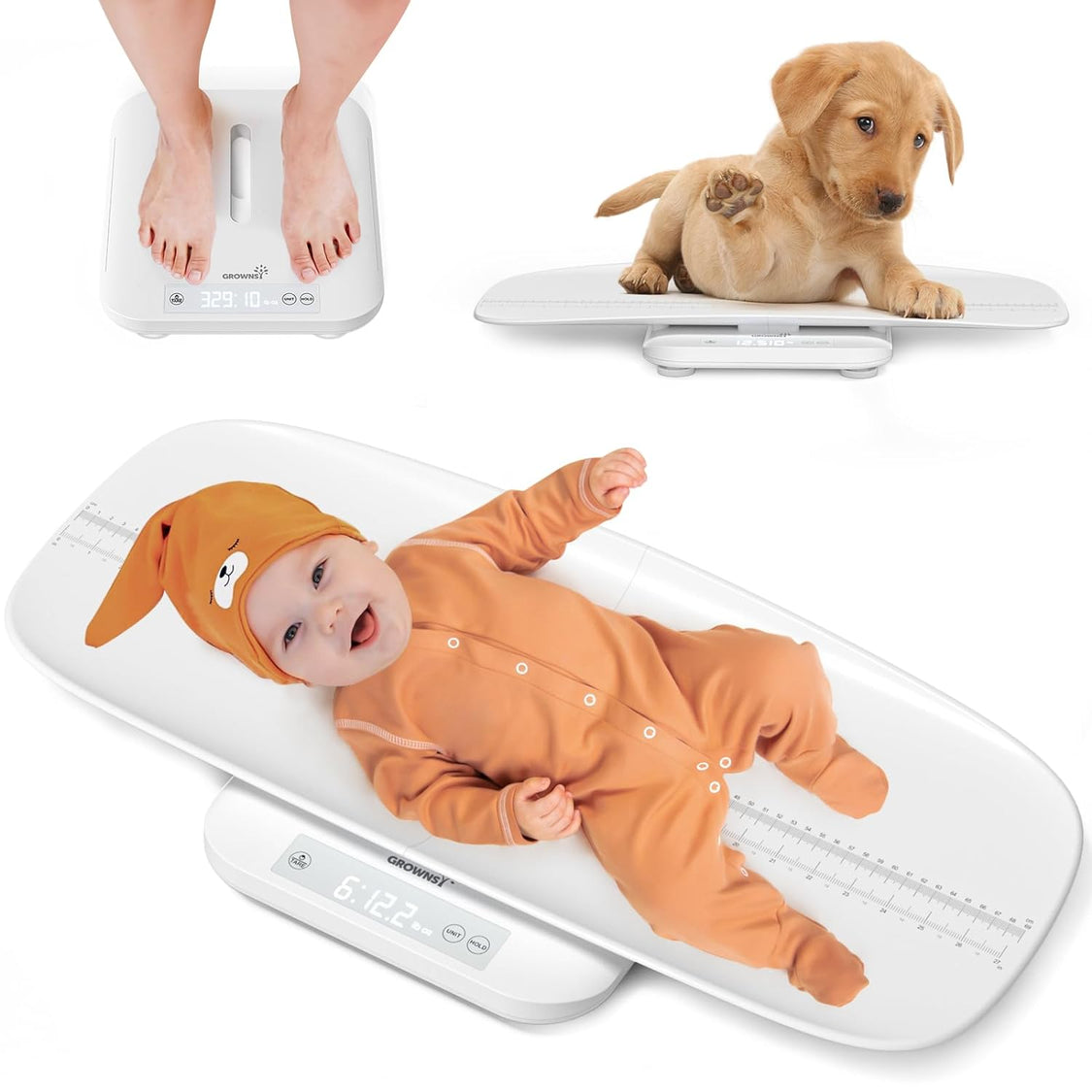
However, not all baby scales are created equal. The perfect scale needs to deliver hospital-grade accuracy while being simple enough for sleep-deprived parents to use correctly. It should accommodate a squirming infant, provide clear readings, and ideally offer features that grow with your child. Choosing the right baby weight scale means finding a balance between precision, practicality, and ease of use—ensuring you can confidently monitor your little one’s growth without adding stress to your parenting routine.
Understanding Your Needs
Before investing in a baby weighing scale, take time to assess your specific situation and requirements. New parents with premature babies or infants facing feeding challenges often need more frequent monitoring than those with healthy, full-term babies. If your pediatrician has recommended tracking weight gain closely due to breastfeeding concerns, reflux, or slow growth, a home scale becomes an essential tool rather than a convenience. Consider how long you’ll use the device—some families only need it during the first few months, while others prefer tracking growth through toddlerhood.
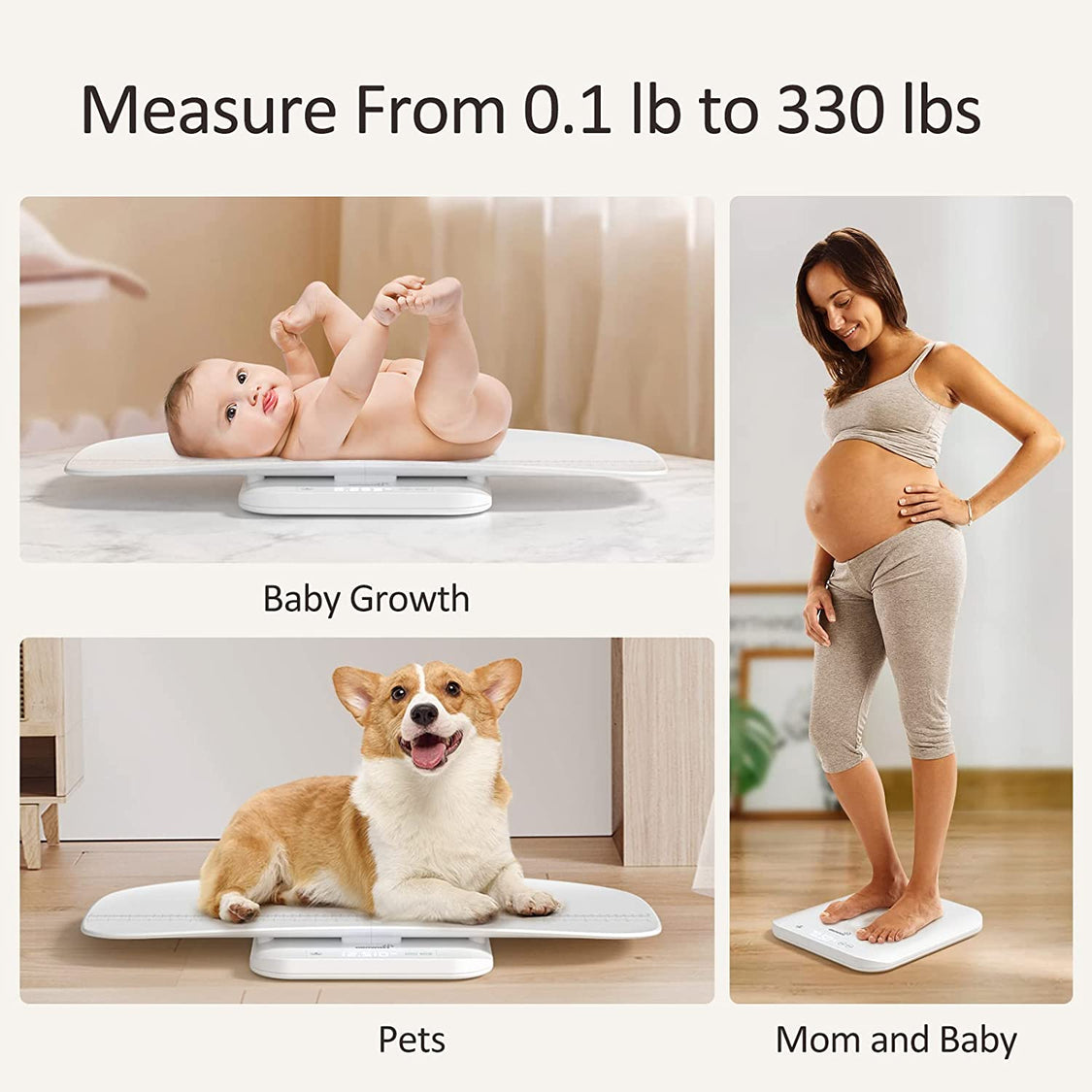 Think about where you’ll place and store the scale. A compact, lightweight model works well in smaller homes or apartments, while families with dedicated nursery space might prefer a larger, more permanent setup. Multifunctional features can extend the scale’s usefulness beyond simple weight measurement. Some models include length measurement trays, built-in growth tracking apps, or the ability to weigh toddlers standing up. If you’re tech-savvy and enjoy data tracking, look for scales with Bluetooth connectivity and smartphone integration. However, if you prefer simplicity, a straightforward digital display without complicated features might better suit your lifestyle. Understanding these personal needs upfront helps narrow your options and prevents overspending on unnecessary capabilities.
Key Features to Consider
Accuracy stands as the most critical feature in any baby weight scale. Look for models that measure in small increments—ideally 0.1 ounces or 5 grams—since newborns can gain as little as half an ounce per day. Medical-grade scales offer the precision needed to detect subtle changes that might indicate feeding issues or health concerns. Many quality scales include a tare function, allowing you to zero out the weight of a blanket or diaper, ensuring you’re measuring only your baby’s actual weight.
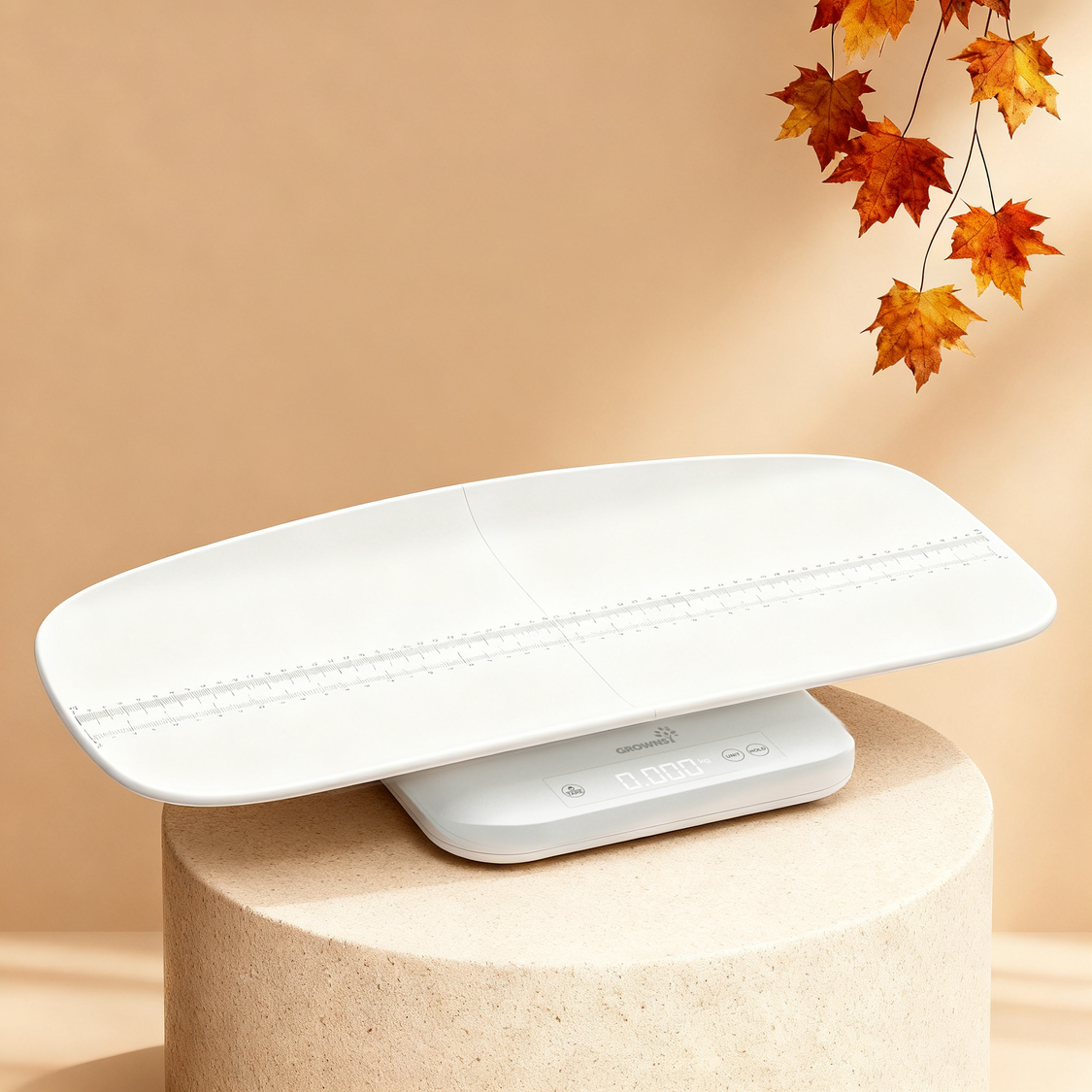 The weighing surface should be spacious enough to accommodate a growing infant comfortably. A contoured tray with raised sides helps keep your baby secure and prevents rolling, which is essential for both safety and accurate readings. Some scales feature a hold function that calculates an average weight even when your baby is moving, eliminating the frustration of trying to get a squirming infant to stay still. Display readability matters more than you might think—large, backlit screens with clear numbers make it easy to read measurements quickly, even in dim nursery lighting during nighttime checks.
Weight capacity determines how long the scale remains useful. Basic models typically max out around fifteen to twenty pounds, suitable only for young infants. Convertible scales that transition from a baby tray to a platform for toddlers can weigh children up to forty-four pounds or more, providing years of service. Digital memory functions that store previous measurements help you track growth trends without maintaining separate records. Battery life and power options also deserve attention—scales that offer both battery and AC adapter options provide flexibility and prevent interruptions during use.
Brand and Quality Matter
Established manufacturers with a track record in medical or baby care equipment typically produce more reliable scales than unknown brands. Companies specializing in infant health products invest in research, quality control, and precision engineering that directly impacts measurement accuracy. Well-known brands also tend to offer better customer service, replacement parts, and warranty support when issues arise. While lesser-known manufacturers may offer tempting prices, the risk of calibration problems or premature failure often outweighs initial savings.
The materials used in construction reveal much about a scale’s quality and longevity. High-grade ABS plastic resists cracking and warping over time, while stainless steel components in the weighing mechanism ensure consistent accuracy. Examine the tray surface carefully—it should be smooth, seamless, and easy to sanitize without crevices where bacteria can hide. Quality scales feature sturdy, non-slip feet that keep the device stable on various surfaces, preventing wobbling that could affect readings or pose safety risks.
Certifications and compliance standards provide objective quality indicators. Look for scales that meet medical device standards or have been tested by independent laboratories. Some manufacturers design their products to align with pediatric guidelines, ensuring the precision needed for clinical-level monitoring. Reading the fine print about calibration procedures and accuracy guarantees helps distinguish professional-grade equipment from basic consumer products. Quality manufacturers also provide clear documentation about testing procedures, accuracy tolerances, and proper usage instructions, demonstrating their commitment to producing reliable measurement tools for your baby’s health tracking needs.
Reading Reviews and Feedback
Real-world experiences from other parents provide invaluable insights that specification sheets and marketing materials simply cannot convey. Online reviews reveal how scales perform over months of daily use, highlighting durability issues, calibration drift, or design flaws that only become apparent with time. Pay particular attention to feedback from parents in similar situations—those tracking premature infant weight gain, managing breastfeeding challenges, or monitoring twins will offer perspectives directly relevant to your needs.
Look beyond star ratings to read detailed comments about specific features and performance. Parents often mention whether the hold function works effectively with active babies, if the display remains readable in various lighting conditions, or whether customer service responded helpfully to problems. Negative reviews deserve careful examination, but consider the context—a complaint about limited weight capacity matters less if you only need the scale for the first six months. Recurring issues mentioned across multiple reviews signal genuine problems, while isolated complaints might reflect user error or unrealistic expectations.
Parenting forums, social media groups, and pediatric websites often feature candid discussions about baby scales where parents share unfiltered opinions and practical tips. These communities can answer specific questions about compatibility with other products, cleaning challenges, or accuracy compared to pediatrician scales. Don’t hesitate to ask questions directly—experienced parents typically enjoy helping others navigate product decisions, and their collective wisdom can prevent costly purchasing mistakes while steering you toward models that truly deliver on their promises.
Budget Considerations
Baby weight scales span a wide price range, from basic models under fifty dollars to professional-grade equipment costing several hundred. While budget constraints are real for most families, viewing a quality scale as a health investment rather than a luxury purchase helps put the cost in perspective. A reliable scale that accurately tracks your baby’s growth can alert you to feeding issues early, potentially preventing costly medical interventions or extended hospital stays. The peace of mind that comes from confident home monitoring is difficult to quantify but genuinely valuable during the stressful newborn period.
Mid-range scales typically offer the best balance between accuracy and affordability for most families. These models usually include essential features like precise measurements, tare functions, and adequate weight capacity without expensive extras you may never use. Evaluate which premium features genuinely serve your needs—Bluetooth connectivity and app integration appeal to data-driven parents but add cost without improving basic measurement accuracy. Convertible designs that transition from infant to toddler use justify higher prices by extending usability across several years, effectively lowering the cost per use compared to cheaper models you’ll quickly outgrow.
Consider timing your purchase strategically to maximize value. Registry discounts, seasonal sales, and bundle deals can significantly reduce costs on quality models. Some parents find excellent deals on gently used scales through parenting groups or consignment sales, though verify calibration accuracy before purchasing secondhand equipment. Remember that the cheapest option often becomes expensive when it fails prematurely or provides unreliable readings that cause unnecessary worry. Investing in a dependable scale from a reputable manufacturer ultimately costs less than replacing inferior products or making extra pediatrician visits due to measurement concerns at home.
Maintenance and Durability
A baby weight scale requires regular cleaning to maintain hygiene, especially since infants often have diaper leaks or spit-up during weighing. Choose models with smooth, non-porous surfaces that wipe clean easily with standard disinfectant wipes or mild soap solutions. Avoid scales with fabric components or deep crevices that trap moisture and bacteria. Removable trays that can be washed separately offer the most thorough cleaning option, though they should reattach securely without affecting calibration. Some scales feature antimicrobial coatings that resist bacterial growth between cleanings, providing an extra layer of protection for your baby’s health.
Durability determines whether your scale survives the demands of daily use with young children. Solid construction withstands the inevitable bumps and drops that occur in busy households, while flimsy plastic components crack or break easily. Check that buttons and controls are recessed or protected to prevent damage from curious toddler hands. Quality scales maintain calibration accuracy over time without requiring frequent professional adjustments. Store your scale on a flat, stable surface away from extreme temperatures and humidity, which can damage electronic components and affect measurement precision. Periodically verify accuracy by weighing a known object, such as a bag of flour, to ensure the scale still provides reliable readings. Investing in a durable model that withstands years of use proves more economical than repeatedly replacing cheaper alternatives that fail prematurely.
Safety and Accuracy
Safety features protect your baby during weighing sessions while ensuring you can focus on obtaining accurate measurements. A stable, wide base prevents tipping, even when your infant shifts position or reaches toward the edges. Non-slip feet keep the scale firmly planted on countertops, changing tables, or floors, eliminating dangerous sliding that could lead to falls. The weighing tray should include raised edges or gentle contours that cradle your baby securely without restricting movement entirely. Some models incorporate safety straps or restraints, though these should never replace direct supervision during weighing.
Measurement accuracy directly impacts your ability to monitor your baby’s health effectively. Even small discrepancies can mask slow weight gain or create false concerns about development. Professional-grade sensors maintain precision across the entire weight range, delivering consistent results whether your baby weighs six pounds or twenty. Regular calibration checks ensure continued accuracy—quality scales include instructions for verification using household items of known weight. Temperature stability matters too, as extreme heat or cold can affect electronic components and skew readings. Allow the scale to acclimate to room temperature before use if it has been stored in a garage or basement.
Automatic shutoff features conserve battery life but should allow sufficient time to position your baby and obtain a stable reading without rushing. The hold or lock function becomes crucial for safety and accuracy when weighing active infants who won’t lie still. This feature captures and averages multiple readings during movement, providing reliable measurements without requiring you to restrain your baby forcefully. Clear error messages alert you to problems like uneven surfaces or calibration issues before you rely on potentially inaccurate data. Choosing a scale that prioritizes both safety mechanisms and measurement precision ensures you can confidently track your baby’s growth without compromising their wellbeing during the weighing process.
User-Friendly Design
Intuitive design makes the difference between a scale you use confidently and one that sits unused in a closet. The control panel should feature clearly labeled buttons with logical placement that allows one-handed operation while you steady your baby with the other hand. Overly complicated menus and confusing button sequences frustrate parents who need quick measurements during busy days. The best scales power on instantly and display weight within seconds, eliminating unnecessary waiting while holding a fussy infant. Unit conversion buttons let you switch between pounds, ounces, kilograms, and grams effortlessly, accommodating different preferences or pediatrician requirements without mathematical calculations.
Portability enhances usability for families who weigh babies in different locations or need to transport the scale to appointments. Lightweight construction and compact dimensions make storage simple in small spaces, while built-in handles or carrying cases facilitate movement between rooms. The display angle matters more than many realize—screens tilted toward the user remain visible even when your baby’s body blocks a flat display. Some thoughtful designs, such as those found in models from brands like Grownsy, include memory recall functions accessible through simple button presses, letting you compare today’s weight against previous measurements without consulting separate records. A scale that integrates seamlessly into your daily routine through considerate design choices becomes a helpful tool rather than a frustrating chore, encouraging consistent monitoring that supports your baby’s healthy development.
Warranty and Support
A comprehensive warranty demonstrates a manufacturer’s confidence in their product and protects your investment against defects or premature failure. Quality baby scales typically include warranties ranging from one to three years, covering manufacturing defects, calibration issues, and component failures under normal use. Read warranty terms carefully to understand what’s covered and what actions might void protection, such as dropping the scale or exposing it to water damage. Some companies offer extended warranty options for additional cost, which can provide worthwhile peace of mind for expensive professional-grade models you plan to use extensively.
Responsive customer support becomes invaluable when you encounter problems or have questions about proper use and calibration. Look for manufacturers that provide multiple contact methods—phone support, email, and live chat—with reasonable response times. Companies with detailed online resources, including video tutorials, troubleshooting guides, and FAQ sections, empower you to resolve minor issues independently without waiting for assistance. Before purchasing, test customer service by asking a question about the product to gauge their knowledge and helpfulness. A company that stands behind its products with accessible support and fair warranty terms demonstrates commitment to customer satisfaction beyond the initial sale.
Making Your Final Decision
Selecting the perfect baby weight scale requires careful consideration of accuracy, safety, durability, and user-friendly features that match your family’s specific needs. By prioritizing medical-grade precision, solid construction, and intuitive design, you can find a reliable tool that provides peace of mind throughout your baby’s critical growth stages. Remember that a quality scale represents an investment in your child’s health monitoring, offering the ability to track development between pediatrician visits and quickly identify any concerns that require professional attention. Take time to research brands, read reviews from other parents, and evaluate which features will genuinely enhance your ability to monitor your baby’s progress effectively. With the right scale in your home, you’ll have the confidence to track your little one’s growth journey accurately and consistently, supporting their healthy development every step of the way.