
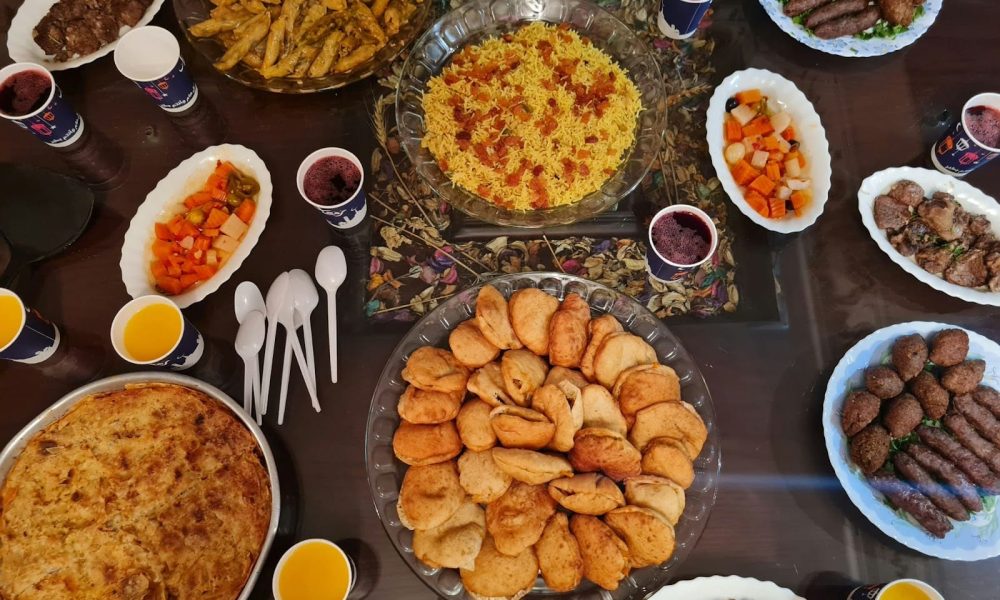
What is Culinary Migration and How Does it Shape Our World of Flavors?
Culinary migration is a powerful phenomenon that shapes our food world, often without us noticing. It occurs when culinary traditions cross borders, brought by people from different places, and integrate with local cuisines. This process is not just an exchange of recipes; it is a profound change in the way we experience food.
When people migrate, they bring with them the tastes of home, the memories associated with certain dishes, and the techniques passed down from generation to generation. As a result, culinary migration changes the global food culture, creating spectacular fusion cuisines and diversifying our culinary experiences. It allows us to taste the world without leaving the neighborhood, and enriches our lives with new flavors, aromas, and textures.
How Has the Migration of Peoples Influenced the Development of Cuisines Throughout History?
The migration of peoples has served as a major driving force in the development of cuisines throughout history, shaping the flavors and ingredients we know today. Population movements, whether as a result of trade, conquest, or the search for a better life, have always led to significant cultural exchanges, which have also been reflected in the culinary field.
Ancient trade routes, such as the Silk Road and the Columbian Exchange, played a crucial role in spreading ingredients and cooking techniques between different cultures. For example, the tomato, which originally came from South America, became a staple in Italian cuisine only after the Columbian Exchange. Similarly, spices from the Far East reached Europe via the Silk Road, enriching the flavors of local dishes.
The colonial era also contributed to the spread of European culinary influences around the world. Colonial powers assimilated their eating habits and agricultural practices in the conquered areas, creating new cuisines that were influenced by both European traditions and local ingredients.
In addition, labor migration and diaspora communities have contributed to the spread of cuisines to new regions. Workers from India and China, for example, introduced their cuisines to the Caribbean, South America, and Southeast Asia, creating unique hybrid cuisines. Notable examples include Creole cuisine, Vietnamese variations such as Pho and Banh Mi, and Middle Eastern dishes such as hummus and falafel, which have become popular worldwide.
Thus, the migration of peoples throughout history has served as a driving force for the creation of culinary diversity, leading to the spread of flavors, ingredients, and cooking techniques between different cultures.
What is Fusion Cuisine and Why is it Flourishing in the Global Era?
Fusion cuisine is a harmonious combination of different culinary traditions, creating new and exciting dishes that combine flavors and techniques from diverse cuisines. In the global era, fusion cuisine is particularly flourishing, thanks to the increasing accessibility of international ingredients, the accelerated cultural exchange, and the desire of people to experience new and unique flavors.
Migration serves as a catalyst for the creation of fusion cuisine, as immigrants bring their culinary heritage to new places, and adapt their traditional dishes to the local environment. They incorporate local ingredients and use new cooking techniques, creating unique variations of familiar dishes. Notable examples include Tex-Mex cuisine, Korean-Mexican cuisine, and Korean-American fusion cuisine.
Fusion cuisine reflects cultural integration and the redefinition of culinary authenticity. In an era where geographical boundaries are blurring, fusion cuisine celebrates the meeting of cultures, offering an innovative and exciting culinary experience. It allows us to taste the world in one dish, and enjoy unexpected combinations of flavors and textures.
In addition, glocalization, the integration of global and local elements in the field of food, also contributes to the flourishing of fusion cuisine. Many restaurants use this technique to appeal to diverse tastes, while maintaining a consistent brand identity. If you want to learn more about this fascinating phenomenon, you can read more about culinary migration.
In conclusion, fusion cuisine is a culinary expression of globalization, combining different culinary traditions and creating new and exciting dishes. It reflects cultural integration and the desire of people to experience new and unique flavors, offering a global culinary experience in one dish.
How Do Globalization and Migration Increase the Diversity of Food in the World?
Globalization and migration are two complementary forces that significantly increase the diversity of food in the world. Globalization, with the advancement of technology and trade, accelerates culinary exchanges between countries and cultures, while migration brings new flavors, ingredients, and cooking techniques to different regions.
Globalization allows increased access to diverse ingredients and dishes around the world. International trade agreements and the growth of multinational food corporations contribute to a wider variety of foods being available to consumers worldwide. Today, exotic fruits, specialty cheeses, and unique ingredients can be found relatively easily, allowing restaurants and home cooks to experiment with different cuisines and create new and interesting dishes.
In addition, social networks and food media play an important role in spreading culinary knowledge and disseminating trends. Blogs, videos, and Instagram accounts dedicated to food enable rapid exchange of recipes and cooking techniques between people around the world. Thus, new culinary trends spread quickly, encouraging culinary diversity and creativity.
Migration, for its part, enriches menus and increases understanding of national cuisines. Immigrants bring their culinary traditions to new places, and integrate into the local culture. Generation Z and the generation after, which are made up of a higher percentage of people with at least one immigrant parent, broaden our understanding of national food.
Diaspora communities preserve and disseminate their heritage cuisines through restaurants, markets, and organizations. They pass on knowledge and skills from generation to generation, ensuring the survival of cultural culinary traditions. Thus, food serves as a tool for cultural exchange and understanding, and strengthens ties between different communities.
What Challenges and Opportunities Does Culinary Migration Bring?
Culinary migration, like any global phenomenon, brings with it both opportunities and challenges. On the one hand, it enriches food culture, creates new and interesting dishes, and provides economic opportunities for immigrants in the food industry. On the other hand, it can lead to loss of culinary integrity, commercialization of traditional cuisines, and cultural appropriation.
One of the main opportunities is the enrichment of food culture. Culinary migration brings a wide variety of flavors, ingredients, and cooking techniques to new regions, allowing people to experience different cuisines and learn about other cultures. It encourages culinary creativity and innovation, and leads to the creation of fascinating fusion dishes that combine different traditions.
In addition, culinary migration provides economic opportunities for immigrants in the food industry. Restaurants, food stalls, and ethnic markets allow immigrants to showcase their culinary heritage, create jobs, and contribute to the local economy. Many immigrants manage to establish successful businesses in the food sector, and improve their lives and the lives of their communities.
However, culinary migration also poses challenges. One of the challenges is the potential for loss of culinary integrity. When traditional cuisines are adapted to local tastes or commercialized, they may lose some of their uniqueness and authenticity. It is important to maintain a balance between culinary innovation and the preservation of authentic culinary traditions.
Another challenge is cultural appropriation. When elements from a particular cuisine are used without sensitivity and respect for the source, it can harm the original culture. It is important to approach fusion cuisine with respect and appreciation for the different culinary traditions, and to avoid exploiting or trivializing other cultures.
In conclusion, culinary migration brings many opportunities to enrich food culture and create economic opportunities, but also challenges such as loss of culinary integrity and cultural appropriation. It is important to strive for a balance between global trends and the preservation of local food cultures, and to approach fusion cuisine with respect and appreciation for the different culinary traditions.
In Conclusion: Culinary Migration as an Engine of Innovation and Culinary Diversity
In conclusion, culinary migration is a powerful force that shapes our food world. It drives innovation and culinary diversity, and allows us to experience new and diverse flavors, ingredients, and cooking techniques.
Migration fosters diversity, fusion, and culinary evolution, and enriches our culinary experiences. It allows us to taste the world in one dish, and enjoy unexpected combinations of flavors and textures.
Food remains a powerful expression of culture and identity in a global world. It connects people, perpetuates traditions, and provides economic opportunities. Therefore, it is important to continue to foster culinary exchanges, while maintaining respect and appreciation for the different culinary traditions.




