
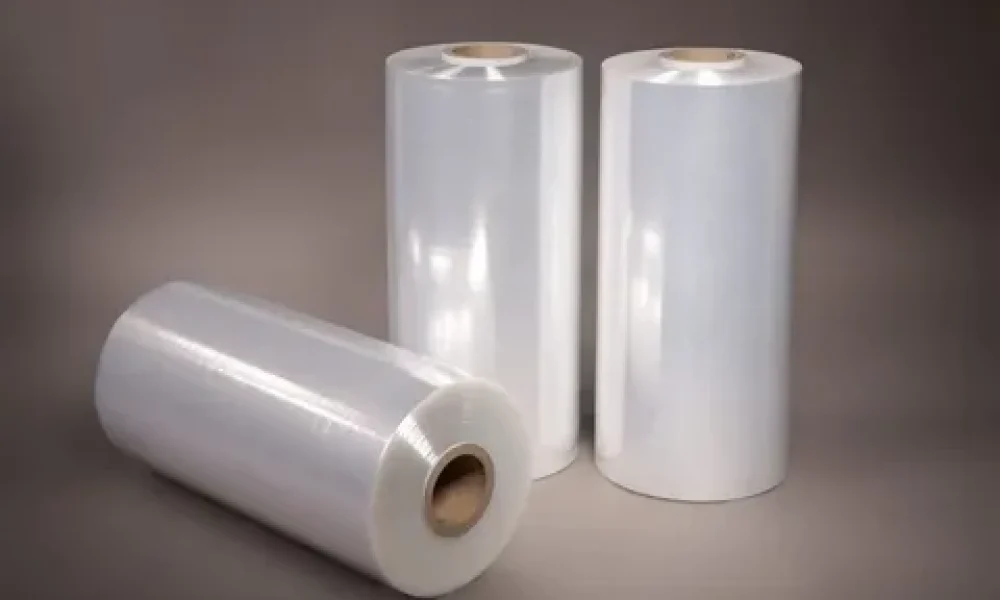
The global nylon films for liquid packaging market is entering a new era of growth, driven by changing consumer preferences, technological advancements, and increasing demand for sustainable packaging solutions. Valued at USD 432.5 million in 2024, the market is projected to reach USD 604.3 million by 2034, reflecting a steady compound annual growth rate (CAGR) of 3.4%. Rising urbanization, the proliferation of packaged foods, and the adoption of eco-friendly materials are key factors propelling the market forward.
Evolving Consumer Preferences and Packaging Trends
Consumer lifestyles, particularly in urban regions, have undergone a significant transformation, leading to greater reliance on packaged food and beverages. Nylon films have emerged as a preferred material for liquid packaging due to their superior barrier properties, durability, and flexibility compared to alternative materials. This preference is reflected in the growing investment by major packaging manufacturers, who are leveraging nylon films to improve product quality, longevity, and visual appeal.
The trend towards convenience-driven packaging is accelerating market adoption. Consumers increasingly seek on-the-go formats, which has encouraged manufacturers to design compact, lightweight, and visually engaging packaging using nylon films. With their ability to accommodate sophisticated printing, interactive graphics, QR codes, NFC tags, and intelligent sensors, nylon films help companies communicate product quality, authenticity, and brand identity more effectively.
Full Market Report available for delivery. For purchase or customization, please request here:
https://www.futuremarketinsights.com/reports/sample/rep-gb-6124
Nylon-6 Dominates the Market
Among various nylon types, Nylon 6 is leading the market, accounting for a projected 62.2% share in 2024. Its popularity is attributed to its cost-effectiveness, versatility, and excellent balance of mechanical properties, chemical resistance, and processing efficiency. Manufacturers favor Nylon 6 for its suitability across diverse industries, including food and beverages, personal care, and pharmaceuticals, allowing them to optimize production costs without compromising on quality.
Beverage Industry Drives Demand
The beverage sector is emerging as a key consumer of nylon films for liquid packaging, anticipated to hold a 34.1% market share in 2024. The global rise of energy drinks, sugar-free beverages, and specialty drinks has fueled demand for flexible and visually appealing packaging solutions. Nylon films not only protect liquid products effectively but also enable high-quality printing, allowing beverage companies to create attractive and interactive packaging that resonates with consumers.
Regional Growth Insights
The nylon films market is experiencing robust growth across major global markets. India is poised to lead with a CAGR of 4.5% from 2024 to 2034, driven by the influx of multinational food and beverage companies and increased pharmaceutical packaging demand. Post-globalization reforms have facilitated market entry for several global players, creating opportunities for advanced liquid packaging solutions.
Thailand’s market is also expanding at a CAGR of 4.0%, fueled by its thriving hospitality and tourism sector. Hotels, resorts, restaurants, and catering services rely heavily on nylon films for packaging snacks, condiments, pre-packaged meals, and toiletries. Similarly, China’s market is projected to grow at 4.0% CAGR, supported by the country’s massive population, reliance on packaged food, and strong chemical production industry.
Japan is expected to see a CAGR of 3.9%, driven by the pharmaceutical and fast-food sectors, where nylon films are preferred for liquid medications, sauces, and ready-to-eat liquid foods. South Korea, with a CAGR of 3.7%, benefits from its booming cosmetics sector, using nylon films for creams, lotions, and serums. The premiumization trend in cosmetics has amplified the importance of aesthetically appealing and functional packaging, making nylon films an indispensable material.
Sustainability and Technological Innovations
Sustainability is reshaping the nylon films market, with companies adopting eco-friendly practices and recycling technologies. Advances in recycling now enable easier disposal of multi-layer nylon films, addressing concerns over environmental impact. Innovations such as film-to-film recycling, as demonstrated by Kao Corporation in 2023, and acrylic nanostructured films with antibacterial properties, as highlighted in ACS Applied Nano Materials, showcase how technology is enhancing both performance and sustainability.
Additionally, Toppan’s construction of a new nylon film plant in the Czech Republic, expected to be operational by late 2024, underscores the industry’s commitment to sustainable, high-quality production for Europe’s growing packaging demands.
Get the Report Brochure Now:
https://www.futuremarketinsights.com/reports/brochure/rep-gb-6124
Competitive Landscape
The nylon films for liquid packaging market features both established and emerging players investing heavily in research and development. Leading companies such as Amcor Ltd., Sealed Air Corporation, JINDAL NYLON FILMS, Elopak SA, Coveris, Nampak Ltd., SIG Combibloc Group AG, Uflex Ltd., Constantia Flexibles Group GmbH, Berry Global Group, and Tetra Pak International are actively expanding their portfolios with innovative, eco-friendly solutions.
These manufacturers are integrating smart packaging technologies, automation, and sustainability-focused processes to enhance efficiency, reduce waste, and offer differentiated packaging options. Emerging players, particularly in Asia, are leveraging these advancements to capture market share by offering cost-effective and technologically sophisticated solutions. Strategic partnerships, acquisitions, and global expansions are helping players strengthen their position in key regional markets.
Market Outlook and Opportunities
The future of the nylon films for liquid packaging market looks promising, with growth fueled by urbanization, evolving consumer preferences, and technological innovation. Increased demand for sustainable, high-quality packaging across food and beverage, pharmaceuticals, cosmetics, and industrial sectors is expected to drive adoption.
Emerging trends such as smart packaging, interactive designs, recyclability, and lightweight materials will continue to influence the market, enabling manufacturers to address consumer expectations for convenience, safety, and sustainability. Both established industry leaders and new entrants stand to benefit from these dynamics, shaping the next decade of growth in the global nylon films market.
As consumer demand for packaged liquids continues to rise worldwide, nylon films are set to remain at the forefront of packaging innovation, offering durability, versatility, and aesthetic appeal while meeting the sustainability standards increasingly demanded by global markets.



