
Definition
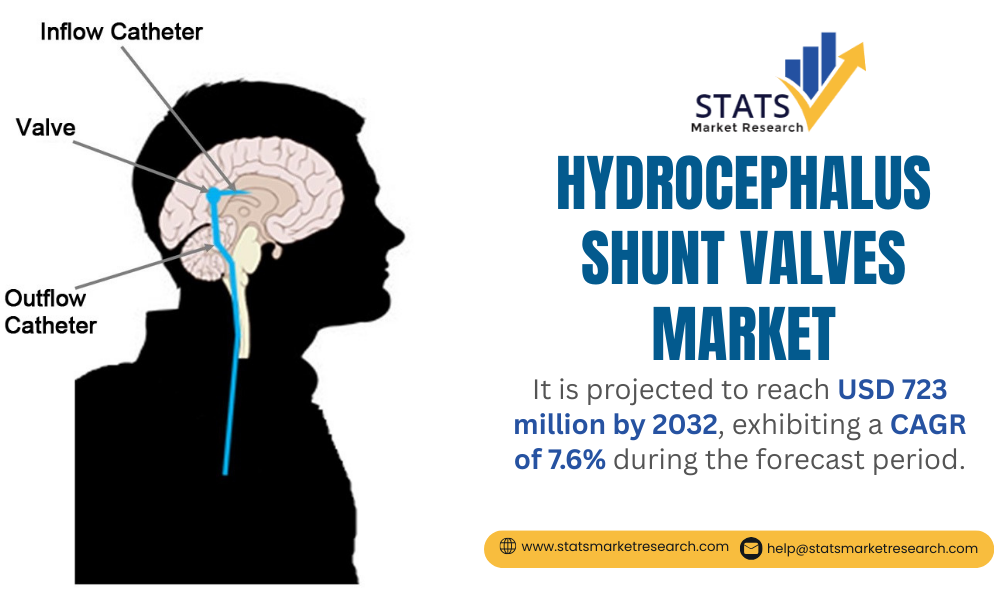
Hydrocephalus shunt valves are critical neurosurgical devices designed to regulate the flow of cerebrospinal fluid (CSF) in patients suffering from hydrocephalus, a neurological disorder characterized by abnormal fluid accumulation within the brain’s ventricles. These valves are integral components of shunt systems, ensuring proper pressure management and preventing excessive or insufficient drainage of CSF. Shunt valves can be fixed-pressure or programmable, with the latter offering greater customization to suit patient needs. The adoption of these devices has grown significantly due to rising cases of hydrocephalus among infants, adults, and the elderly, along with advancements in neurosurgical procedures.
Recent Developments
The hydrocephalus shunt valves market is being reshaped by significant technological innovations aimed at improving patient outcomes and reducing complications. A key trend is the widespread adoption of programmable and adjustable shunts, which allow neurosurgeons to non-invasively change the cerebrospinal fluid (CSF) flow settings after implantation using an external device. This reduces the need for revision surgeries, which are a common and costly problem, especially in pediatric patients. Additionally, manufacturers are developing shunts with anti-siphon and gravitational devices to prevent over-drainage when a patient is in an upright position. The use of advanced biocompatible materials and antimicrobial coatings is also a major development, as these innovations help to lower the risk of shunt infection and rejection, further improving patient safety and long-term device performance.
Major Distribution
The distribution of hydrocephalus shunt valves is a specialized process, primarily centered on healthcare institutions and professionals. The major distribution channels are direct sales from key manufacturers like Medtronic, Integra LifeSciences, and Aesculap to hospitals and neurosurgical centers. These direct relationships are crucial due to the specialized nature of the devices and the need for close technical support and training for neurosurgeons and clinical staff. Manufacturers also work with a network of specialized medical device distributors and wholesalers who have established relationships with hospitals and surgical centers in specific regions. The market is concentrated in developed regions like North America and Europe, which have well-developed healthcare infrastructures, though emerging economies in Asia-Pacific are a growing focus for distribution due to rising patient awareness and improving healthcare facilities.
Market Size
Global Hydrocephalus Shunt Valves market was valued at USD 437 million in 2023 and is projected to reach USD 723 million by 2030, exhibiting a CAGR of 7.6% during the forecast period.
- Rising prevalence of hydrocephalus in pediatric and geriatric populations.
- Increasing adoption of programmable shunt valves due to their precision.
- Advancements in minimally invasive neurosurgical techniques.
- Government and healthcare initiatives aimed at neurological disease management.
Download FREE Sample of this Report @ https://www.statsmarketresearch.com/download-free-sample/8059506/global-hydrocephalus-shunt-valves-forecast-market
Market Dynamics
Drivers
- Rising Incidence of Hydrocephalus – Congenital, acquired, and age-related hydrocephalus cases are on the rise globally.
- Technological Advancements – Smart programmable valves and anti-siphon technology reduce revision surgeries.
- Healthcare Access Improvements – Growing healthcare expenditure and infrastructure in emerging economies.
Restraints
- High costs of programmable valves compared to fixed-pressure alternatives.
- Post-surgical complications and revision surgeries.
- Limited awareness in low- and middle-income regions.
Opportunities
- Expansion in emerging markets such as Asia-Pacific and Latin America.
- R&D in biocompatible and infection-resistant shunt systems.
- Collaborations between medtech companies and hospitals to enhance clinical adoption.
Regional Analysis
- North America: Largest market due to strong healthcare infrastructure, high diagnosis rates, and presence of key players.
- Europe: Significant growth driven by rising geriatric population and advanced neurosurgical practices.
- Asia-Pacific: Fastest-growing region, fueled by expanding healthcare facilities, government initiatives, and growing awareness.
- Latin America & Middle East & Africa: Moderate growth due to increasing healthcare access and neurosurgical interventions.
Get the Complete Report & TOC @ https://www.statsmarketresearch.com/global-hydrocephalus-shunt-valves-forecast-market-8059506
Competitor Analysis
The hydrocephalus shunt valves market is moderately consolidated, with a mix of established medical device leaders and specialized neurosurgical solution providers.
Key Strategies:
- New product launches (programmable valves with enhanced flow regulation).
- Partnerships with hospitals and neurosurgical centers.
- Expansion into emerging markets.
Global Hydrocephalus Shunt Valves Market: Segmentation Analysis
By Type
- Fixed Pressure Valves
- Adjustable (Programmable) Valves
By Application
- Infants
- Children
- Adults
Key Company
- Integra LifeSciences
- Medtronic
- Sophysa
- Christoph Miethke
- Spiegelberg
- B. Braun
- Natus Medical Incorporated
By Geography
- North America [United States, Canada, Mexico]
- Europe [Germany, UK, France, Italy, Rest of Europe]
- Asia-Pacific [China, Japan, India, South Korea, Southeast Asia]
- South America [Brazil, Argentina, Rest of South America]
- Middle East & Africa [GCC Countries, South Africa, Rest of Middle East & Africa]
FAQs
Q1. What is the growth outlook for the global hydrocephalus shunt valves market?
The market is expected to grow steadily at a CAGR of XX% from 2024 to 2030, driven by rising hydrocephalus prevalence and advancements in shunt technology.
Q2. Which type of valve dominates the market?
Programmable (adjustable) valves are gaining traction due to better patient outcomes, although fixed-pressure valves remain widely used due to affordability.
Q3. Which region leads the global hydrocephalus shunt valves market?
North America currently holds the largest share, while Asia-Pacific is projected to grow fastest.
Q4. Who are the major players in the market?
Leading players include Medtronic, Integra LifeSciences, B. Braun, Sophysa, and Christoph Miethke.
Q5. What are the biggest challenges in this market?
High product cost, post-surgical complications, and limited awareness in developing regions are key challenges.
About Us
☎️ International: +1 (332) 2424 294
📄 Website: www.statsmarketresearch.com
Join us on LinkedIn:- https://www.linkedin.com/company/statsmarketresearch




