
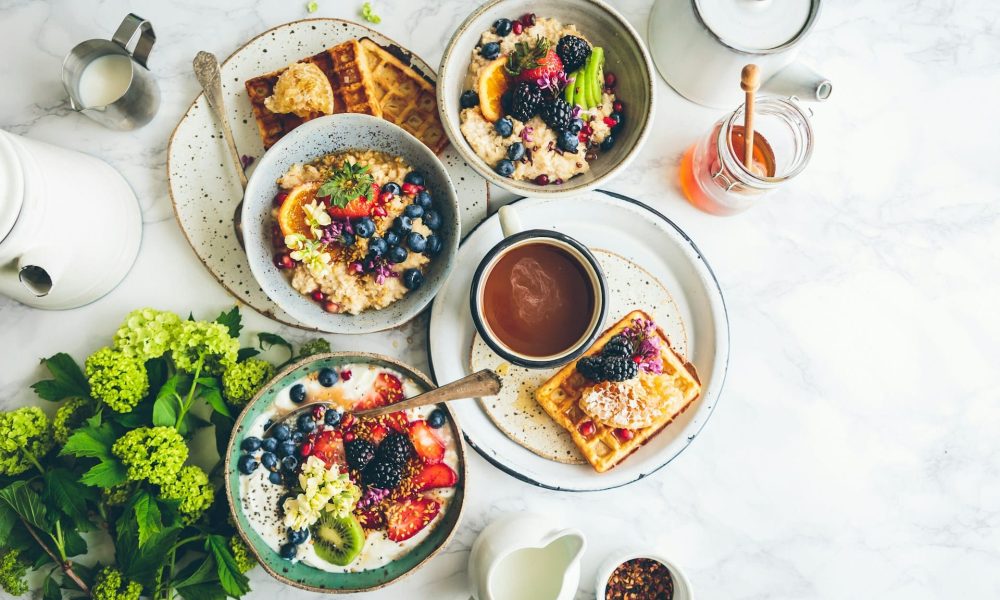
What Makes You Feel Full for a Long Time?
A true feeling of fullness is the key to maintaining a proper diet and preventing overeating. But what actually makes us feel full? The satiety mechanism is complex and influenced by many factors, including the composition of the food, the volume of the stomach, the rate of digestion, and hormone levels in the body.
To feel full for a long time, it is important to choose foods that contain protein, dietary fiber, and a sufficient amount of water. Protein digests more slowly, which prolongs the feeling of fullness. Dietary fiber takes up space in the stomach and slows down the rate of digestion, and drinking water helps fill the stomach and prevent unnecessary eating. Choosing the right foods will help you feel full and satisfied for a long time, and maintain your health.
What Foods Are Recommended for Maintaining Fullness?
If you are looking for ways to maintain a feeling of fullness for a long time and control the desire for unnecessary snacks, you have come to the right place. There are specific foods that can help you feel fuller, and assist in the process of weight loss or maintaining your current weight. Here are some of them:
Proteins:
- Eggs: Start the day with an egg or two. Eggs are an excellent source of high-quality protein, and they help reduce calorie consumption later in the day.
- Fish: Fish such as salmon, tuna, or cod are an excellent source of lean protein. The protein in fish makes us feel fuller than carbohydrates.
- Chicken: Chicken breast is an excellent choice for lunch or dinner. It is low in fat and high in protein, making it a particularly filling food.
- Greek Yogurt: Greek yogurt contains almost twice as much protein as regular yogurt, making it a particularly filling snack.
- Cottage Cheese: Cottage cheese is an excellent substitute for eggs, especially if you don’t like eggs. It is low in calories and high in protein.
- Legumes: Beans, lentils, chickpeas, and peas are excellent sources of plant-based protein. They are also rich in dietary fiber, making them a particularly filling food.
Dietary Fiber:
- Oatmeal: A bowl of oatmeal in the morning can keep you full of energy for many hours. The fiber in oatmeal fills us up and allows the body to absorb nutrients more slowly.
- Chia Seeds: Chia seeds are a superfood rich in fiber, protein, and healthy fat. When chia seeds come into contact with liquids, they absorb the liquid and swell, creating a gel texture that takes up a lot of space in the stomach and slows down the rate of digestion.
- Fruits and Vegetables: Pears, apples, vegetables, and fresh fruits contain dietary fiber that contributes to the feeling of fullness. It is especially recommended to include a large vegetable salad before the meal.
- Whole Grains: Prefer whole grains such as whole wheat bread, brown rice, or quinoa. Whole grains contain more fiber than processed grains, which contributes to the feeling of fullness and maintaining stable blood sugar levels.
- Popcorn: A sufficient mixture of fiber low in calories – as long as you don’t add butter or oil.
Healthy Fats:
- Avocado: Avocado contains healthy monounsaturated fat, which slows down the rate of stomach emptying and provides a prolonged feeling of fullness.
- Nuts: The type of fat and protein found in nuts may stimulate the body to produce hormones that help us feel full.
Foods with High Water Content:
- Soups: Soups, especially those rich in vegetables and fiber, are a great way to feel full with fewer calories. The liquid helps fill our stomachs, but doesn’t add many calories.
- Cooked and Cooled Potatoes: Cooked and cooled potatoes contain resistant starch, a type of dietary fiber that behaves in a unique way in the digestive system. The resistant starch is not fully digested in the small intestine, which leads to a prolonged feeling of fullness.
By incorporating a variety of these foods into your diet, you can increase the feeling of fullness, control your appetite, and thus help yourself achieve your nutritional goals. Don’t forget that mindful eating and listening to your body are also important components in maintaining fullness for a long time. For more information on proper nutrition, visit our website and read more about filling foods.
What Is the Most Filling Breakfast?
Breakfast is the most important meal of the day, and it affects not only our energy, but also the feeling of fullness throughout the day. If you want to start the day with a feeling of fullness that will last until noon, it is important to choose the right foods. Here are some ideas for particularly filling breakfasts:
- Eggs: There is no doubt that eggs are one of the most filling breakfasts. They are rich in protein, which digests more slowly and helps maintain a feeling of fullness for a long time. You can prepare eggs in a variety of forms – hard-boiled egg, omelet, or scrambled – and enjoy a nutritious and filling meal.
- Oatmeal: Oatmeal is a complex carbohydrate that contains many dietary fibers, which contribute to the feeling of fullness and help lower blood cholesterol levels. In addition, oatmeal contains a considerable amount of protein, potassium, folic acid, and calcium.
- Muesli: Muesli is a combination of ingredients that provide our body with a variety of vitamins and minerals. In addition, it is tasty, easy to prepare, and filling. You can add fruits, nuts, and seeds to muesli to enrich it with additional nutrients.
- Whole Wheat Sandwich: A whole wheat sandwich that includes lean cheese, hard-boiled egg, and baby leaves can provide a healthy, low-calorie breakfast that will satisfy you at least until the next meal.
- Yogurt with Fruits and Granola: A bowl of Greek yogurt with fresh fruits and granola is a light, tasty, and filling breakfast. Greek yogurt is rich in protein, fruits provide vitamins and minerals, and granola adds dietary fiber.
- Fruit Smoothie: A fruit smoothie is an excellent option for those who do not have time to prepare a complex breakfast. You can combine fruits, vegetables, almond milk in the smoothie and add a variety of healthy and pampering additions such as tahini, nuts, dates.
It is important to remember that a filling breakfast should include a combination of protein, complex carbohydrates, and healthy fats. Avoid breakfasts rich in sugar and simple carbohydrates, such as sweetened breakfast cereals or pastries, as they may cause an earlier feeling of hunger.
Additional Tips for Maintaining Maximum Fullness
Besides choosing the right foods, there are several additional tips that can help you maintain a feeling of fullness for a long time:
- Include Protein, Fiber, and Vegetables in Meals: Combining these three components in a meal is the best recipe for maintaining fullness for a long time.
- Start the Meal with Soup or Vegetable Salad: Opening a meal with a first course that includes a vegetable salad or soup will help increase the feeling of fullness and eat a smaller amount in the meal.
- Choose Hot and Solid Food: Hot and solid food reduces the feeling of hunger and reaches a feeling of fullness faster that will remain for a long time.
- Avoid Sweetened Snacks: Sweets and candies only make us feel hungrier and hungrier.




