
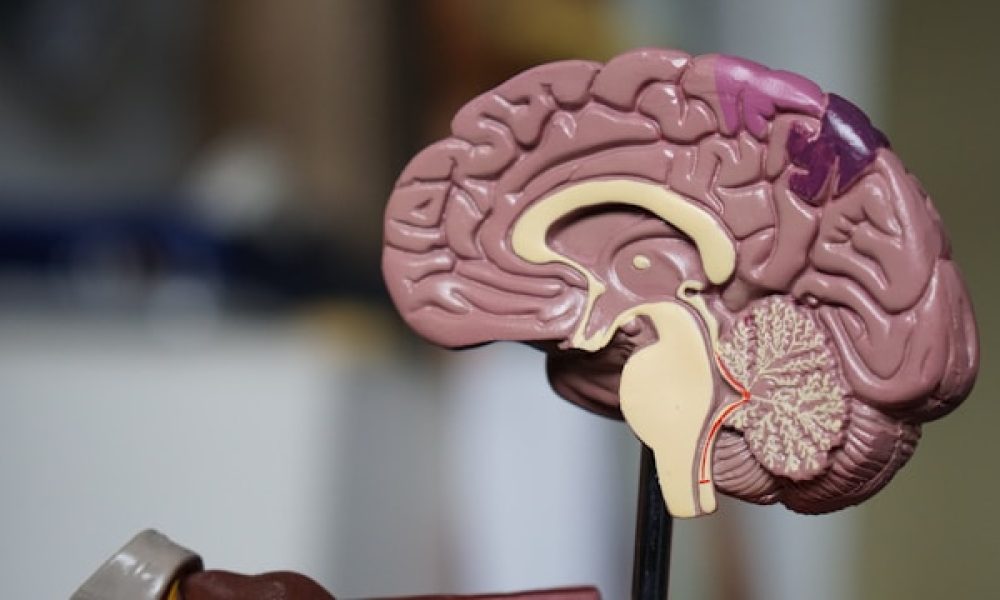
Medical records serve as a fundamental component in brain injury cases, providing a detailed account of a patient’s medical history, treatment, and progress. These documents typically include information such as the initial diagnosis, treatment plans, and any follow-up care that has been administered. In legal contexts, they can substantiate claims regarding the severity of the injury, the nature of the treatment received, and the prognosis for recovery. The accuracy and completeness of these records are crucial, as they can significantly influence the outcome of a case. For instance, discrepancies or gaps in medical documentation may raise questions about the legitimacy of the claims being made.
Moreover, medical records can also help establish a timeline of events surrounding the injury. This timeline is essential for demonstrating causation, which is a critical element in many legal claims. By correlating the date of the injury with subsequent medical evaluations and treatments, attorneys can build a compelling narrative that supports their client’s case. Additionally, these records may include notes from various healthcare professionals, which can provide insights into the patient’s cognitive and physical impairments. This multifaceted perspective is invaluable in illustrating the impact of the brain injury on the individual’s life.
Importance of Timelines in Brain Injury Cases
Timelines play a pivotal role in brain injury cases by providing a chronological framework that outlines the sequence of events leading up to and following the injury. Establishing a clear timeline helps to clarify the circumstances surrounding the incident, which is essential for determining liability. For example, if an individual sustained a brain injury due to an accident, a well-constructed timeline can help identify whether negligence was involved and how it contributed to the injury. This chronological approach not only aids in understanding the events but also assists in organizing evidence and witness testimonies.
In addition to establishing liability, timelines are crucial for demonstrating the progression of symptoms and treatment over time. Brain injuries can manifest in various ways, and their effects may evolve as time passes. By documenting when specific symptoms appeared and how they were addressed medically, attorneys can illustrate the ongoing challenges faced by the injured party. This information is vital for quantifying damages, as it provides a clearer picture of how the injury has affected the individual’s life over time. A comprehensive timeline can also highlight any delays in treatment or changes in diagnosis, which may be relevant to the case.
The Role of Witnesses in Supporting Brain Injury Claims
Witnesses can significantly bolster brain injury claims by providing firsthand accounts of the incident and its aftermath. Eyewitnesses who observed the event leading to the injury can offer critical testimony regarding the circumstances surrounding it. Their observations may help establish liability by corroborating the injured party’s account of events. For instance, if a witness saw an accident occur due to another party’s negligence, their testimony can strengthen the case by providing an objective perspective on what transpired.
In addition to eyewitnesses, individuals who have interacted with the injured party post-incident can also serve as valuable witnesses. Family members, friends, and colleagues can provide insights into how the brain injury has affected the individual’s daily life and functioning. Their observations regarding changes in behavior, cognitive abilities, and emotional well-being can help paint a more comprehensive picture of the injury’s impact. This type of testimony is particularly important in cases where subjective experiences are difficult to quantify but are nonetheless significant in understanding the full extent of the injury.
Understanding the Impact of Brain Injuries on Daily Functioning
Brain injuries can have profound effects on an individual’s daily functioning, often leading to significant changes in cognitive abilities, emotional regulation, and physical capabilities. These injuries may result in difficulties with memory, attention, and problem-solving skills, which can hinder an individual’s ability to perform everyday tasks. For example, someone who previously managed complex work responsibilities may find it challenging to concentrate or follow through on projects after sustaining a brain injury. This decline in cognitive function can lead to frustration and decreased quality of life.
Emotional and behavioral changes are also common following a brain injury. Individuals may experience mood swings, irritability, or depression as they grapple with their new reality. These psychological effects can further complicate their ability to engage socially or maintain relationships, leading to isolation and additional emotional distress. Understanding these impacts is crucial for legal cases, as they provide context for the challenges faced by the injured party. Demonstrating how a brain injury has altered an individual’s daily life can be instrumental in establishing the need for compensation for both tangible and intangible losses.
Utilizing Imaging and Diagnostic Tests as Evidence in Brain Injury Cases
Imaging and diagnostic tests are essential tools in assessing brain injuries and providing objective evidence in legal cases. Techniques such as MRI (Magnetic Resonance Imaging) and CT (Computed Tomography) scans allow medical professionals to visualize structural changes in the brain that may result from trauma. These imaging studies can reveal abnormalities such as swelling, bleeding, or lesions that may not be apparent through physical examinations alone. In legal contexts, these findings can serve as critical evidence to support claims regarding the severity of an injury.
Furthermore, diagnostic tests can also help establish a baseline for cognitive function before and after an injury. Neuropsychological assessments can evaluate various cognitive domains such as memory, attention, and executive function. By comparing pre- and post-injury performance on these tests, attorneys can demonstrate how the brain injury has impacted cognitive abilities over time. This quantitative data is valuable for substantiating claims for damages related to lost earning capacity or diminished quality of life.
Demonstrating the Long-Term Effects of Brain Injuries in Legal Cases
The long-term effects of brain injuries are often complex and multifaceted, making them challenging to quantify in legal cases. Many individuals experience persistent symptoms—such as chronic headaches, cognitive difficulties, emotional disturbances, and physical limitations—that can last for months or even years after the initial injury. When seeking compensation that reflects not only immediate medical costs but also future care and lost income, the expertise of an Abogado de lesión cerebral en Las Vegas can be instrumental in navigating the legal process and ensuring these impacts are properly documented.
To effectively illustrate these long-term effects, legal teams often rely on a combination of medical evidence, expert testimony, and personal accounts from the injured party and their family members. Medical professionals can provide insights into expected recovery trajectories based on similar cases and current research findings. Additionally, personal testimonies can highlight how daily life has been altered due to ongoing symptoms. By weaving together these various strands of evidence, attorneys can create a compelling narrative that underscores the enduring impact of brain injuries on individuals’ lives.
The Significance of Expert Testimony in Brain Injury Cases
Expert testimony plays a critical role in brain injury cases by providing specialized knowledge that can clarify complex medical issues for judges and juries. Experts such as neurologists, neuropsychologists, and rehabilitation specialists can offer insights into the nature of brain injuries, their potential long-term effects, and appropriate treatment options. Their expertise helps bridge the gap between medical terminology and lay understanding, making it easier for non-experts to grasp the implications of an injury.
In addition to explaining medical concepts, expert witnesses can also assist in establishing causation between an incident and its resulting injuries. They may analyze medical records, imaging studies, and other evidence to form opinions about how specific events led to particular outcomes. This analysis is crucial for supporting claims of negligence or liability in legal proceedings. The credibility of expert testimony often hinges on their qualifications and experience; thus, selecting appropriate experts is essential for building a strong case.
Leveraging Rehabilitation and Treatment Plans as Evidence in Brain Injury Claims
Rehabilitation and treatment plans are vital components of managing brain injuries and serve as important evidence in legal claims. These plans outline the therapeutic interventions recommended for recovery and detail the expected outcomes based on individual needs. By documenting ongoing treatment efforts—such as physical therapy, occupational therapy, or counseling—attorneys can demonstrate that the injured party is actively seeking to mitigate their losses.
Moreover, treatment plans often include projections for future care needs based on current assessments of functionality and progress. This information is crucial for calculating potential future expenses related to ongoing rehabilitation or support services required due to long-term impairments. By presenting comprehensive rehabilitation plans alongside medical records and expert testimony, legal teams can create a robust case that highlights both immediate needs and future considerations related to care and compensation.
In summary, brain injury cases require a multifaceted approach that incorporates various forms of evidence to build a compelling argument for compensation. From medical records to expert testimony and rehabilitation plans, each element plays a critical role in illustrating the complexities and long-term impacts of brain injuries on an individual’s life. Working with an experienced law firm can help ensure that all evidence is properly gathered and presented, maximizing the chances of securing fair and comprehensive compensation.