
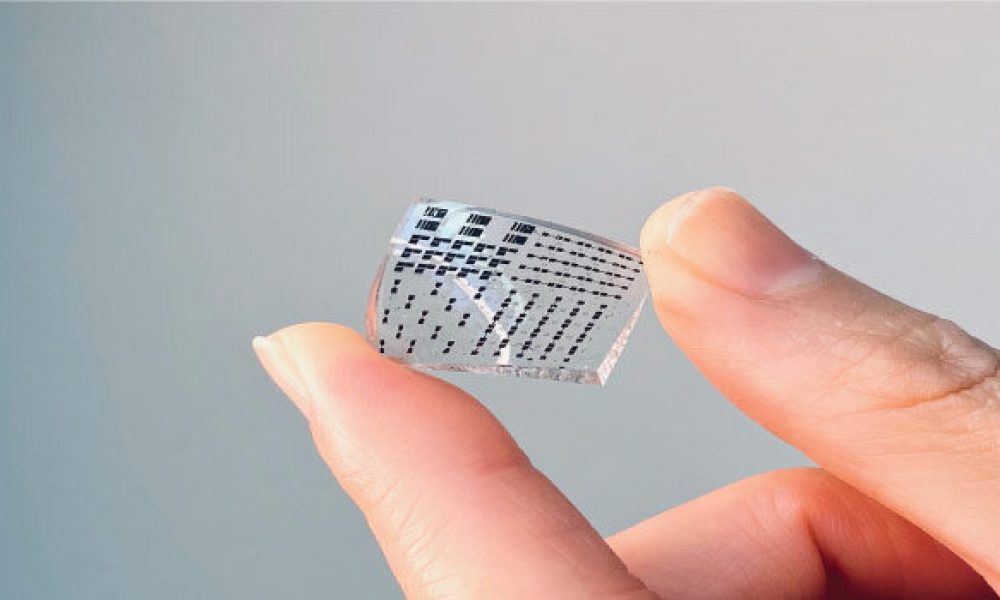
The global electronic skin market is witnessing unprecedented growth, driven by technological advancements and increasing applications across healthcare, robotics, and wearable electronics. Electronic skin, often referred to as e-skin, is an innovative technology designed to replicate the sensory and tactile functions of human skin. It incorporates flexible, stretchable sensors capable of monitoring physiological parameters such as heart rate, temperature, and blood pressure. By seamlessly integrating with the human body, e-skin provides continuous health monitoring without the discomfort associated with conventional devices. Initially developed for robotics, e-skin has rapidly transitioned into healthcare and consumer electronics, offering real-time data and personalized treatment solutions.
The market is projected to grow from US$ 11.61 billion in 2025 to US$ 31.06 billion by 2032, exhibiting a robust CAGR of 15.1% during the forecast period. North America currently leads global sales, accounting for approximately 37% of the market share, attributed to rising dermatological conditions, robust R&D infrastructure, and strong government support. Meanwhile, Asia Pacific is emerging as the fastest-growing region due to increased healthcare investments, a growing aging population, and rising incidence of chronic respiratory ailments. Electroactive polymers dominate the component segment, while electrophysiological sensors hold a 40% share, reflecting the rising use of e-skin in chronic disease management.
Download Your Free Sample & Explore Key Insights: https://www.persistencemarketresearch.com/samples/35170
Key Highlights from the Report
• Electroactive polymers hold a 30% market share due to their prominence in advanced wearable technology.
• Electrophysiological sensors dominate with 40% of the market share, driven by chronic disease management needs.
• North America leads global sales with a 37% share, fueled by increasing dermatological conditions.
• Asia Pacific is poised for fastest growth due to rising chronic respiratory diseases and healthcare investments.
• Europe is expected to experience substantial expansion by 2032, driven by the demand for health monitoring solutions.
• The global electronic skin market is forecasted to reach US$ 31.06 billion by 2032, growing at a CAGR of 15.1%.
Market Segmentation
The electronic skin market can be segmented based on product type, components, sensors, and end-user applications.
By Product Type, e-skin is classified into patches, sheets, and wearable devices. Patches are primarily used in healthcare for continuous patient monitoring, offering non-invasive measurement of vital parameters. Sheets, often larger and flexible, are adopted in robotics and advanced prosthetics, enabling tactile feedback and enhanced sensory perception. Wearable devices, integrated into clothing or accessories, are gaining traction in sports performance tracking, fitness monitoring, and virtual reality (VR) applications.
By Components, electroactive polymers (EAPs) and conductive materials dominate. EAPs, with their flexibility and responsiveness, are widely used in creating self-healing and stretchable e-skin, which can recover functionality quickly after damage. Conductive materials such as nanowires, graphene, and carbon nanotubes are essential for transmitting electrical signals in sensors, enabling real-time monitoring and feedback.
By Sensor Type, electrophysiological sensors, temperature sensors, pressure sensors, and chemical sensors form the backbone of e-skin technology. Electrophysiological sensors are critical in chronic disease management and rehabilitation therapies, while pressure and temperature sensors are vital for prosthetics and human-machine interface (HMI) applications. Chemical sensors can detect biomarkers such as glucose or lactate, expanding the applications of e-skin in personalized healthcare.
By End-User, healthcare leads due to the rising prevalence of chronic conditions such as diabetes, cardiovascular disease, and respiratory disorders. Robotics and prosthetics constitute another key segment, as e-skin enhances tactile feedback and operational precision. Consumer electronics and sports technology represent emerging sectors, particularly for VR/AR experiences and fitness tracking, indicating diversification of market applications.
Regional Insights
North America dominates the global electronic skin market, led by the US. The region benefits from extensive R&D investment, advanced infrastructure, and government support for healthcare technology. Innovative projects, such as 3D e-skin leveraging nano-engineered hydrogels at Texas A&M University, showcase the region’s commitment to integrating e-skin into medical devices and prosthetics. A growing incidence of dermatological, cardiovascular, and neurological conditions further fuels demand, making North America a mature and leading market for electronic skin.
Asia Pacific is expected to witness the fastest growth, driven by technological advancements in electronics manufacturing and an aging population. Countries like China, Japan, and South Korea are pioneering smart textiles and full-body e-skin prototypes capable of monitoring posture, heartbeat, and muscle movement. Government support, a large pool of skilled engineers, and collaborations between academia and industry are key drivers of innovation and adoption in the region.
Europe is poised for substantial expansion due to increasing consumer awareness of health and wellness. The prevalence of chronic diseases such as diabetes and cardiovascular disorders creates high demand for continuous health monitoring solutions. Advanced wearable e-skin patches are being integrated into healthcare systems, enhancing patient care and personalized treatment. Increasing investments in medical technology and supportive regulatory frameworks are expected to accelerate market growth in Europe.
Get Custom Insights Designed for Your Business: https://www.persistencemarketresearch.com/request-customization/35170
Market Drivers
The growth of the electronic skin market is primarily fueled by rising applications in human-machine interfaces, prosthetics, and healthcare monitoring. E-skin-equipped prosthetics provide amputees with real-time sensory feedback, allowing them to feel touch, temperature, and pressure. In robotics, tactile sensing e-skin enhances collaborative robots (cobots), enabling them to detect external stimuli, adjust grip strength, and perform delicate operations safely. Continuous advancements in AI, machine learning, and brain-computer interfaces further expand the potential applications of e-skin, particularly in virtual reality (VR), augmented reality (AR), and next-generation prosthetics. The convergence of e-skin with IoT and 5G technologies allows for real-time remote monitoring, predictive analytics, and data-driven healthcare interventions, further solidifying its position as a transformative technology.
Market Restraints
Despite its impressive capabilities, the electronic skin market faces challenges related to durability and energy efficiency. E-skin materials are thin, flexible, and stretchable, making them prone to wear and tear under everyday conditions. Exposure to moisture, sweat, dust, and mechanical stress can reduce functionality over time, limiting long-term usability. Additionally, many e-skin devices rely on small, flexible batteries requiring frequent recharging, affecting practicality. While energy-harvesting technologies using body heat or motion are under development, commercial availability remains limited. Addressing these limitations is crucial for broader adoption in healthcare, robotics, and consumer electronics.
Market Opportunities
The rise of Industry 4.0 and smart healthcare creates significant opportunities for e-skin technology. Collaborative robots equipped with tactile-sensitive e-skin can interact safely with humans, performing precision tasks in manufacturing, logistics, and healthcare. In elder care and rehabilitation, humanoid robots integrated with e-skin provide physical support, monitor vitals, and assist with mobility. The convergence of AI, machine learning, and wearable technology allows e-skin to enable advanced human-robot interaction, enhancing productivity and safety. Additionally, applications in sports analytics, VR/AR experiences, and personalized healthcare present lucrative avenues for manufacturers to diversify product offerings and capture emerging markets.
Checkout Now & Download Complete Market Report: https://www.persistencemarketresearch.com/checkout/35170
Company Insights
Key players operating in the electronic skin market include:
• MC10
• Xenoma
• VivaLNK
• GENTAG
• Dialog Semiconductor
• Bloomlife
• Dexcom
• Medtronic
• Insulet Corporation
• Boston Scientific Corporation
• Koninklijke Philips N.V.
Recent Developments:
In September 2024, ArchiMed, a healthcare-focused private equity firm, acquired Jeisys Medical, a Korean producer of energy-based devices, strengthening its portfolio in aesthetic and medical device solutions.
In February 2023, Applied Materials acquired MC10 to integrate its expertise in flexible electronics, enhancing the company’s presence in the e-skin technology sector.
Conclusion
The electronic skin market is positioned for transformative growth over the next decade, driven by technological advancements, expanding healthcare applications, and rising demand for non-invasive, real-time monitoring solutions. North America maintains a leadership role due to its mature healthcare infrastructure, while Asia Pacific is emerging as the fastest-growing market supported by technological innovation and government initiatives. Europe’s growth is fueled by increasing awareness of chronic disease management and health monitoring technologies. Despite challenges related to durability and energy efficiency, opportunities in prosthetics, robotics, VR/AR, and Industry 4.0 provide substantial avenues for expansion. As research continues and new applications emerge, electronic skin is set to revolutionize the way humans interact with machines, monitor health, and enhance overall well-being, making it a critical component of the future of healthcare and wearable technology.




