
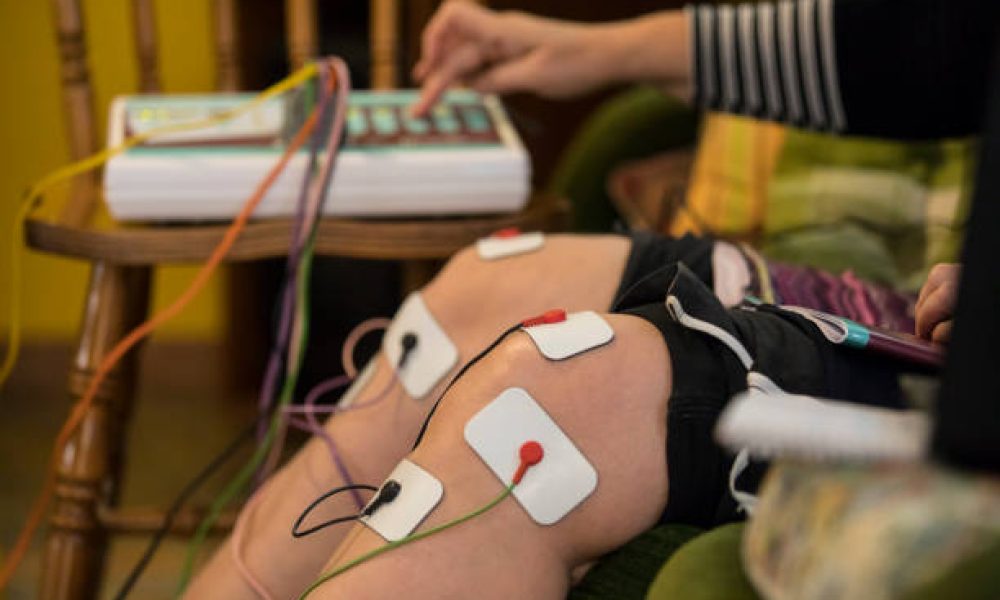
The global electrical stimulation therapy market is experiencing unprecedented growth, positioning itself as a cornerstone of modern pain management and rehabilitation medicine. The electrical stimulation therapy market was valued at approximately USD 8.4 billion in 2023 and is anticipated to reach USD 14.5 billion by 2033, growing at a CAGR of 5.6% from 2024 to 2033.
This remarkable growth trajectory reflects the industry’s response to an aging global population, rising prevalence of chronic pain conditions, and increasing demand for non-invasive therapeutic alternatives. The market’s evolution represents a fundamental shift toward patient-centered care that prioritizes comfort, effectiveness, and quality of life improvement.
𝐆𝐞𝐭 𝐚 𝐟𝐫𝐞𝐞 𝐬𝐚𝐦𝐩𝐥𝐞 𝐫𝐞𝐩𝐨𝐫𝐭: https://datahorizzonresearch.com/request-sample-pdf/electrical-stimulation-therapy-market-3896
Driving Forces Behind Market Expansion
Chronic Pain Epidemic Fuels Demand
The escalating global burden of chronic pain serves as the primary catalyst for market growth. As per the statistics from the American Academy of Pain Medicine 2018, around 126 million individuals experience pain in the US. It is known that chronic pain affects more than 1.5 billion people worldwide. This staggering prevalence creates an enormous market opportunity for innovative electrical stimulation solutions.
Demographic Transformation
In 2020, the number of people aged 60 years and older was 1 billion, and it is projected to increase to 1.4 billion by 2030. By 2050, the world’s population of people aged 60 years and older will double to 2.1 billion. This demographic shift directly correlates with increased demand for electrical stimulation therapy, as older populations experience higher rates of chronic conditions requiring therapeutic intervention.
Technological Innovation Revolution
Continual advancements in technology have propelled the evolution of electrical stimulation devices, ushering in a new era of innovation characterized by improved functionality, portability, and ease of use. Modern devices incorporate wireless connectivity, advanced sensors, and customizable programming algorithms, making them more accessible to both healthcare professionals and individual consumers.
Comprehensive Market Segmentation Analysis
By Product Type
Spinal Cord Stimulation (SCS) Devices dominate the market landscape, representing the largest segment due to their proven effectiveness in managing chronic pain conditions. Among the products, the SCS devices segment accounted for the largest share of total electrical stimulation devices market with moderate rate of growth throughout the forecast period.
Deep Brain Stimulation (DBS) Devices continue to advance with innovative technologies like adaptive stimulation. Medtronic has enrolled the first patient in a clinical trial of adaptive deep brain stimulation (aDBS) in patients with Parkinson’s disease, showcasing the segment’s commitment to technological advancement.
Transcutaneous Electrical Nerve Stimulators (TENS) maintain significant market presence. In 2023, Transcutaneous Electrical Nerve Stimulation (TENS) segment held a dominant market position in the Device Type Segment of the Electrical Stimulation Devices Market, capturing more than a 25.5% share.
Neuromuscular Electrical Stimulators serve critical roles in rehabilitation and muscle strengthening applications, particularly benefiting stroke recovery and injury rehabilitation programs.
Other Electrical Stimulation Devices include emerging technologies such as functional electrical stimulation systems and specialized neuromodulation devices for specific therapeutic applications.
By Application
Pain Management represents the largest application segment. The dominant share is retained by the pain management segment owing to the attributes such as the strong prevalence of chronic pain ailments and increased use of products to manage pain owing to their high therapeutic benefits. The Pain Management segment is expected to have the highest market value at 2.79 USD Billion in 2024.
Neurological Disorders encompass treatments for conditions including Parkinson’s disease, epilepsy, and stroke recovery. The functional electrical stimulation market specifically targets neurological rehabilitation, with The global functional electrical stimulation market is estimated to be valued at USD 672.8 million in 2025 and is projected to reach USD 958.3 million by 2035, registering a compound annual growth rate (CAGR) of 3.6%.
Musculoskeletal Disorders benefit from electrical stimulation through muscle strengthening, injury recovery, and rehabilitation protocols that enhance mobility and functional outcomes.
Urological Disorders utilize specialized stimulation devices for bladder control and pelvic floor rehabilitation, addressing incontinence and related conditions.
Other Applications include cardiac therapies, cosmetic applications, and emerging therapeutic uses for mental health and cognitive enhancement.
By End-User
Hospitals and Clinics maintain the largest market share, driven by comprehensive pain management programs and specialized neurological treatment centers that require advanced electrical stimulation technologies.
Ambulatory Surgical Centers (ASCs) represent a rapidly growing segment. Ambulatory Surgery Centers (ASCs) are another growing segment in the electrical stimulation devices market. These centers have seen an increase in outpatient procedures, which has led to higher adoption rates for electrical stimulation devices.
Rehabilitation Centers increasingly adopt electrical stimulation technologies for comprehensive patient recovery programs, particularly for neurological and musculoskeletal rehabilitation.
Home Care Settings experience accelerated growth as patients seek convenient, cost-effective therapeutic options. The escalating demand for home-based healthcare solutions presents a significant opportunity for the electrical stimulation devices market.
Other End-Users include sports medicine facilities, research institutions, and specialized therapy centers that utilize electrical stimulation for performance enhancement and clinical research.
Geographic Market Dynamics
North American Market Leadership
North America is expected to dominate the overall electrical stimulation devices market, throughout the forecast period. This is owing to factors such as the rising prevalence of chronic disorders. The region benefits from advanced healthcare infrastructure, favorable reimbursement policies, and high adoption rates of innovative medical technologies.
Asia-Pacific Growth Acceleration
Asia Pacific is estimated to grow at the highest CAGR over the forecast period (2025-2030). This rapid expansion reflects improving healthcare infrastructure, increasing healthcare expenditure, and growing awareness of advanced therapeutic options across emerging economies.
European Market Stability
Europe has a big part of the FES Market. Countries like Germany, UK, France, and Italy lead in neuromodulation research and use rehab devices. The region’s strong regulatory framework and emphasis on research and development support sustained market growth.
Industry Leaders and Company Outlook
The electrical stimulation therapy market features several prominent companies driving innovation and market expansion:
Medtronic plc stands as the global market leader, offering comprehensive portfolios across multiple stimulation technologies. Medtronic plc, Abbott, Boston Scientific Corporation, DJO Global, Inc. and BTL Corporate are the major companies operating in the Electrical Stimulation Devices Market. The company continues to advance adaptive stimulation technologies and expand its neuromodulation capabilities.
Abbott Laboratories maintains strong market presence through innovative spinal cord stimulation and deep brain stimulation systems. Abbott has introduced a mobile app the company says can be used to record their pain relief, demonstrating commitment to digital health integration.
Boston Scientific Corporation drives innovation through advanced technologies including Fast Acting Sub-perception Therapy (FAST). The new devices are the first SCS systems to feature Fast Acting Sub-perception Therapy (FAST), an approach developed by Boston Scientific and Duke University to provide paresthesia-free pain relief in minutes.
DJO Global, Inc. specializes in rehabilitation and recovery technologies, serving both professional and home-care markets with comprehensive electrical stimulation solutions.
BTL Corporate focuses on aesthetic and wellness applications while expanding into therapeutic electrical stimulation markets.
Nevro Corporation continues to innovate in high-frequency spinal cord stimulation technologies, offering differentiated approaches to chronic pain management.
Additional Market Players include NeuroMetrix, Inc., Zynex Medical, Cogentix Medical, and BioMedical Life Systems, each contributing specialized technologies and market expertise.
Technological Innovation Trends
Digital Health Integration
Modern electrical stimulation devices increasingly incorporate digital health capabilities, including smartphone connectivity, cloud-based data management, and telemedicine integration. These advances enhance patient monitoring, treatment optimization, and healthcare provider communication.
Artificial Intelligence and Machine Learning
AI-powered FES systems, more need for stroke rehab solutions, and greater use of non-invasive electrical therapies drive market demand. Advanced algorithms enable personalized treatment protocols and adaptive stimulation parameters that optimize therapeutic outcomes.
Miniaturization and Portability
Device manufacturers prioritize developing smaller, more portable systems that enhance patient mobility and treatment compliance. Wireless technologies eliminate cumbersome cables and improve user experience across all applications.
Closed-Loop Systems
Next-generation devices feature closed-loop feedback mechanisms that automatically adjust stimulation parameters based on real-time physiological responses, ensuring optimal therapeutic delivery while minimizing side effects.
Market Opportunities and Future Outlook
Home Healthcare Expansion
The global home healthcare market is projected to experience substantial growth, with estimates indicating a compound annual growth rate (CAGR) of 8.2% Till 2032, expected to reach US$ 797.8 billion. This trend creates significant opportunities for portable, user-friendly electrical stimulation devices designed for home use.
Emerging Applications
Research continues to expand electrical stimulation applications into new therapeutic areas, including mental health treatment, cognitive enhancement, and preventive wellness programs. These emerging applications represent substantial growth opportunities for innovative companies.
Global Market Penetration
Emerging markets, such as Asia Pacific and Latin America, are showing increased demand for affordable healthcare solutions. Companies that develop cost-effective solutions for these markets can capture significant growth opportunities.
Integration with Rehabilitation Robotics
Mixing FES with exoskeletons helps people move better, improving therapy results. This integration represents the future of comprehensive rehabilitation therapy, combining electrical stimulation with robotic assistance for enhanced patient outcomes.
Market Challenges and Strategic Considerations
Regulatory Compliance
Stringent safety, efficacy, and clinical trial requirements can delay product launch and increase development costs. Companies must navigate complex regulatory environments while maintaining innovation momentum.
Cost Considerations
Electrical stimulation devices, especially invasive or implantable devices, raise ethical and safety issues. Balancing advanced functionality with affordability remains a key challenge for market expansion.
Healthcare Integration
Compatibility issues with electronic health records (EHR) systems and other medical devices, lack of standard protocols for device interoperability, and limited integration with telemedicine platforms may prevent the seamless integration of electrical stimulation therapy into routine healthcare practices.
Conclusion
The electrical stimulation therapy market represents one of the most dynamic and promising segments in modern healthcare technology. With robust growth projections, continuous technological innovation, and expanding applications across multiple therapeutic areas, the market offers compelling opportunities for healthcare providers, patients, and investors alike.
The convergence of demographic trends, technological advancement, and growing acceptance of non-invasive therapeutic approaches positions electrical stimulation therapy as an essential component of future healthcare delivery. As companies continue to develop more sophisticated, accessible, and effective solutions, the market will likely exceed current growth projections and establish new standards for pain management and rehabilitation therapy.
The next decade promises breakthrough innovations in personalized medicine, artificial intelligence integration, and global market expansion that will fundamentally transform how healthcare professionals approach chronic pain, neurological disorders, and rehabilitation therapy. Organizations that invest in research and development, strategic partnerships, and global market development will be best positioned to capitalize on this extraordinary growth opportunity.
𝐋𝐚𝐭𝐞𝐬𝐭 𝐑𝐞𝐩𝐨𝐫𝐭𝐬:
𝐂𝐨𝐦𝐩𝐚𝐧𝐲 𝐍𝐚𝐦𝐞: 𝐃𝐚𝐭𝐚𝐇𝐨𝐫𝐢𝐳𝐳𝐨𝐧 𝐑𝐞𝐬𝐞𝐚𝐫𝐜𝐡
𝐀𝐝𝐝𝐫𝐞𝐬𝐬: 𝐍𝐨𝐫𝐭𝐡 𝐌𝐚𝐬𝐨𝐧 𝐒𝐭𝐫𝐞𝐞𝐭, 𝐅𝐨𝐫𝐭 𝐂𝐨𝐥𝐥𝐢𝐧𝐬,
𝐂𝐨𝐥𝐨𝐫𝐚𝐝𝐨, 𝐔𝐧𝐢𝐭𝐞𝐝 𝐒𝐭𝐚𝐭𝐞𝐬.
Mail: [email protected]
About us:
DataHorizzon is a market research and advisory company that assists organizations across the globe in formulating growth strategies for changing business dynamics. Its offerings include consulting services across enterprises and business insights to make actionable decisions. DHR’s comprehensive research methodology for predicting long-term and sustainable trends in the market facilitates complex decisions for organizations.




