
Introduction
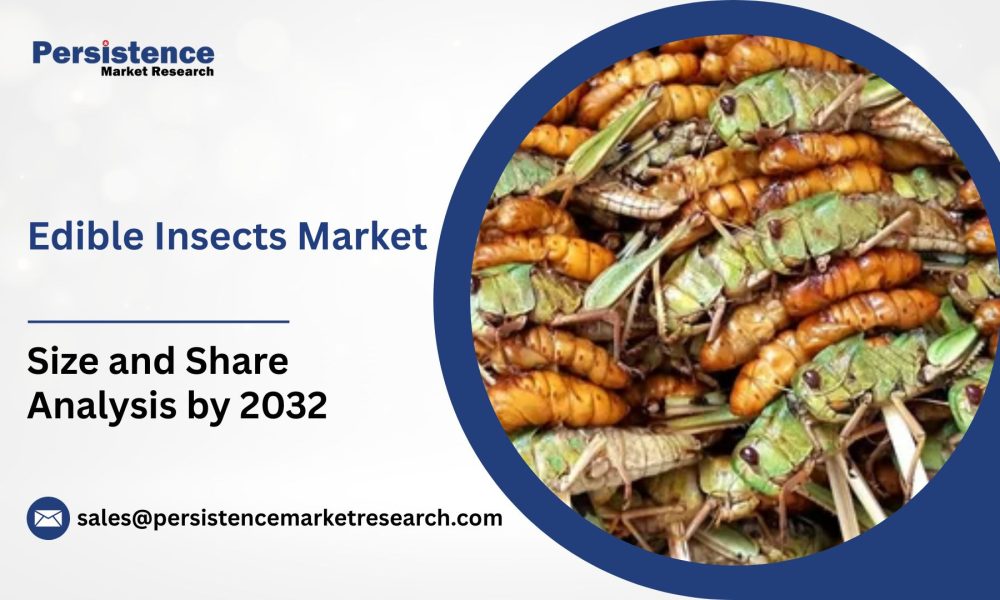
The global edible insects market has witnessed substantial growth in recent years, driven by rising protein demand, sustainability concerns, and shifting consumer perceptions toward alternative food sources. Edible insects are increasingly recognized as a nutrient-rich and eco-friendly protein option, offering high levels of essential amino acids, vitamins, and minerals while requiring fewer resources than traditional livestock.
Adoption of insect-based foods is gaining momentum across regions, supported by their use in snacks, protein bars, baked goods, beverages, and animal feed. With growing awareness of environmental impact and the urgent need for sustainable protein sources, edible insects are moving from niche consumption into mainstream food and feed markets.
This report provides an in-depth analysis of the global edible insects market, highlighting growth drivers, challenges, emerging trends, regional dynamics, and competitive landscape. As the demand for sustainable nutrition continues to rise, edible insects are poised to become a vital segment of the food and agribusiness industries.
Market Projections and Forecast
According to market estimates, the global edible insects market size is estimated to grow from US$ 2,311.0 million in 2025 to US$ 4,665.5 million by 2032. The market is projected to record a CAGR of 10.6% during the forecast period from 2025 to 2032.
Rising consumer acceptance of insect-based proteins, coupled with their adoption in animal nutrition, will be key drivers of growth. Asia-Pacific currently dominates consumption, but North America and Europe are projected to experience the fastest growth due to increasing product launches and regulatory approvals.
Get a Sample PDF Brochure of the Report (Use Corporate Email ID for a Quick Response):https://www.persistencemarketresearch.com/samples/11491
Market Dynamics
Drivers of Market Growth
Sustainable Protein Demand:
Edible insects provide a highly sustainable protein source, requiring less land, water, and feed compared to conventional livestock. This positions them as a key solution to global food security and climate challenges.
Nutritional Benefits:
Insects such as crickets, mealworms, and grasshoppers are rich in protein, omega-3 fatty acids, fiber, and micronutrients. Their dense nutrient profile makes them attractive to health-conscious consumers.
Expansion in Food and Feed Applications:
Insects are being incorporated into a wide range of products—snacks, bakery items, pet food, and aquaculture feed. Their versatility across human food and animal nutrition is fueling rapid market adoption.
Government and Regulatory Support:
Several countries, particularly in Europe and Asia, are recognizing edible insects as novel foods and providing regulatory frameworks for their commercialization, encouraging industry growth.
Challenges in the Market
Consumer Acceptance and Cultural Barriers:
In Western countries, cultural stigma and psychological resistance remain major hurdles to edible insect adoption, despite their nutritional and sustainability benefits.
Regulatory Variability:
Approval processes for insect-based foods vary significantly across regions, limiting cross-border trade and slowing global expansion.
Production and Processing Costs:
Scaling insect farming with consistent quality and safety requires significant investment in infrastructure, automation, and supply chain development.
Food Safety and Allergens:
Ensuring allergen management and addressing concerns about pathogens or contaminants is critical for consumer trust and regulatory compliance.
Market Trends and Technological Innovations
Insect-Based Protein Powders and Snacks:
The popularity of cricket flour, protein bars, and chips infused with insect protein is growing among fitness enthusiasts and adventurous consumers.
Animal Feed and Pet Food Integration:
Insects are increasingly used in poultry, aquaculture, and pet nutrition, driven by their cost-effectiveness and sustainability benefits.
Advancements in Insect Farming Technology:
Automation, vertical farming, and AI-driven monitoring systems are improving insect production efficiency and scalability.
E-Commerce and Direct-to-Consumer Growth:
Online retail channels are making insect-based products more accessible, particularly in urban markets with early adopters.
Focus on Sustainability Branding:
Companies are positioning edible insects as an eco-friendly alternative, highlighting their lower carbon footprint and resource efficiency compared to meat.
Global Edible Insects Market Segmentation
By Insect Type
Crickets
Mealworms
Grasshoppers
Black Soldier Flies
Ants
Cicadas
Others
By Product Type
Whole Insects
Powder/Flour
Protein Bars & Snacks
Beverages
Pet Food & Animal Feed
By Application
Human Consumption
Animal Nutrition (Livestock, Poultry, Aquaculture, Pet Food)
By Distribution Channel
Business to Business (Food Manufacturers, Feed Producers)
Business to Consumer
Supermarkets/Hypermarkets
Health & Specialty Stores
Convenience Stores
Online Retail
By Region
North America
Europe
Asia-Pacific
Latin America
Middle East & Africa
Key Companies Profiled in the Report
Aspire Food Group
Ÿnsect
Protix
Chapul
Entomo Farms
All Things Bugs LLC
InnovaFeed
Beta Hatch
AgriProtein
Eat Grub
Future Outlook
The global edible insects market is set for robust expansion as sustainability, nutrition, and innovation converge. Growing awareness of climate change and food security challenges will further boost consumer and institutional adoption.
Advances in insect farming, processing, and product innovation will enhance scalability and mainstream acceptance, particularly in protein powders, snacks, and feed. However, overcoming cultural resistance, establishing uniform regulations, and improving supply chain efficiency remain essential for industry growth.
Companies that focus on consumer education, sustainability branding, and diversified product portfolios are likely to gain a competitive edge in this rapidly evolving market.




