
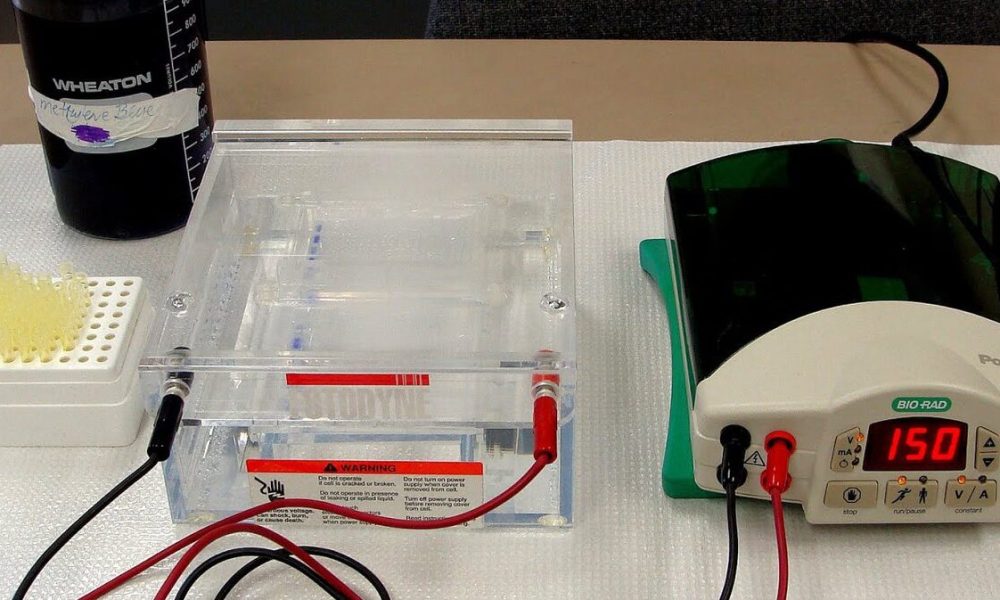
Capillary Electrophoresis (CE) has revolutionized the field of molecular analysis due to its high efficiency, precision, and ability to handle small sample sizes. Over the years, the market for capillary electrophoresis has expanded across several industries, including genomics, proteomics, pharmaceutical quality control, and forensic analysis. The technology has not only evolved in terms of instrumentation but has also integrated with innovative techniques such as mass spectrometry (CE-MS) and microfluidic systems. This article provides an in-depth analysis of the capillary electrophoresis market, covering key insights, drivers, challenges, opportunities, and regional trends, along with a detailed market forecast for the period 2025-2032.
Overview of the Market
The global capillary electrophoresis market is expected to grow from US$ 393.0 million in 2025 to US$ 560.7 million in 2032, representing a CAGR of 5.2% during the forecast period. This growth is largely driven by the increasing demand for high-resolution separation technologies, especially in areas like nucleic acid analysis, protein characterization, and forensics. Innovations in CE, such as its integration with mass spectrometry (CE-MS) and the development of microfluidic CE chips, have significantly broadened its applications across a variety of sectors.
The increasing adoption of capillary electrophoresis for genomic research, protein analysis, and quality control in the biopharmaceutical industry is another driving force. Furthermore, the ongoing collaborations between academic institutions and technology providers to develop novel CE-based methods are fueling the market’s expansion. Key regions driving this growth include North America, Europe, and Asia-Pacific, with North America expected to hold a significant market share due to the presence of major pharmaceutical companies and research institutes.
Key Highlights from the Report:
➤ The market for nucleic acid analysis is projected to hold around 29.6% of the market share in 2025.
➤ Consumables are expected to dominate the market due to their essential role in routine CE operations.
➤ North America is anticipated to experience substantial growth driven by pharmaceutical investments in CE technology.
➤ CE is increasingly being used in the quality control of biologics and biosimilars in pharmaceutical manufacturing.
➤ The integration of CE with mass spectrometry is opening new opportunities in both research and clinical diagnostics.
➤ Collaborations between academic institutes and technology providers are fostering innovation in the CE field.
𝐆𝐞𝐭 𝐚 𝐒𝐚𝐦𝐩𝐥𝐞 𝐂𝐨𝐩𝐲 𝐨𝐟 𝐑𝐞𝐬𝐞𝐚𝐫𝐜𝐡 𝐑𝐞𝐩𝐨𝐫𝐭
Market Segmentation
By Product Type:
The capillary electrophoresis market can be segmented into three main categories: instruments, consumables, and software. Among these, consumables are expected to hold the largest market share, accounting for approximately 70.4% in 2025. Consumables, such as capillaries, buffers, reagents, and polymer matrices, are a recurring requirement for CE operations and are integral to the workflow. For example, capillary arrays for the 3500 Genetic Analyzer from Thermo Fisher Scientific typically need to be replaced after every 1,000 injections, driving the demand for consumables.
On the other hand, instruments are forecasted to experience a significant growth rate during the 2025-2032 period. The high precision, automation, and integration capabilities of modern CE instruments make them indispensable in a wide range of applications. Instruments like SCIEX’s PA 800 Plus system are pivotal for glycan profiling, charge variant analysis, and protein characterization, particularly in biopharmaceutical quality control.
By Application:
The application segmentation of the capillary electrophoresis market includes nucleic acid analysis, protein analysis, genomic DNA analysis, plasmid DNA analysis, and RNA/mRNA analysis. Among these, nucleic acid analysis is expected to be the leading segment, capturing approximately 29.6% of the market share in 2025. CE is essential for quality control in biopharma, especially in next-generation sequencing (NGS) workflows, where it is used to size DNA libraries before sequencing. Additionally, CE plays a crucial role in genotyping, genetic mutation detection, and viral genotyping, especially with the recent COVID-19 pandemic.
Protein analysis, meanwhile, is expected to show strong growth due to the need for high-resolution separation in protein-based applications, including monoclonal antibody charge heterogeneity profiling, which is critical for biologics approval. Instruments like SCIEX’s PA 800 Plus system are widely used for protein analysis, underscoring the growing importance of CE in the biopharmaceutical and diagnostics sectors.
Regional Insights
North America:
North America is projected to hold around 35.7% of the market share in 2025, driven by its robust pharmaceutical manufacturing base, cutting-edge genomic research facilities, and strong forensic infrastructure. The U.S. market, in particular, is poised for significant growth, with increased investments in forensic DNA analysis, biologics characterization, and gene therapy research. The U.S. Food and Drug Administration (FDA) regulations surrounding gene therapies and biosimilars are encouraging CE technology adoption in GMP-certified labs, particularly for drug development and quality control.
Academic institutions and government-funded genomic research centers, such as the National Institutes of Health (NIH) and the Broad Institute, also rely heavily on CE for DNA library preparation and RNA integrity assessments, further bolstering market demand. In forensics, the FBI’s Combined DNA Index System (CODIS) continues to expand, leveraging CE for efficient and high-resolution DNA profiling.
Europe:
Europe’s capillary electrophoresis market is anticipated to see steady growth due to increasing investments in precision medicine, the expanding biosimilars sector, and a stringent regulatory framework for pharmaceuticals. The European Medicines Agency (EMA) mandates comprehensive physicochemical characterization of biologics, including size and charge variant analysis, where CE is the gold standard. As a result, leading biopharmaceutical manufacturers in countries like the U.K., Switzerland, and Germany are incorporating CE into their routine quality control processes.
In addition to pharmaceutical applications, CE is gaining momentum in other fields, such as proteomics and biomarker discovery. In the Netherlands, for example, the Netherlands Proteomics Center uses CE-MS workflows for neurodegenerative disease research, particularly Alzheimer’s disease, showcasing the clinical relevance of CE beyond traditional bioanalysis.
Asia-Pacific:
In the Asia-Pacific region, countries like China, Japan, and South Korea are experiencing steady growth in the capillary electrophoresis market. This growth is largely driven by increasing investments in genomic research, improvements in forensic infrastructure, and rapid expansion in the biopharmaceutical industry. In China, companies like BeiGene and WuXi Biologics are leveraging CE systems for glycan profiling and monoclonal antibody production to meet regulatory standards.
In Japan, the integration of CE with microfluidic and mass spectrometric technologies is gaining momentum, especially in clinical and academic proteomics. The RIKEN Institute has been pioneering the use of CE-MS platforms for cerebrospinal fluid biomarker analysis, contributing to early-stage diagnostics for neurodegenerative diseases like Parkinson’s.
Market Drivers
Widespread Adoption in Diagnostics and Forensics:
Capillary electrophoresis is experiencing increased adoption in paternity testing, disease diagnostics, and forensic DNA profiling. The ability of CE to separate alleles using Short Tandem Repeat (STR) markers with high precision makes it a vital tool for accurate paternity testing and legal DNA profiling. Over 90% of accredited DNA testing laboratories worldwide now use CE-based STR profiling, according to Persistence Market Research.
In clinical diagnostics, CE is also widely used for the detection of monoclonal gammopathies, hemoglobinopathies, and genetic mutations. The U.K.’s National Health Service, for instance, employs CE-based assays for sickle cell anemia and beta-thalassemia detection, highlighting its critical role in neonatal screening programs.
Market Restraints
Capillary Blockages and Complex Maintenance:
Despite its advantages, CE does have operational limitations, particularly capillary blockages and the complexity of maintenance. Narrow internal diameters in capillaries can easily become obstructed by aggregated proteins, sample debris, or precipitated buffers. This is especially problematic when working with complex samples, such as plasma or cell lysates, where sample preparation is not always optimized. Research indicates that more than 40% of CE users report frequent capillary blockages as a major cause of downtime in their workflows.
Market Opportunities
Forensic Science and Trace Evidence Analysis:
The growing demand for STR profiling and trace evidence analysis in forensic science is creating new opportunities for CE. The ability to analyze minute sample sizes, such as synthetic fibers or ink dyes, with high precision makes CE a valuable tool in criminal investigations. For instance, forensic labs in Germany and the Netherlands have adopted CE to analyze water-soluble ink dyes for questioned document examination, underscoring the growing role of CE in the forensic sector.
Reasons to Buy the Report:
✔ Gain in-depth insights into the capillary electrophoresis market dynamics and trends.
✔ Understand the regional market trends and the growth potential in different geographical regions.
✔ Learn about the key growth drivers and restraints affecting the market.
✔ Stay updated on the latest technological advancements in capillary electrophoresis.
✔ Access detailed market forecasts and projections for the 2025-2032 period.
Company Insights
The global capillary electrophoresis market includes a mix of established companies and niche players, each contributing to the market through innovative products and services. Here are some of the key players operating in the market:
✦ CBS Scientific
✦ Agilent Technologies Inc.
✦ Helena Laboratories
✦ Danaher Corporation
✦ Thermo Fisher Scientific Inc.
✦ QIAGEN
✦ PerkinElmer Inc.
✦ Bio-Rad Laboratories Inc.
✦ Shimadzu Corporation
✦ Bio-Techne Corporation
✦ Merck KGaA
Recent Developments:
Thermo Fisher Scientific launched the Applied Biosystems SeqStudio Flex Dx Genetic Analyzer in March 2025. This IVDR-compliant capillary electrophoresis system is designed to cater to both clinical and research applications in targeted genomic testing, making it a versatile tool in both diagnostic and academic environments.
Agilent Technologies Inc. introduced a new automated parallel capillary electrophoresis system called the Agilent ProteoAnalyzer in January 2024. This system simplifies protein analysis by enhancing the efficiency of complex protein mixture analysis, making it especially beneficial for pharmaceutical and biotechnological research.
Conclusion
The Capillary Electrophoresis (CE) Market is on a steady growth trajectory, fueled by the increasing demand for high-resolution separation technologies across a wide range of applications, including genomics, proteomics, diagnostics, and forensics. While the market faces challenges like capillary blockages and maintenance issues, opportunities in forensic analysis, disease diagnostics, and biopharmaceutical quality control are expected to drive growth. The market’s future is shaped by innovation, with the integration of CE with other advanced technologies such as mass spectrometry and microfluidics. As the market evolves, regions like North America, Europe, and Asia-Pacific will continue to dominate, driven by strong pharmaceutical bases, academic research institutions, and advancements in clinical diagnostics.
Read More Related Reports:




