
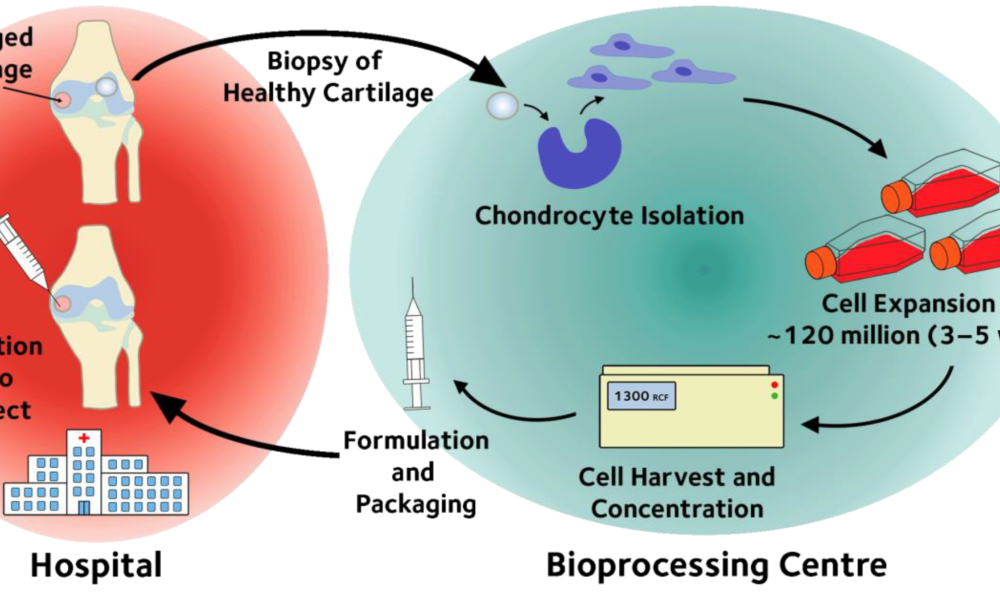
The global autologous cell therapy market is witnessing remarkable growth, with projections to reach US$6.7 billion in 2026 and expand to US$15.4 billion by 2033, reflecting a compound annual growth rate (CAGR) of 12.6% from 2026 to 2033. This surge in the market can be attributed to the increasing demand for personalized medicine, advancements in cell-processing technologies, and growing investments in regenerative medicine. Autologous cell therapy, which involves using a patient’s own cells for treatment, offers significant advantages in treating a variety of conditions, including blood cancers, cardiovascular diseases, and autoimmune disorders.
Key drivers of this market include the rising prevalence of blood cancers and chronic diseases, as well as the growing interest in personalized treatments that leverage a patient’s own biological material. As healthcare systems across the globe strive to innovate and offer advanced therapies, autologous cell therapy is becoming a cornerstone in the future of personalized medicine. North America leads the market due to its advanced healthcare infrastructure, regulatory frameworks, and early adoption of these therapies. Meanwhile, Asia-Pacific has emerged as the fastest-growing region, driven by government-backed initiatives, increased access to healthcare, and rising investments in regenerative medicine.
Download Your Free Sample & Explore Key Insights: https://www.persistencemarketresearch.com/samples/34713
Key Highlights from the Report
• Market Size (2026E): US$6.7 billion
• Market Value Forecast (2033F): US$15.4 billion
• CAGR (2026 to 2033): 12.6%
• Dominant Segment: Autologous stem cell therapy with a 51.3% share in 2025
• Leading Region: North America with a 55.1% share in 2025
• Growth Indicator: Increasing clinical trials, investments, and demand for personalized treatments
Market Segmentation
The autologous cell therapy market is broadly segmented based on therapy type, source of cells, and end-user applications. Within the therapy segment, autologous stem cell therapy leads, accounting for 51.3% of the market share in 2025. Autologous stem cells are widely used for hematologic conditions, such as hematopoietic stem cell transplants (HSCT), and are integral to regenerative medicine due to their ability to repair damaged tissues and organs. In addition to stem cell therapies, CAR-T (chimeric antigen receptor T-cell) therapies are gaining traction, particularly in oncology, expanding the scope of autologous treatments beyond hematological conditions into solid tumors.
The source of cells is another critical aspect of segmentation, with bone marrow-derived autologous therapies dominating the market. Bone marrow is a primary source for stem cells in hematologic malignancies, accounting for a significant portion of autologous cell therapies worldwide. Other sources, such as peripheral blood and adipose tissue, are also explored for their regenerative properties in conditions like autoimmune diseases and chronic inflammation.
End-users of autologous cell therapies include hospitals, specialized clinics, biotech companies, and research institutions. Hospitals are the leading end-users due to their ability to offer advanced treatments and manage complex cases involving autologous stem cells and CAR-T therapies. Biotech companies also play a pivotal role in the market, driving research and development for new therapies and manufacturing processes.
Regional Insights
North America: Dominating the Global Market
North America is the dominant region in the autologous cell therapy market, accounting for 55.1% of the market share in 2025. The region benefits from robust healthcare infrastructure, a high level of regulatory support, and a concentration of leading research and development activities. The United States has been at the forefront of CAR-T cell therapy adoption, with over 22,000 CAR-T infusions administered since 2017 across more than 150 treatment centers. Regulatory bodies such as the FDA have facilitated the approval of several autologous therapies through designations like Regenerative Medicine Advanced Therapy (RMAT), encouraging further innovation in the sector.
Additionally, North America’s strong investment in R&D and clinical trials has propelled the growth of the autologous cell therapy market. The region hosts a significant number of active clinical trials, especially in hematologic malignancies and regenerative medicine. The FDA’s facilitation of approval processes for autologous therapies has allowed for quicker market entry, which benefits both companies and patients.
Asia-Pacific: A Fast-Growing Market
Asia-Pacific is the fastest-growing region for autologous cell therapy, driven by substantial investments in healthcare and biotechnology. Countries like China, Japan, and South Korea are making significant strides in clinical research and development. China, for example, accounts for about 60% of global CAR-T clinical trials, indicating the region’s pivotal role in expanding the global adoption of these therapies.
Moreover, governments in the Asia-Pacific region are increasingly supporting the development of regenerative medicine. For instance, Japan has committed over USD 1 billion to regenerative medicine research, while China and South Korea are also enhancing funding for advanced therapies. This financial support, coupled with streamlined regulatory frameworks, is accelerating the commercialization of autologous cell therapies.
Get Custom Insights Designed for Your Business: https://www.persistencemarketresearch.com/request-customization/34713
Market Drivers
One of the most significant drivers for the autologous cell therapy market is the rising prevalence of blood cancers such as leukemia, lymphoma, and myeloma. In 2025, it is estimated that more than 187,740 new cases of blood cancers will be diagnosed in the United States alone, creating an immense therapeutic burden. This burden is further exacerbated by the increasing number of chronic noncommunicable diseases (NCDs), including cancers, cardiovascular diseases, diabetes, and respiratory illnesses. These diseases collectively represent 71% of all global deaths, underscoring the need for effective and personalized treatment options.
Autologous cell therapy is particularly well-suited for these conditions because it allows for the customization of treatments using a patient’s own cells, thus minimizing the risk of immune rejection. As clinical trials and research continue to explore new applications, particularly in solid tumors, the demand for autologous therapies is expected to grow substantially.
Market Restraints
Despite its promising growth, the autologous cell therapy market faces significant challenges, particularly in manufacturing and logistics. One of the most pressing concerns is the complexity of production. Each batch of autologous therapy is unique to the individual patient, creating a “batch-of-one” production model that complicates scalability. This results in high production costs and lengthy timelines, which can hinder the widespread adoption of these therapies.
Logistics further complicate the market landscape. Autologous therapies require highly specialized cold-chain transport, ensuring that the cells maintain viability throughout the manufacturing and delivery process. Given that the entire process often spans 40-50 hours from collection to treatment, any temperature excursions or delays can compromise the efficacy of the therapy. This logistical complexity increases costs, limits availability, and may pose significant barriers to scaling up production.
Market Opportunities
The expansion of CAR-T cell therapies into new indications presents a substantial opportunity for market growth. While CAR-T therapies have demonstrated significant success in blood cancers, they are now being explored for solid tumors, marking a major expansion of their therapeutic potential. As of 2024, over 1,580 CAR-T clinical trials are ongoing, with nearly 25% of these trials focusing on solid tumor applications.
In addition, mesenchymal stem cell (MSC) therapies represent another burgeoning area of opportunity. MSCs are being investigated for a wide range of conditions, including autoimmune diseases, graft rejection, and inflammatory disorders. The increased focus on MSC therapies broadens the scope of autologous treatments, offering the potential to address a wide variety of conditions that go beyond traditional regenerative uses.
Checkout Now & Download Complete Market Report: https://www.persistencemarketresearch.com/checkout/34713
Company Insights
Several key players dominate the autologous cell therapy market, including major pharmaceutical companies, biotech firms, and contract manufacturing organizations. These players are focused on advancing the technology, improving manufacturing processes, and expanding the use of autologous therapies across different indications.
• Bristol Myers Squibb
• Novartis
• Autolus Therapeutics
• Vericel Corporation
• Lonza
• Catalent, Inc
• Sartorius AG
• Corning Incorporated
• Caladrius Biosciences
• BrainStorm Cell Therapeutics
Recent Developments
In December 2025, Bristol Myers Squibb received FDA approval for Breyanzi (lisocabtagene maraleucel) as the first CAR-T cell therapy for adults with relapsed or refractory marginal zone lymphoma (MZL).
In August 2025, Excellos, Lonza, and Akadeum Life Sciences announced a collaboration to enhance cell therapy manufacturing, improving efficiency, scalability, and consistency in producing cell therapies.
Conclusion
The autologous cell therapy market is positioned for significant growth in the coming years, driven by advancements in research, technology, and regulatory frameworks. As the demand for personalized medicine increases, autologous therapies such as CAR-T and MSC hold immense potential in treating a variety of complex diseases. However, challenges related to production and logistics must be addressed to ensure these therapies can be scaled effectively. With strategic investments, regulatory support, and continued clinical research, the market is poised to expand globally, with North America and Asia-Pacific leading the charge.




