Definition
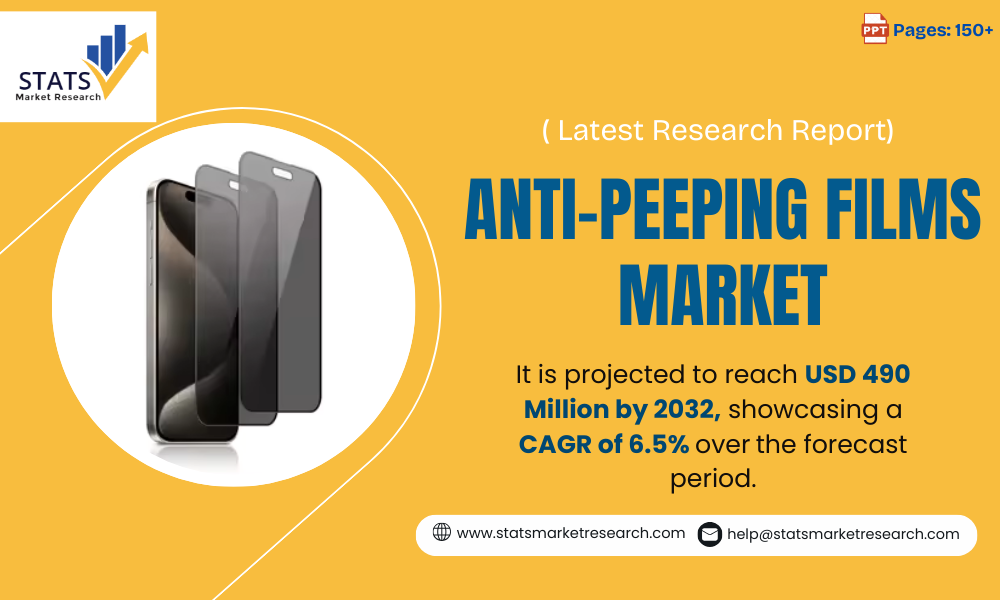
Anti-peeping films, also known as privacy screen films, are specialized optical films designed to restrict screen visibility to only the person directly in front of the display. Using advanced ultra-fine blinds or micro-louver technology, these films narrow the viewing angle, making on-screen content appear dark or obscured when viewed from the side. This ensures sensitive information on smartphones, tablets, laptops, and computer screens remains private, preventing visual hacking, shoulder surfing, or data theft.
The technology works by integrating microscopic louvers or optical filters into a transparent film layer. When applied to a device screen, these films maintain display clarity for the primary viewer while obscuring content from side angles. Modern anti-peeping films often combine privacy with additional functionalities, including blue light filtration, anti-glare coatings, and scratch resistance.
The increasing use of mobile devices in public spaces, coupled with rising data privacy concerns, has made anti-peeping films critical in sectors like banking, healthcare, government, and corporate enterprises. As users seek enhanced privacy protection, manufacturers are innovating with multifunctional films and targeting diverse applications across consumer electronics, automotive displays, and IoT devices.
Recent Developments in the Anti-Peeping Films Market
The anti-peeping films market is evolving to meet the growing demand for digital privacy and security in an increasingly mobile and remote-working world. A major recent development is the move beyond a single function, with manufacturers now integrating multiple features into a single film. These new-generation films often include anti-glare, blue light filtering, and anti-microbial coatings, in addition to their core privacy function. This provides a more comprehensive solution for user health and device longevity. Another significant trend is the development of non-adhesive, reusable films, often using magnetic or static-cling technologies. This innovation allows for easy attachment and detachment, making them suitable for use on multiple devices or for temporary privacy needs. The market is also seeing the rise of “smart” privacy films that can switch between transparent and opaque states on-demand, offering flexible privacy solutions for a wider range of applications, from personal devices to architectural windows.
Major Distribution Channels
The distribution of anti-peeping films is segmented into a few key channels. The most dominant channel is online retail, which includes large e-commerce marketplaces like Amazon, as well as the websites of individual brands. This channel thrives on the convenience it offers consumers, allowing them to easily compare products, read reviews, and find a wide variety of films for different devices. Another crucial channel is consumer electronics retail, which includes big-box stores like Best Buy and specialty stores that offer a physical space for customers to view and purchase products. This channel is particularly important for customers who prefer to see the product before buying and can also rely on in-store assistance. A third, though smaller, channel is the business-to-business (B2B) channel, where manufacturers sell directly to companies, often for bulk orders to equip a mobile workforce or for integration into new devices as an original equipment manufacturer (OEM) part.
Market Size
Global Anti-Peeping Films market was valued at USD 320 million in 2024 and is projected to reach USD 490 million by 2032, growing at a CAGR of 6.5% during the forecast period. In 2025, the market is expected to reach USD 340 million, driven primarily by rising privacy concerns and increasing adoption of mobile and computing devices.
Regionally, Asia-Pacific leads the market with 37% of global revenue, followed by North America at 29% and Europe at 26%. The mobile phone segment dominates with 47% of total sales, reflecting the widespread consumer demand for personal device privacy. The online sales channel accounts for 69% of distribution, leveraging e-commerce growth and convenience, while offline retail continues to serve immediate purchase needs.
The market expansion is fueled by technological innovations in micro-louver films, rising enterprise adoption, and growing awareness of visual data security risks. Increasing smartphone penetration, which reached 6.8 billion devices globally in 2023, further supports market growth as consumers seek reliable privacy solutions in public spaces.
Download FREE Sample of this Report @ https://www.statsmarketresearch.com/download-free-sample/8058456/global-antipeeping-films-forecast-market
Market Dynamics (Drivers, Restraints, Opportunities, and Challenges)
Drivers
- Rising Privacy Concerns: Visual hacking and shoulder surfing in public spaces drive demand for privacy films across consumer and enterprise segments.
- Corporate Data Protection Policies: Financial institutions, healthcare providers, and government agencies increasingly integrate anti-peeping films into cybersecurity strategies.
- Smartphone and Mobile Device Penetration: With billions of mobile devices in use, consumers require effective privacy solutions for personal and sensitive data.
- Innovative Multifunctional Films: Integration of blue light filtering, anti-glare, and scratch resistance enhances product appeal, encouraging adoption.
Restraints
- High Product Costs: Premium anti-peeping films are 3-5 times more expensive than standard screen protectors, limiting mass-market penetration.
- Durability Concerns: Films require replacement every 12-18 months, increasing total cost of ownership.
- Emerging Integrated Display Technologies: Some smartphones now incorporate electronic privacy screens, potentially reducing demand for aftermarket films.
Opportunities
- IoT Device Applications: Smart displays and home assistants require privacy solutions, opening new market segments.
- Automotive Displays: Privacy films for in-car displays protect sensitive navigation and infotainment information.
- Technological Innovation: Development of electrochromic films and self-healing materials allows premium products with higher profit margins.
Challenges
- Reduced Screen Visibility: Privacy films can decrease brightness by 15-25%, impacting battery life and user experience.
- Installation Complexity: Curved and edge-to-edge displays require precise application; incorrect installation reduces effectiveness.
- Touchscreen Sensitivity Issues: Films may interfere with responsiveness and color clarity, limiting consumer adoption.
Regional Analysis
- Asia-Pacific: Market leader due to high smartphone adoption, e-commerce growth, and privacy awareness.
- North America: Significant enterprise adoption in healthcare, finance, and government sectors.
- Europe: Strong demand from corporate and consumer segments, supported by stringent data protection regulations.
- Latin America & MEA: Gradual growth due to urbanization, digital adoption, and increasing privacy concerns.
Competitor Analysis (in brief)
- The anti-peeping films market is highly concentrated, with the top five players holding ~79% market share.
- 3M Company (U.S.): Market leader leveraging patented micro-louver technology and extensive R&D.
- Targus International LLC (U.S.): Focuses on enterprise and mobile device privacy solutions.
- SmartDevil Technology Co. (China): Strong e-commerce presence, especially on Amazon.
- Spigen Inc. (South Korea): Capitalizes on brand reputation in mobile accessories.
- Kensington Computer Products Group (U.S.): Aggressive pricing strategies in emerging markets.
Other notable players include UGREEN, Pisen, Monifilm, YIPI ELECTRONIC, Llano Technology, KAPSOLO, Shenzhen Renqing Excellent Technology, and Light Intelligent Technology Co.
Get the Complete Report & TOC @ https://www.statsmarketresearch.com/global-antipeeping-films-forecast-market-8058456
Global Anti-Peeping Films Market: Market Segmentation Analysis
This report provides a deep insight into the global Anti-Peeping Films market, covering all its essential aspects. This ranges from a macro overview of the market to micro details of the market size, competitive landscape, development trend, niche market, key market drivers and challenges, SWOT analysis, value chain analysis, etc. The analysis helps the reader to shape the competition within the industries and strategies for the competitive environment to enhance the potential profit. Furthermore, it provides a simple framework for evaluating and assessing the position of the business organization. The report structure also focuses on the competitive landscape of the Global Anti-Peeping Films Market. This report introduces in detail the market share, market performance, product situation, operation situation, etc., of the main players, which helps the readers in the industry to identify the main competitors and deeply understand the competition pattern of the market.
In a word, this report is a must-read for industry players, investors, researchers, consultants, business strategists, and all those who have any kind of stake or are planning to foray into the Anti-Peeping Films market in any manner.
Market Segmentation (by Application)
- Consumer Electronics
- Banking & Financial Institutions
- Healthcare
- Government & Defense
Market Segmentation (by Type)
- PC Anti-Peeping Films
- Mobile Phone Anti-Peeping Films
- Pad Anti-Peeping Films
Key Company
- 3M Company (U.S.)
- Targus International LLC (U.S.)
- SmartDevil Technology Co. (China)
- Spigen Inc. (South Korea)
- Kensington Computer Products Group (U.S.)
- UGREEN Group Limited (China)
- Pisen Electronics Co. Ltd. (China)
- Monifilm Technology Co. (China)
- YIPI ELECTRONIC Co. Ltd. (China)
- Llano Technology Inc. (U.S.)
- KAPSOLO International GmbH (Germany)
- Shenzhen Renqing Excellent Technology Co. (China)
- Light Intelligent Technology Co., LTD (Taiwan)
Geographic Segmentation
- North America (USA, Canada, Mexico)
- Europe (Germany, UK, France, Russia, Italy, Rest of Europe)
- Asia-Pacific (China, Japan, South Korea, India, Southeast Asia, Rest of Asia-Pacific)
- South America (Brazil, Argentina, Columbia, Rest of South America)
- The Middle East and Africa (Saudi Arabia, UAE, Egypt, Nigeria, South Africa, Rest of MEA)
FAQ
Q1. What is the current market size of the Anti-Peeping Films market?
A: The global market was valued at USD 320 million in 2024 and is projected to reach USD 490 million by 2032.
Q2. Which are the key companies operating in the Anti-Peeping Films market?
A: Key companies include:
- 3M Company
- Targus International LLC
- SmartDevil Technology Co.
- Spigen Inc.
- Kensington Computer Products Group
Q3. What are the key growth drivers in the Anti-Peeping Films market?
A: Growth drivers include rising privacy concerns, corporate data protection policies, smartphone adoption, and multifunctional privacy films.
Q4. Which regions dominate the Anti-Peeping Films market?
A: Asia-Pacific leads with 37% market share, followed by North America (29%) and Europe (26%).
Q5. What are the emerging trends in the Anti-Peeping Films market?
A: Emerging trends include IoT device applications, automotive display protection, electrochromic privacy films, and self-healing materials.
About Us
☎️ International: +1 (332) 2424 294
📄 Website: www.statsmarketresearch.com
Join us on LinkedIn:- https://www.linkedin.com/company/statsmarketresearch




