
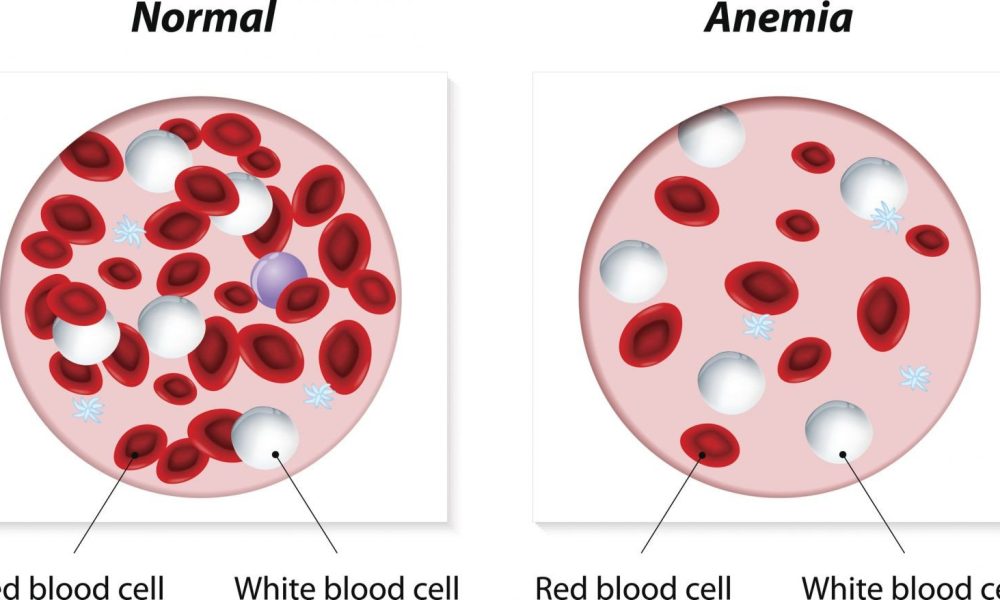
The global anemia drugs market has emerged as a vital segment within the pharmaceutical industry, addressing one of the most prevalent hematological disorders worldwide. Anemia, characterized by a deficiency in hemoglobin or red blood cells, affects oxygen transport to tissues and organs, leading to fatigue, weakness, and in severe cases, organ dysfunction. The disorder may be hereditary, as seen in sickle cell anemia and thalassemia, or acquired due to nutritional deficiencies, chronic diseases, or bone marrow disorders. The diverse etiology and widespread prevalence of anemia have driven the consistent demand for effective pharmacological interventions.
Market dynamics indicate a robust growth trajectory for anemia drugs, with the global market expected to expand from US$8.1 billion in 2024 to US$13.7 billion by 2031, registering a compound annual growth rate (CAGR) of 7.8%. Historical data from 2019 to 2023 reflects a CAGR of 6.8%, signaling accelerating adoption of therapeutic options. The market growth is further fueled by increasing awareness of anemia, rising healthcare investments in emerging economies, and the introduction of innovative medications, including erythropoietin-stimulating agents (ESAs) and advanced iron formulations.
Among the various segments, iron deficiency anemia treatment holds the largest market share due to the high prevalence of iron deficiency worldwide and the widespread availability of oral iron supplements. Geographically, North America dominates the market, driven by well-established healthcare infrastructure, advanced diagnostic facilities, an aging population, and high prevalence of chronic diseases such as chronic kidney disease, diabetes, and cancer. The region also benefits from pharmaceutical innovation and early adoption of novel anemia drugs, contributing to sustained growth.
Download Your Free Sample & Explore Key Insights: https://www.persistencemarketresearch.com/samples/21364
Key Highlights from the Report
• The introduction of novel medications like erythropoietin-stimulating agents is revolutionizing anemia treatment.
• Increasing prevalence of anemia in developing countries is a primary driver of market expansion.
• Iron deficiency anemia remains the leading segment, accounting for the largest share of the market.
• North America continues to lead due to advanced healthcare infrastructure and chronic disease prevalence.
• Strategic partnerships and collaborations among pharmaceutical companies are shaping market competitiveness.
• Rising government initiatives and awareness campaigns are improving access to anemia treatment globally.
Market Segmentation
The anemia drugs market is classified into multiple segments based on anemia type, drug type, and distribution channels. By anemia type, the market includes microcytic anemia (low MCV) with subtypes such as iron deficiency, thalassemia, and others; normocytic anemia characterized by high or low reticulocyte count; and macrocytic anemia, typically due to vitamin deficiencies. Among these, iron deficiency anemia dominates, reflecting the widespread dietary insufficiencies and malnutrition prevalent in both developed and developing countries.
Drug type segmentation differentiates between dietary supplements and medicines. Dietary supplements include iron, vitamin B12, folic acid, and vitamin C, whereas medicines encompass antibiotics, hormones like erythropoietin, and chelation therapy for conditions such as lead poisoning. Iron supplements continue to be the mainstay treatment due to their proven efficacy, low cost, and accessibility. Distribution channels comprise hospital pharmacies, retail pharmacies, and online platforms, with hospitals remaining the preferred channel due to the need for physician oversight in anemia management, especially in chronic and severe cases.
Regional Insights
Regional trends highlight North America as the leading market, accounting for the highest revenue share globally. The region benefits from advanced healthcare infrastructure, high chronic disease prevalence, and strong R&D investment in pharmaceutical innovation. Europe follows closely, driven by similar healthcare capabilities, government initiatives, and growing awareness of anemia-related disorders.
The Asia Pacific region presents significant growth potential, particularly in countries like India and China, due to high population density, increasing incidence of nutritional anemia, and improving healthcare access. Latin America and Middle East & Africa are emerging markets where rising awareness, government initiatives, and expanding healthcare infrastructure are expected to drive adoption of anemia drugs over the forecast period.
The disparities in market penetration across regions primarily stem from variations in healthcare spending, infrastructure, and access to diagnostic facilities. Developing countries face challenges in terms of underdiagnosis and lack of treatment accessibility, which also presents opportunities for pharmaceutical companies to expand market presence.
Get Custom Insights Designed for Your Business: https://www.persistencemarketresearch.com/request-customization/21364
Market Drivers
Several key factors contribute to the growth of the global anemia drugs market. The rising prevalence of anemia worldwide remains a primary driver, fueled by chronic conditions such as chronic kidney disease, cancer, and inflammatory disorders. These diseases often impair red blood cell production, creating a heightened need for effective anemia therapies. Additionally, the aging global population contributes to the increasing incidence of chronic illnesses, further expanding the market for anemia drugs.
Healthcare infrastructure improvements in developing countries have enhanced diagnosis and treatment capabilities, facilitating access to anemia drugs. Public health campaigns and screening programs have also played a critical role in early detection, leading to timely interventions. Awareness initiatives educate both healthcare providers and patients about the signs, symptoms, and treatment options, which increases patient compliance and uptake of therapies. Moreover, pharmaceutical innovations, including ESAs and advanced iron formulations, are strengthening the treatment landscape and encouraging adoption in both established and emerging markets.
Market Restraints
Despite robust growth prospects, certain factors hinder the market expansion. A major restraint is the adverse effects associated with anemia drugs, including gastrointestinal discomfort, constipation, allergic reactions, and increased cardiovascular risks with ESAs. Such side effects can limit patient adherence to prescribed regimens and may lead to discontinuation or switching to alternative therapies.
Additionally, the presence of alternative therapies with safer profiles poses challenges for traditional anemia drugs. Regulatory scrutiny, coupled with the high cost of novel therapies, also constrains market growth, particularly in price-sensitive developing regions. Companies must continuously innovate to balance efficacy and safety while maintaining patient adherence to therapy, which remains a critical challenge for market players.
Market Opportunities
The global anemia drugs market offers substantial opportunities for growth through research and development (R&D). Continued innovation is focusing on enhanced iron formulations, novel ESAs, and targeted therapies that improve efficacy while minimizing side effects. Precision medicine approaches, including genetic testing and biomarker discovery, are enabling more personalized treatment, optimizing patient outcomes, and creating potential for new therapeutic categories.
Expanding awareness in developing and emerging countries also presents significant market potential. Governments and NGOs are promoting education, screening, and early diagnosis programs, thereby increasing demand for anemia drugs. Strategic partnerships and collaborations among pharmaceutical companies and healthcare providers are addressing accessibility and affordability challenges, opening new avenues for market expansion.
Checkout Now & Download Complete Market Report: https://www.persistencemarketresearch.com/checkout/21364
Company Insights
The global anemia drugs market is highly competitive, with several leading players driving innovation, research, and market expansion. Key companies include:
• GlaxoSmithKline Plc (GSK) – Global pharmaceutical leader focused on anemia therapeutics.
• Pharmacosmos A/S – Specialized in iron-based therapies and global partnerships.
• Zydus Lifesciences – Expanding its portfolio in iron deficiency anemia, particularly in emerging markets.
• Johnson & Johnson – Diversified healthcare and pharmaceutical solutions including anemia drugs.
• Pfizer Inc. – Active in research and development of novel anemia therapeutics.
• Novartis AG – Engaged in targeted therapies and biologics for anemia.
• AbbVie Inc. – Focuses on chronic disease-associated anemia treatments.
Recent Developments:
In February 2023, GSK received FDA approval for Jesduvroq, the first oral treatment for anemia in adults with chronic kidney disease on dialysis.
In September 2022, Pharmacosmos A/S partnered with Zydus Lifesciences to market MonoFerric (iron-isomaltose) injections in India and Nepal, addressing iron deficiency anemia where oral iron therapy is insufficient.
Conclusion
The global anemia drugs market is poised for substantial growth over the forecast period, driven by the rising prevalence of anemia, chronic diseases, and demographic shifts. North America currently leads the market due to advanced healthcare infrastructure, while emerging regions such as Asia Pacific and Latin America offer significant opportunities for expansion. Key market drivers include awareness programs, screening initiatives, and pharmaceutical innovations such as erythropoietin-stimulating agents and improved iron formulations.
Despite challenges related to adverse drug effects and regulatory scrutiny, ongoing R&D and strategic collaborations among leading pharmaceutical players are shaping a competitive and dynamic market landscape. As healthcare access improves and awareness grows, the demand for effective anemia treatments is expected to rise, presenting new avenues for companies to expand globally. The future of the anemia drugs market is characterized by innovation, accessibility, and an increased focus on personalized treatment strategies that address the diverse causes of anemia worldwide.




