
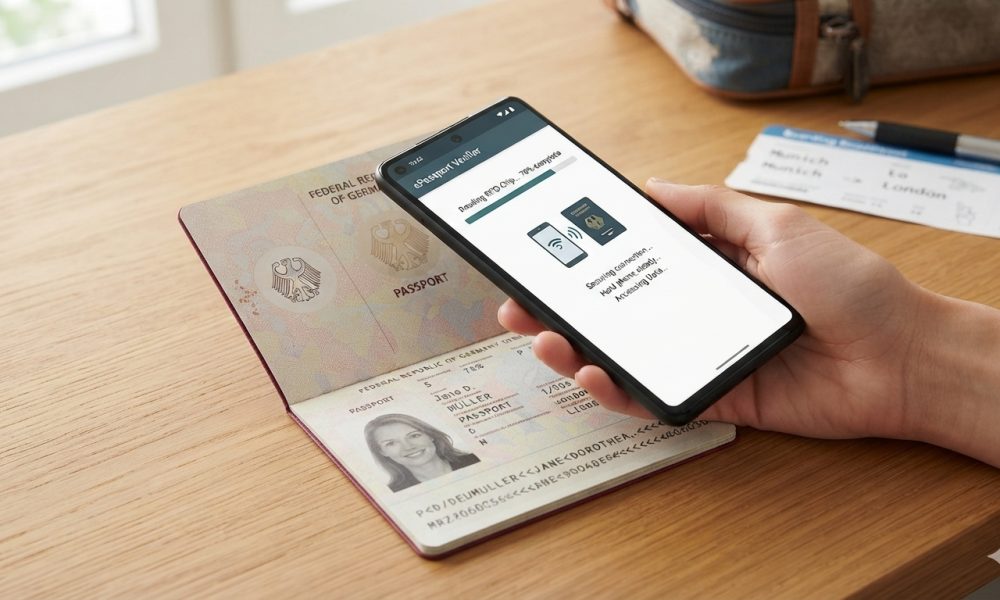
Combining physical inspection, electronic authentication, and holder verification helps address different forms of travel document misuse.
WASHINGTON, DC, October 2, 2026 — A passport can create a border-security concern for several fundamentally different reasons, including physical alteration, electronic manipulation, theft, fraudulent possession, unauthorized use by another person, or administrative cancellation after an otherwise legitimate government issuance.
No single security feature can identify every one of those circumstances, which is why modern passport inspection combines physical examination, electronic authentication, biometric holder verification, document-status databases, and professional Judgment instead of treating one successful technical result as conclusive proof.
Altered and Stolen Passports Present Different Problems
An altered passport involves changes made to a document after issuance. In contrast, a stolen passport can remain completely genuine in its materials, printing, personalization, electronic information, and cryptographic protections even though the person presenting it has no legitimate right to use it.
Those differences matter because a security mechanism designed to detect modification may perform perfectly against an altered document while providing little evidence that an untouched genuine passport was stolen from its lawful holder.
Physical Alteration Can Target the Identity Page
Passport alteration can involve attempts to change visible identity information, replace photographs, modify dates, interfere with personalization, substitute pages, or otherwise manipulate a legitimately manufactured document so that it represents information different from what authorities originally issued.
Modern physical security features are intended to make such manipulation harder and more visible, particularly when identity information is integrated with surrounding artwork, laser engraving, optical devices, polycarbonate layers, and other coordinated structures.
Electronic Data Provide an Independent Reference
Electronic passports add another representation of the holder’s identity, allowing compatible readers to compare protected chip information with names, dates, document numbers, portraits, and machine-readable information appearing on the physical passport.
An alteration limited to the visible document can therefore create discrepancies with electronically authenticated information, giving authorities evidence that may remain unavailable when examining either the physical page or the contactless chip independently.
Digital Signatures Help Detect Electronic Modification
Protected electronic passport information can carry digital signatures allowing inspection systems to determine whether stored data remain consistent with information established during legitimate government personalization.
The ICAO electronic passport framework provides the international technical foundation for these machine-readable and electronic travel documents, allowing compatible systems to combine electronic integrity checks with traditional passport inspection.
Physical Examination Still Matters After a Successful Chip Check
A valid digital signature cannot determine whether someone replaced a physical page, disturbed booklet stitching, changed visible personalization, reconstructed a laminate, or manipulated another feature existing outside the electronically protected data stored inside the chip.
Border authorities therefore continue examining materials, printing, engraving, optical safeguards, binding, page sequence, and other physical characteristics even when the passport produces technically successful electronic authentication results.
A Genuine Passport Can Be Used Fraudulently
The opposite problem arises when someone obtains another person’s genuine passport, because the document can remain physically authentic and cryptographically perfect while being presented by someone who was never entitled to use the identity.
Every hologram can behave correctly, every electronic signature can validate, and every protected data group can remain unchanged. At the same time, the central problem involves possession and holder identity rather than the passport’s manufacturing authenticity.
Holder Verification Addresses That Different Risk
Facial comparison gives border systems a way to evaluate whether the person standing before the officer or automated gate corresponds with the portrait associated with the passport.
This holder-verification process answers a question that digital signatures cannot resolve because cryptography can establish confidence in protected data without determining who physically possesses the booklet when it appears at the border.
A Stolen Passport Can Pass Document Authentication
If someone steals a properly issued passport without modifying it, Passive Authentication can still confirm that its chip information remains genuine and unchanged because nothing about the electronically signed records necessarily changes after the theft.
Chip Authentication can likewise continue to succeed because the original secure electronic component remains inside the passport, showing why technical authenticity and legitimate possession must remain separate concepts throughout professional inspection.
Status Databases Address What the Passport Cannot Know
Once the lawful holder reports a passport stolen or lost, the physical document does not necessarily rewrite its own chip, destroy its security features, or visibly mark itself as invalid for further travel.
Authorities therefore need external government records that show a once-valid document has been reported, canceled, revoked, or otherwise made unsuitable for legitimate international use.
INTERPOL Provides an International Status Resource
The INTERPOL Stolen and Lost Travel Documents database contains records submitted by issuing countries for travel documents reported lost, stolen, revoked, invalid, or stolen blank, allowing authorized frontline authorities to identify documents requiring intervention.
This type of database complements document authentication because a passport can remain genuinely manufactured. At the same time, its administrative status may have changed completely since the issuing government originally delivered it to the holder.
A Status Alert Does Not Mean the Passport Was Counterfeit
When a passport produces a stolen or lost document alert, the issue can involve unauthorized use of a genuine document rather than fabrication of a counterfeit credential.
This distinction affects how authorities interpret the evidence because physical and electronic security features may work as expected while the database indicates the document should no longer be accepted for ordinary travel.
Altered Passports Can Create the Opposite Pattern
A manipulated passport might not appear in a stolen-document database at all because the legitimate holder never reported the original document missing and the document number can remain associated with an otherwise valid issuance record.
Physical examination and electronic consistency checks therefore remain necessary even when a database query produces no adverse status result, because administrative records cannot detect every form of physical or electronic manipulation.
Database Checks Cannot Inspect Materials
A government system can report whether a passport number has been canceled or recorded as stolen. Still, it cannot determine from that status alone whether the booklet currently presented contains genuine polycarbonate, correct laser engraving, appropriate optical features, or untouched binding.
The physical document still needs examination when authorities need confidence that the object presented matches the official credential in government records.
A Counterfeit Can Contain a Real Passport Number
Document-status checks also need physical and electronic authentication because someone could reproduce identifying information linked to a legitimate passport while manufacturing an unauthorized physical credential.
A database response about the number alone cannot establish that the booklet presented at the inspection point is the same government-produced document linked to that underlying record.
Electronic Authentication Adds Another Independent Barrier
If a fraudulent document attempts to reproduce information from a legitimate electronic passport, digital signature verification and supported anti-cloning checks can provide additional evidence on whether the electronic component and protected records have characteristics expected of authentic issuance.
Electronic security therefore adds another hurdle beyond reproducing visible printing, but it remains most effective when interpreted alongside physical evidence rather than being treated as an isolated verdict.
Chip Cloning Creates Yet Another Security Scenario
A copied electronic chip can present a different challenge because legitimately signed information might be duplicated without changing the underlying data, so Passive Authentication can confirm that the copied records remain authentic.
Active Authentication, Chip Authentication, and related mechanisms can provide additional evidence of possession of protected cryptographic secrets, showing that even electronic passport security needs several procedures to address different forms of manipulation.
Physical Substitution Can Leave Electronic Information Untouched
Someone interfering with the surrounding passport booklet could leave the original chip operational, creating a situation where electronic authentication remains reassuring while the physical document contains a suspicious alteration.
Comparing authenticated chip information with visible personalization, machine-readable characters, page construction, and other physical characteristics helps reveal when the electronic and physical components no longer form one internally consistent travel document.
The Machine Readable Zone Provides a Useful Comparison
The machine-readable zone represents standardized identity and passport information on the physical document, creating another source that inspection systems can compare against electronically stored data and other visible personalization.
An unexpected mismatch in passport numbers, dates, nationality information, or other standardized fields can provide a strong reason for closer examination, even before investigators determine how the inconsistency arose.
Stolen Blank Passports Create a Special Problem
The theft of blank official documents can create a particularly serious security concern because genuine government-produced substrates and physical security features can potentially become separated from legitimate personalization and issuance controls.
Detecting misuse in such circumstances may require examining personalization quality, serial information, government records, and other evidence because the underlying booklet materials may originate from an authentic production environment.
Issuance Controls Matter as Much as Inspection
Strong passport security begins before the document reaches the traveler because governments need controls protecting blank booklets, personalization facilities, cryptographic systems, staff access, production waste, and distribution channels against theft or unauthorized issuance.
Border inspection is the later verification stage, but the reliability of every physical and electronic security feature ultimately depends on secure government processes that protect the passport from manufacturing through lawful delivery.
An Impostor Can Use a Genuine, Valid Passport
Another category of misuse occurs when someone presents a genuine passport that has not been reported stolen and remains administratively valid. Still, the presenter is not the individual represented within the credential.
This possibility explains why even perfect physical construction, successful chip authentication, and a clean database status cannot replace holder verification through facial comparison, officer examination, or other authorized biometric processes.
Facial Comparison Addresses Possession, Not Document Manufacturing
A strong facial match provides evidence connecting the traveler with the portrait. Still, it does not establish that the passport’s electronic signature is valid or that every physical security feature remains genuine.
Likewise, a weak biometric match does not automatically indicate passport counterfeiting because the document could be completely authentic but presented by the wrong person.
Several Different Results Can Point Toward Different Problems
A passport that fails physical examination while passing electronic authentication creates a different investigative pattern than one that appears physically correct but triggers a stolen-document alert or a significant biometric mismatch.
Separating these signals allows trained authorities to identify which part of the document, identity, possession, or status relationship requires closer attention rather than treating every irregularity as the same type of fraud.
Normal Wear Can Also Produce Suspicious-Looking Characteristics
Passports remain in use for years and can acquire scratches, bent pages, faded covers, worn edges, or contactless-chip problems without anyone deliberately manipulating the document.
Multiple checks help prevent ordinary deterioration from being confused with intentional fraud because unaffected physical, electronic, biometric, and government evidence can provide additional context when one feature behaves unexpectedly.
A Damaged Chip Does Not Automatically Mean an Altered Passport
Contactless communication can fail because of antenna damage, physical stress, reader positioning, software compatibility, or other technical problems even when the booklet was legitimately issued and never deliberately altered.
Physical security inspection and government status checks remain valuable when electronics fail, allowing authorities to continue evaluating the credential through independent methods rather than relying on a single unavailable technological layer.
A Perfect Chip Does Not Excuse Physical Anomalies
The reverse principle is equally important because a chip that communicates correctly and passes supported cryptographic checks should not cause inspectors to ignore damaged personalization, inconsistent page construction, disturbed binding, or suspicious optical features.
The electronic component and physical booklet should represent the same sovereign credential, so unexplained disagreement between them deserves additional professional examination rather than deference to whichever technology appears more sophisticated.
First-Line Inspection Can Identify Reasons for Referral
Visual, tactile, optical, electronic, and database checks give frontline personnel several opportunities to identify anomalies before more specialized examination becomes necessary.
A suspicious result does not always reveal the cause immediately. Still, it can provide sufficient reason to refer the passport to trained document specialists equipped with more detailed reference information and forensic examination tools.
Reference Systems Help Distinguish Genuine Variations From Fraud
Governments periodically redesign passports, leaving several legitimate generations in circulation with different artwork, materials, optical features, electronic technologies, and personalization techniques.
Reliable document references help inspectors understand which characteristics belong to the specific passport generation presented, reducing the risk that unfamiliar but legitimate features become mistaken for evidence of alteration.
Multiple Checks Also Protect Legitimate Travelers
Layered verification is valuable not only because it detects fraud, but because independent checks can also show that an unusual feature results from ordinary damage, historical document design, or another legitimate explanation.
A system relying upon one rigid indicator could incorrectly reject genuine passports, while several consistent sources of evidence can help authorities resolve uncertainty more accurately.
Automated Gates Combine Several Checks Quickly
Modern automated border gates can retrieve electronic passport information, perform supported cryptographic verification, capture the traveler’s face, consult government systems, and apply eligibility rules within one streamlined interaction.
Although these procedures may appear unified from the traveler’s perspective, each check addresses a different risk involving document integrity, chip authenticity, holder identity, administrative status, or border authorization.
Human Officers Remain Important When Signals Conflict
Automation works particularly well when independent results agree. Still, conflicting signals can require an officer to examine the document and traveler more closely before determining whether technical failure, ordinary wear, identity mismatch, or deliberate misuse explains the discrepancy.
Professional Judgment therefore remains valuable precisely because real-world passport problems do not always fit neatly into one automated category.
Lost and Stolen Status Can Change After Issuance
Passport verification must account for the fact that document status changes over time, meaning information that was entirely correct when the issuing authority personalized the passport can later become insufficient for determining whether the document remains usable.
A database check introduces current administrative information into an inspection process that would otherwise rely heavily upon evidence permanently embedded when the passport was originally manufactured.
Authenticity and Validity Are Not the Same Thing
A passport can be authentic but invalid, validly manufactured but stolen, electronically genuine but physically altered, physically genuine but electronically damaged, or completely genuine while being used by an impostor.
These combinations explain why statements such as “the passport is genuine” can be incomplete unless the speaker specifies whether the conclusion concerns physical authenticity, electronic integrity, administrative validity, or legitimate use by the holder.
Holder Identity and Passport Status Must Converge
The strongest inspection result occurs when the passport’s physical construction appears genuine, electronic information authenticates correctly, the document remains valid within appropriate status systems, and the traveler corresponds with the protected identity.
Agreement among these independent sources provides substantially greater confidence than any single feature because an attacker or unauthorized user must survive several kinds of scrutiny rather than merely defeat one security control.
Multiple Checks Address Different Forms of Misuse
Through Amicus International Consulting’s passport security resource, readers can examine how physical document safeguards, electronic authentication, biometric verification, cryptographic security, and government records each contribute to modern passport examination.
The central principle is that altered documents, stolen passports, cloned chips, impostor use, and canceled credentials represent different security problems, and detecting them requires different forms of evidence rather than one universal authenticity test.
Layered Verification Makes Passport Misuse Harder to Conceal
Altered and stolen passports highlight why modern border systems combine physical inspection, electronic verification, holder comparison, and status databases, because each method identifies risks that another method can leave unresolved.
An altered passport may reveal inconsistencies in materials or signed electronic information. In contrast,e an untouched stolen passport can pass those authenticity checks and still be identified through status records or a mismatch between the document and its presenter.
Modern passport security is strongest when independent checks converge, creating a verification environment that can distinguish the document’s authenticity from its administrative validity, electronic integrity, and legitimate connection to the person using it.




