
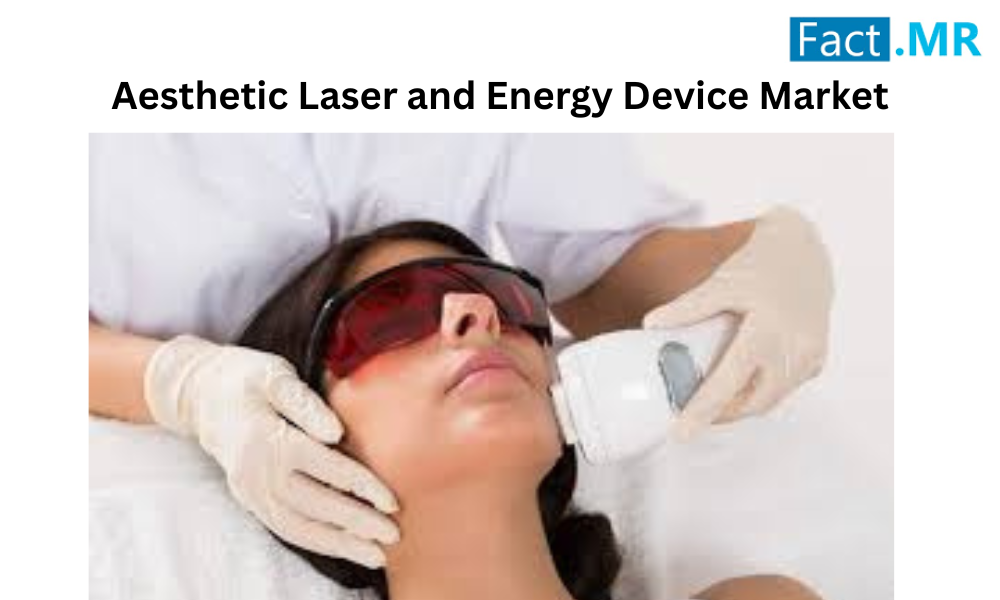
The global aesthetic laser and energy device market is poised for significant expansion, with its valuation expected to rise from USD 2.93 billion in 2024 to USD 5.29 billion by 2034. This growth trajectory reflects a robust compound annual growth rate (CAGR) of 6.1% over the forecast period from 2024 to 2034. The surge is driven by increasing consumer demand for non-invasive cosmetic procedures, technological advancements in laser and energy-based therapies, and a growing emphasis on personal appearance and wellness. As societal norms evolve towards embracing aesthetic enhancements, these devices are becoming integral to dermatology and cosmetic practices, offering solutions for skin rejuvenation, body contouring, and hair removal. The market’s momentum is further bolstered by rising disposable incomes in emerging economies and the integration of artificial intelligence (AI) and machine learning (ML) for personalized treatments, making aesthetic procedures more accessible and effective.
Aesthetic Laser and Energy Device Market Segmentation and Trends:
The aesthetic laser and energy device market is segmented by product type, technology, application, end user, and region, providing a comprehensive view of its dynamics. Product types include laser resurfacing devices, body contouring devices, aesthetic ophthalmology devices, and others, with laser resurfacing devices leading due to their efficacy in treating skin imperfections. By technology, the market covers IPL-based, laser-based, LED-based, RF-based, ultrasound-based, and others, where IPL-based technologies are projected to reach USD 1.01 billion by 2034, growing at a CAGR of 6.3%. Applications encompass body shaping, hair removal (expected CAGR of 6.3%), facial & skin treatment, tattoo removal, vascular treatment, intimate wellness, scars & striae, and others.
End users include hospitals, cosmetic clinics, home care settings, and beauty centers & spas. Regionally, the market spans North America, Latin America, Europe, East Asia, South Asia & Oceania, and the Middle East & Africa. Emerging trends include the rise of at-home devices for convenience, multifunctional systems combining multiple technologies, and sustainable manufacturing practices to align with eco-conscious consumer preferences.
Full Market Report Available for Delivery. For Purchase or Customization, Please Request Here: https://www.factmr.com/connectus/sample?flag=S&rep_id=9136
Driving Factors Behind Market Growth:
Several key factors are propelling the aesthetic laser and energy device market forward. The growing preference for non-invasive and minimally invasive procedures, which offer quicker recovery times and reduced risks compared to surgical options, is a primary driver. Technological innovations, such as fractional lasers and AI-integrated systems, enhance treatment precision and outcomes, attracting a broader patient base. Cultural shifts emphasizing beauty and self-care, particularly in regions like East Asia, are boosting demand for procedures like hair removal and skin rejuvenation. The aging global population seeks anti-aging solutions, while younger demographics pursue preventive aesthetics. Increasing medical tourism in countries with advanced facilities, coupled with favorable reimbursement policies in developed markets, further accelerates growth. Additionally, the expansion of e-commerce and social media influences consumer awareness, driving sales of home-use devices and professional treatments.
Recent Developments and Key Players:
The aesthetic laser and energy device market is highly competitive, with key players focusing on innovation, strategic partnerships, and global expansion to strengthen their positions. Recent developments underscore the industry’s commitment to advancing technology and safety. In June 2022, Cynosure Inc. launched the world’s first FDA-cleared 755nm Picosecond Laser, designed for pigmentation treatment, skin revitalization, and other aesthetic concerns, suitable for all skin types. This introduction highlights the trend towards versatile, patient-friendly devices. Leading companies are also adopting customer-centric strategies, including new product launches and collaborations to enhance market penetration.
Key players profiled in the market include Allergan plc (AbbVie Inc.), Mentor Worldwide LLC (Johnson & Johnson), Alma Lasers (Fosun Pharmaceutical Co., Ltd.), Bausch Health Companies Inc., Merz Pharma, Hologic, Inc., Novartis AG, Cutera Inc., Lumenis Ltd., Syneron Candela, Cynosure (A division of Hologic Inc.), Fotona d.o.o., Sciton Inc., Lutronic Corporation, Venus Concept Ltd., El.En. S.p.A., Solta Medical Inc. (A division of Bausch Health Companies Inc.), Lynton Lasers Ltd., Quanta System S.p.A., Cutera (Australia) Pty Ltd., Imdad LLC, Viora Ltd., LISA Laser Products GmbH, and Fotofinder Systems GmbH.
Competitor analysis reveals a focus on R&D for multifunctional devices and regulatory compliance. Companies like Hologic and Lumenis are investing in AI-enhanced platforms for personalized treatments, while others expand through acquisitions to broaden portfolios. The market sees intense rivalry in innovation, with firms prioritizing energy-efficient, user-friendly designs to meet diverse clinical needs.
Regional Insights and Opportunities:
North America leads the aesthetic laser and energy device market, with a valuation of USD 680 million in 2024, projected to reach USD 1.34 billion by 2034, holding a 23.2% market share in 2024. The United States, valued at USD 543 million in 2024, is expected to grow at a CAGR of 7.3% to USD 1.1 billion by 2034, driven by high demand for non-invasive procedures and advanced healthcare infrastructure. Europe benefits from well-established medical systems, with Germany emphasizing precision technologies.
East Asia is anticipated to capture 30.8% of the global market share by 2034, reaching USD 1.63 billion, fueled by cultural beauty standards and rapid adoption of aesthetic treatments. South Korea’s market, starting at USD 162 million in 2024, is projected to grow at a CAGR of 7.3% to USD 329 million by 2034, supported by medical tourism and innovative skincare solutions. China and Japan also contribute significantly through technological advancements and consumer spending.
Latin America, South Asia & Oceania, and the Middle East & Africa present emerging opportunities, with rising disposable incomes and expanding cosmetic clinics. Partnerships with local distributors and investments in training programs are key to penetrating these markets, where demand for affordable, effective devices is on the rise.
Challenges and Future Outlook:
Despite its growth, the aesthetic laser and energy device market faces challenges, including high initial investment costs that limit adoption in smaller clinics and safety concerns such as potential side effects like redness, swelling, hyperpigmentation, or scarring, which necessitate stringent regulations and training. Economic fluctuations can impact discretionary spending on aesthetics, while competition from alternative therapies poses threats.
However, the market’s future is promising, with opportunities in untapped regions and the integration of AI for enhanced diagnostics and treatments. Advancements in portable, home-use devices will democratize access, while sustainability initiatives, such as energy-efficient designs, align with global environmental goals. As consumer awareness grows and technologies evolve, the aesthetic laser and energy device market is well-positioned for sustained expansion, transforming the landscape of cosmetic care through 2034.
Check out More Related Studies Published by Fact.MR:
Aesthetic Medicine Market: https://www.factmr.com/report/aesthetic-medicine-market
Medical Aesthetic Devices Market: https://www.factmr.com/report/medical-aesthetic-devices-market
Contact:
US Sales Office
11140 Rockville Pike
Suite 400
Rockville, MD 20852
United States
Tel: +1 (628) 251-1583, +353-1-4434-232
Email: [email protected]
About Fact.MR
We are a trusted research partner of 80% of fortune 1000 companies across the globe. We are consistently growing in the field of market research with more than 1000 reports published every year. The dedicated team of 400-plus analysts and consultants is committed to achieving the utmost level of our client’s satisfaction.



