
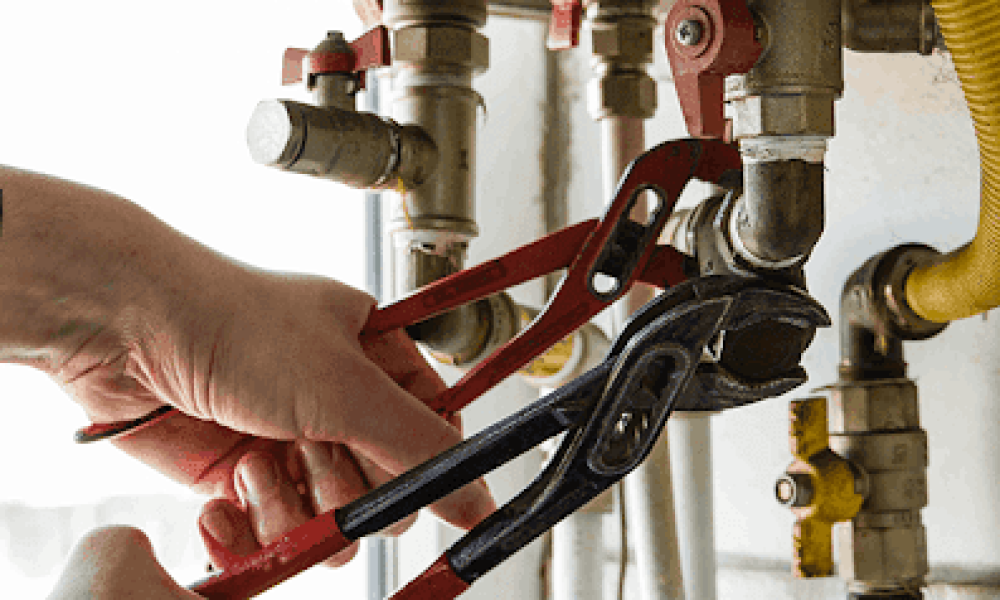
Boilers are a crucial component of many homes, providing warmth and comfort during the colder months. However, like any other appliance, they require regular maintenance to ensure they operate efficiently and safely. Neglecting boiler maintenance can not only lead to decreased efficiency but also pose safety risks to your home and family. In this article, we’ll explore seven essential tips on boiler maintenance that every homeowner should know to keep their heating system running smoothly.
- Regular Inspection and Cleaning
Regular inspection and cleaning are paramount to maintain the efficiency and longevity of your boiler. Dust, dirt, and debris can accumulate over time, hindering the boiler’s performance. It’s essential to visually inspect the boiler and its components for any signs of wear or damage. Additionally, cleaning the boiler’s interior and exterior surfaces can prevent blockages and improve airflow.
- Checking for Leaks
Leaks in your boiler system can lead to water damage and even structural issues if left unaddressed. Check for any visible leaks around the boiler, pipes, and connections. Additionally, monitor the pressure gauge for fluctuations, as sudden drops in pressure could indicate a leak. Addressing leaks promptly can prevent costly repairs and potential water damage to your home.
- Monitoring Pressure and Temperature
Monitoring the pressure and temperature of your boiler is crucial for its efficient operation. High pressure or temperature can put excessive strain on the system, leading to breakdowns or even safety hazards like explosions. Conversely, low pressure or temperature can indicate a malfunction that requires immediate attention. Regularly check and adjust the pressure and temperature settings according to the manufacturer’s recommendations. Additionally, keeping a log of pressure and temperature readings can help track any fluctuations over time, allowing for early detection of potential issues and proactive maintenance to prevent costly repairs.
- Bleeding Radiators
Air can accumulate in your boiler’s radiators over time, reducing their efficiency and heat output. Bleeding the radiators releases trapped air, allowing hot water to circulate freely and evenly. This simple maintenance task can improve the overall performance of your heating system and ensure consistent warmth throughout your home.
- Ensuring Proper Ventilation
Proper ventilation is essential for the safe operation of your boiler. Ensure that vents and air intakes are free from obstructions such as debris, snow, or foliage. Blocked vents can cause carbon monoxide buildup, posing a severe risk to your household’s health. Regularly inspect and clear vents to maintain proper airflow and ventilation.
- Annual Professional Servicing
While DIY maintenance tasks are essential, they should not replace professional servicing by a qualified technician. Schedule an annual boiler service to thoroughly inspect and tune up your system. A professional technician can identify and address potential issues before they escalate, ensuring your boiler operates safely and efficiently throughout the year.
- Being Mindful of Unusual Noises or Odors
Unusual noises or odors coming from your boiler can indicate underlying problems that require immediate attention. Hissing, banging, or whistling noises could indicate issues with pressure or water flow, while strange odors could signify leaks or combustion problems. If you notice any unusual signs, shut off your boiler immediately and contact a professional technician for inspection and repairs.
DIY vs. Professional Maintenance
While DIY maintenance tasks can help homeowners keep their boilers in good condition, certain tasks are best left to professional technicians. DIY maintenance should complement rather than replace professional servicing, which ensures thorough inspection and repairs by qualified experts.
Signs That Your Boiler Needs Immediate Attention
- Persistent leaks or dripping water
- Uneven heating or cold spots in radiators
- Sudden increase in energy bills without a corresponding increase in usage
- Foul odors or unusual noises coming from the boiler
- Inconsistent water pressure or temperature
Regular maintenance and prompt attention to any signs of trouble can prolong the lifespan of your boiler and ensure the safety and comfort of your home.
Conclusion
Proper boiler maintenance is essential for ensuring the efficiency, safety, and longevity of your heating system. By following these seven tips, homeowners can effectively maintain their boilers and prevent costly repairs or safety hazards. Remember to schedule regular inspections, address any issues promptly, and seek professional help when needed to keep your boiler running smoothly year-round.