
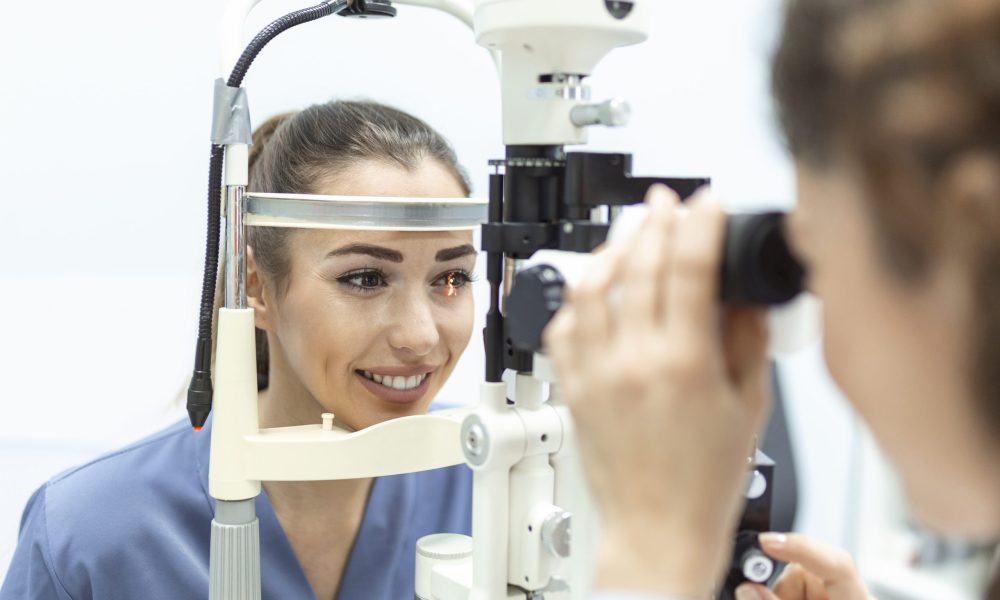
Vision is often the sense people fear losing the most. We rely heavily on our eyes to navigate the world, recognize the faces of our loved ones, and experience the beauty around us. Deep inside the eye lies a delicate, light-sensitive layer of tissue called the retina. Think of it as the film in a traditional camera. No matter how clear the lens is on the outside, if the film in the back is damaged, the picture just won’t turn out.
When things go wrong in the back of the eye, you need highly specialized care. A skilled retina surgeon has the training, steady hands, and technology to diagnose and treat complex conditions that threaten your vision. These specialists handle the most intricate ocular problems, often stepping in when standard optometry or general ophthalmology isn’t enough to solve the issue. Let’s look at the specific, life-changing ways these medical professionals work to save your eyesight.
Repairing a Retinal Detachment
One of the most frightening ocular emergencies a person can experience is a retinal detachment. This happens when the retina actually pulls away from its normal position at the back of the eye, cutting off its vital blood supply. People usually notice immediate warning signs like a sudden flurry of new floaters, bright flashes of light in their peripheral vision, or a dark shadow creeping across their line of sight like a curtain. If left untreated, a detachment leads to permanent blindness. Fortunately, a specialized surgeon can reattach the tissue using a few different surgical techniques. They might inject a temporary gas bubble into the eye to push the retina back into place, or they might secure a tiny, flexible silicone band around the outside of the eye to relieve the pulling forces. By acting quickly and precisely, they restore the blood flow and save the patient’s sight.
Managing Diabetic Retinopathy
Diabetes takes a toll on the entire body, and the eyes are particularly vulnerable to its effects. Over time, chronically high blood sugar levels damage the tiny, fragile blood vessels that nourish the retina. These weakened vessels can leak fluid or bleed into the back of the eye, a condition known as diabetic retinopathy. In the more advanced stages of the disease, the eye attempts to grow new blood vessels to compensate for the poor circulation. Unfortunately, these new vessels bleed easily and create damaging scar tissue. To prevent severe vision loss, a surgeon steps in with highly targeted treatments. They often use specialized laser therapy to safely seal the leaking vessels or shrink the abnormal new growth. They can also administer specific medications directly into the eye to stop the destructive vessel growth in its tracks, preserving the patient’s ability to see clearly.
Treating Age-Related Macular Degeneration
Macular degeneration is a leading cause of vision loss among older adults. It specifically attacks the macula, which is the central portion of the retina responsible for your sharp, detailed vision. When the macula deteriorates, everyday tasks like reading a book, driving a car, and recognizing faces become incredibly difficult. While the dry form of this disease progresses rather slowly, the wet form is much more sudden and destructive. Wet macular degeneration involves abnormal blood vessels growing beneath the retina and leaking fluid, disrupting the macula’s function. A retina specialist manages this condition through a careful series of anti-VEGF injections. While eye injections sound intimidating, they are actually a routine and relatively painless way to halt the growth of those harmful blood vessels. By keeping the disease at bay, the surgeon helps patients maintain their independence and central vision.
Fixing Macular Holes and Puckers
As we age, the jelly-like substance filling the inside of the eye, called the vitreous, slowly shrinks and pulls away from the retinal surface. Usually, this process happens smoothly without a hitch. Sometimes, though, the vitreous sticks stubbornly to the macula and pulls on it too hard. This tension can create a tiny tear known as a macular hole, or it can cause scar tissue to form and wrinkle the retina, which is called a macular pucker. When this happens, straight lines might look wavy, and central vision becomes distorted and blurry. To fix this, the surgeon performs a delicate procedure called a vitrectomy. They use microscopic instruments to remove the vitreous gel and gently peel away the offending scar tissue, allowing the macula to flatten back out and heal properly over time.
Handling Severe Trauma and Infections
Accidents happen when we least expect them, and severe eye injuries require immediate, expert attention. Whether it is a blunt force injury from a sporting accident or a penetrating wound from a workshop mishap, the resulting damage to the back of the eye can be catastrophic. A retina specialist is fully equipped to handle these complex traumas, piecing the delicate tissues back together and clearing out any internal bleeding so light can reach the retina once again. Beyond physical injuries, they also treat severe internal eye infections called endophthalmitis. If dangerous bacteria get inside the eye following a separate surgery or an injury, the infection can destroy the vision in a matter of hours. The surgeon can inject powerful antibiotics directly into the affected area or perform emergency surgery to clear out the infection and save the eye.
Protecting your eyesight is an ongoing, lifelong process. While we often take our vision for granted, knowing that specialized help exists provides incredible peace of mind. These dedicated professionals use microscopic tools, advanced lasers, and cutting-edge medications to repair tissues that are fractions of a millimeter thick. The key to successful treatment always lies in early detection. You shouldn’t wait until your vision is noticeably impaired to seek help. By maintaining a steady schedule of regular dilated eye exams and paying close attention to any sudden changes in your sight, you give these highly trained specialists the best possible chance to step in, treat the problem, and preserve your view of the world.




