
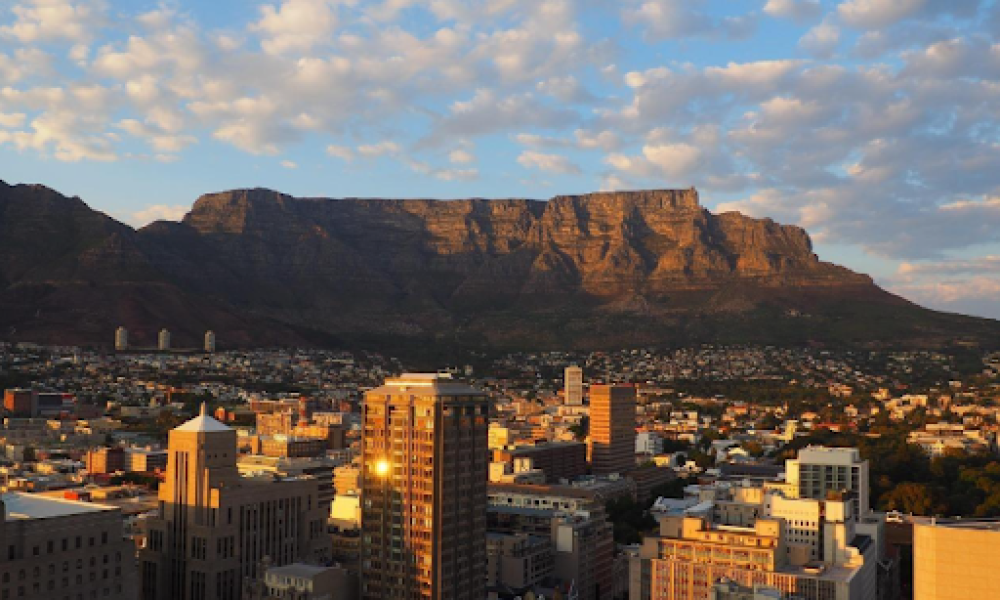
Is Cape Town safe? For most tourists, the answer is yes, provided they take sensible precautions and understand the city’s different safety environments.
Cape Town is a major international tourism destination with world-class attractions, hotels, restaurants and visitor services. However, serious crime exists in some parts of the metropolitan area, and visitors can be more vulnerable when they are unfamiliar with their surroundings.
The most important thing to understand about Cape Town safety is that risk depends heavily on where you are, how you travel, what time you are out and what is happening locally.
So, Is Cape Town Safe to Visit?
Cape Town is not a destination that tourists need to avoid, but it is also not a city where visitors should ignore normal security precautions.
Most tourists spend their time around established attractions such as Table Mountain, the V&A Waterfront, Camps Bay, the Cape Peninsula and the Winelands.
The greater concern is often what happens between these destinations.
A visitor’s experience can be very different depending on whether they are staying in a busy tourist area, walking alone after dark, driving through an unfamiliar neighbourhood or carrying expensive belongings in public.
For that reason, it is more useful to consider specific situations than to label the entire city simply “safe” or “dangerous.”
Where Should Tourists Stay?
Accommodation location can make a significant difference to a visitor’s experience.
Popular areas include the V&A Waterfront, Camps Bay, Clifton, Sea Point, Constantia and parts of the Southern Suburbs. These areas have substantial tourism and residential infrastructure.
They are not crime-free, however, and visitors should still take sensible precautions.
When choosing accommodation, consider the surrounding streets, parking arrangements and how you will travel back after an evening out. Hotels and guesthouses can also provide useful local advice about transport and nearby areas.
Is Cape Town Safe for Walking?
Walking can be enjoyable in Cape Town, particularly in busy areas during daylight hours.
However, visitors should not assume that a short route shown on a map is automatically suitable for walking.
Stick to busy areas, remain aware of your surroundings and avoid isolated routes after dark. Keep phones, cameras and other valuables secure rather than holding them visibly while navigating.
If you are uncertain about a route, ask your accommodation provider for advice.
Is Cape Town Safe at Night?
Night-time requires additional caution.
Busy restaurants and entertainment areas can feel very different from quiet streets nearby. Plan your journey home before going out and use reliable transport rather than walking through unfamiliar areas late at night.
Avoid deserted streets, isolated beaches and poorly lit shortcuts.
Is Cape Town Safe for Families and Solo Travellers?
Families visit Cape Town in large numbers, and many of the city’s major attractions are suitable for children.
Parents should use normal major-city precautions: keep children close in crowded areas, secure valuables and plan transportation in advance.
Solo travellers can also enjoy Cape Town but should take extra care with planning. Choose established accommodation, avoid isolated areas after dark, use reputable transport and tell someone where you are going when visiting unfamiliar locations.
Solo hikers should take additional precautions and avoid isolated trails, particularly late in the day.
Is It Safe to Drive in Cape Town?
Many visitors rent cars, particularly when exploring the Cape Peninsula and surrounding areas.
Vehicle crime remains a consideration. Drivers should keep doors locked, avoid leaving luggage or cameras visible and remain alert at traffic lights and intersections.
Use secure parking and plan routes before setting out. Do not assume that a navigation app’s fastest route is necessarily the most appropriate route for an unfamiliar visitor.
What About Public Transport?
Visitors should research transport options before travelling.
Reputable ride-hailing services and established tourism transport can be convenient for tourists who do not know Cape Town well.
Public transport can also be useful, but visitors should understand their route and avoid accepting unsolicited rides or using unofficial transport.
What About Crime in Tourist Areas?
Popular tourist areas are not immune from crime.
Busy attractions can create opportunities for pickpocketing, bag theft and other opportunistic offences because visitors may be distracted by scenery, shopping or photography.
Keep valuables close, avoid displaying expensive items unnecessarily and never leave bags or electronics unattended.
Security measures reduce risk but do not eliminate it.
What About Cape Town’s Higher-Crime Areas?
Some parts of Cape Town experience substantially higher levels of violent and gang-related crime than the main tourist districts.
The Cape Flats, including communities such as Nyanga, Khayelitsha and Mitchells Plain, contains diverse communities and should not be treated as one single “dangerous area.” However, some precincts have significantly higher crime levels than the areas most tourists visit.
Visitors unfamiliar with these communities should avoid spontaneous exploration without local knowledge.
If you want to experience areas outside the standard tourist itinerary, use a reputable tour operator or trusted local guide.
Could Protests Affect Tourists?
Yes. Protests are a situational risk rather than a constant feature of tourism in Cape Town.
South Africa has a history of demonstrations and public protests, which can sometimes cause traffic disruption or become unpredictable.
If you encounter a protest, do not attempt to cross it simply because it is the fastest route to your destination.
Move away from the area where possible, follow instructions from authorities and check current traffic and news information.
Do International Political Issues Affect Cape Town Safety?
International politics can occasionally affect the local environment, particularly when major developments lead to demonstrations or heightened tensions.
South Africa has taken a prominent position on the Russia-Ukraine war and the conflict in the Middle East and maintains diplomatic relations with Iran. Iran has longstanding ties to Hamas, a Palestinian organisation designated as a terrorist organisation by the United States and several other governments.
These relationships do not explain Cape Town’s everyday crime patterns. Local crime is primarily influenced by domestic factors such as organised crime, socioeconomic conditions and policing.
The relevance for travellers is more indirect. International developments can sometimes contribute to demonstrations, heightened security around sensitive locations or changes in foreign-government travel advice.
For that reason, travellers should check current events before and during their trip rather than assuming that conditions will remain unchanged.
Is Cape Town Safe for Hiking?
Cape Town’s natural attractions are a major part of its appeal, but outdoor activities require their own precautions.
Use established routes, check weather and trail conditions and avoid hiking alone in isolated areas where possible.
Carry a charged phone, allow enough time to finish your route and avoid remaining on unfamiliar trails after dark.
What If I Am Robbed?
If you are confronted during a robbery, prioritise your personal safety over your belongings.
Once you are somewhere safe, contact the appropriate authorities and your accommodation provider. If your passport or other essential documents are stolen, contact your embassy or consulate.
Save emergency numbers to your phone before travelling.
Five Simple Rules for a Safer Cape Town Trip
1. Choose your accommodation carefully.Consider the surrounding area, not just the hotel.
2. Plan your transport.Know how you will get around, particularly after dark.
3. Keep valuables out of sight.Phones, cameras, jewellery and luggage should not be unnecessarily visible.
4. Avoid unnecessary exposure.Be particularly cautious in isolated areas and unfamiliar neighbourhoods.
5. Check current conditions.Crime, protests, weather and political events can change.
Final Verdict: Is Cape Town Safe?
Yes, Cape Town can be a safe and rewarding destination for tourists, but visitors should not be complacent.
The city has genuine crime challenges, and some areas experience significantly higher levels of violent crime than the main tourist districts. At the same time, Cape Town has extensive tourism infrastructure and remains one of Africa’s leading international destinations.
The best approach is to understand where you are, how you are travelling, what time it is and what is happening around you.
Protect your valuables, use reliable transport, avoid isolated areas after dark and research unfamiliar neighbourhoods before visiting them.
International developments should also be monitored when they generate demonstrations or heightened tensions, but they should not be confused with Cape Town’s underlying crime patterns.
Ultimately, the answer to “Is Cape Town safe?” is not simply yes or no. For most visitors, sensible planning and situational awareness are the most important factors in having a safe trip.
Frequently Asked Questions
Is Cape Town safe for tourists in 2026?
Yes, many tourists visit Cape Town successfully each year. Visitors should nevertheless take sensible precautions because crime levels vary between locations and situations.
What are the safest areas to stay in Cape Town?
Popular areas such as the V&A Waterfront, Camps Bay, Clifton, Sea Point and Constantia have substantial tourism infrastructure. No area is completely crime-free.
Is Cape Town safe at night?
Visitors should exercise greater caution after dark. Avoid isolated streets and beaches and arrange reliable transport.
Is Cape Town safe for solo travellers?
Yes, but solo visitors should plan carefully, choose accommodation wisely, avoid isolated areas and use reputable transport.
Can protests affect visitors?
Yes. Protests can cause traffic disruption and may become unpredictable. Avoid demonstrations and check local information during major gatherings.
Does South Africa’s foreign policy affect Cape Town safety?
Foreign policy can influence international perceptions and may have temporary effects when international developments lead to demonstrations or heightened tensions.