
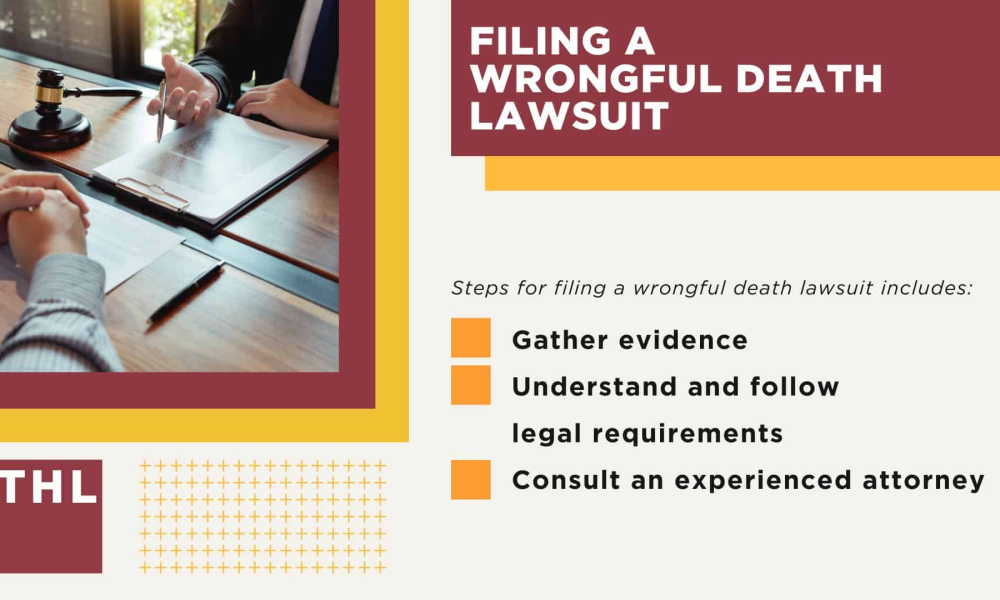
A wrongful death claim is a civil lawsuit brought on behalf of a deceased person’s family when that death was caused by the negligent, reckless, or intentional conduct of another party. It’s distinct from any criminal charges that may be filed — a wrongful death claim exists entirely in civil court and is focused on financial compensation for the family rather than criminal punishment for the responsible party.
Virginia’s Wrongful Death Act governs these claims in the Commonwealth, and it defines both who can bring a claim and what categories of damages are recoverable. The claim is filed by the personal representative of the deceased person’s estate, but the compensation flows to the beneficiaries — typically the surviving spouse, children, or other close family members depending on the circumstances.
The categories of recoverable damages under Virginia law include the financial support the deceased would have provided to the family over their lifetime, funeral and burial expenses, medical expenses incurred from the injury that caused death, and compensation for the family’s sorrow, mental anguish, and loss of companionship. In cases involving particularly reckless or willful conduct, punitive damages may also be available.
Who Can File a Wrongful Death Claim in Virginia
One of the most common sources of confusion in wrongful death cases is who actually has standing to bring the claim. Under Virginia law the lawsuit is filed by the personal representative of the deceased’s estate — often called the executor or administrator — but that person may or may not be the same as the primary beneficiary.
The beneficiaries who stand to receive compensation from a Virginia wrongful death claim are prioritized in the following order: the surviving spouse and children first, then the surviving spouse and parents if there are no children, then other relatives who were dependent on the deceased if there is no surviving spouse. The specific facts of each case — who was financially dependent on the deceased, what the family structure looks like, and how the estate is organized — affect how compensation is distributed, which is one of the reasons working with an experienced wrongful death attorney matters from the very beginning of the process.
The Two-Year Window and Why It Matters
Virginia imposes a two-year statute of limitations on wrongful death claims, meaning the lawsuit must be filed within two years of the date of death. Two years can feel like a long time when a family is in the middle of grief, but from a legal standpoint the clock starts immediately and the time moves faster than most people expect.
Evidence needs to be preserved before it disappears. Accident reconstruction, medical records, witness statements, employment records establishing the deceased’s earning capacity — all of these are easier to obtain early and harder to reconstruct later. In cases involving commercial vehicles, healthcare providers, or any defendant with institutional resources, the other side’s legal team begins working on the case from the moment of the incident. A family that waits to seek legal representation is starting late against a defendant that isn’t.
There are situations where the two-year period can be affected — cases involving government entities, claims where the victim was a minor, or circumstances where the cause of death wasn’t immediately apparent. An attorney can evaluate the specific timeline for your situation, but the clearest advice is the simplest one: don’t wait.
Common Causes of Wrongful Death Cases in Virginia
The circumstances that give rise to wrongful death claims in the Roanoke area and throughout Virginia cover a wide range of situations, but some categories come up consistently.
Motor vehicle accidents are the most frequent source of wrongful death claims. When a fatal crash is caused by a driver who was speeding, intoxicated, distracted, or otherwise negligent, the family of the victim has the right to pursue compensation beyond what insurance alone may provide. Trucking accidents carry their own set of liability considerations because commercial carriers and their employers may share responsibility for a driver’s conduct.
Medical malpractice is another common source of wrongful death claims, and one of the more legally complex categories. When a healthcare provider’s negligence — a misdiagnosis, a surgical error, a failure to act on known warning signs — results in a patient’s death, the family may have grounds for a wrongful death claim that runs alongside, or separate from, any medical malpractice claim. Virginia’s medical malpractice rules have their own procedural requirements and damage caps that make early legal guidance particularly important in these cases.
Workplace accidents, defective products, and premises liability situations — a fatal fall caused by dangerous property conditions, for instance — round out the most common categories the attorneys at Brown & Brown handle for Virginia and West Virginia families.
What Working With Brown & Brown Actually Looks Like
Brown & Brown has been representing personal injury and wrongful death clients in the Roanoke area and throughout Virginia and West Virginia for over 26 years, with more than $35 million recovered for clients across the firm’s history. For families dealing with a wrongful death situation, the first step is a free case evaluation — a direct conversation with an attorney about the facts of the situation, what claims may be available, and what the realistic process and timeline looks like.
The firm handles wrongful death cases on a contingency fee basis, which means there are no upfront legal fees. Brown & Brown only gets paid if they recover compensation for the family, which removes the financial barrier that often prevents families from getting the legal representation they need at the moment they need it most.
If you’ve lost a family member due to someone else’s negligence in Virginia or West Virginia, the personal injury team at Brown & Brown offers free consultations with no obligation. For West Virginia families specifically, the firm’s West Virginia personal injury office handles wrongful death claims under West Virginia law with the same level of experience and attention.




