
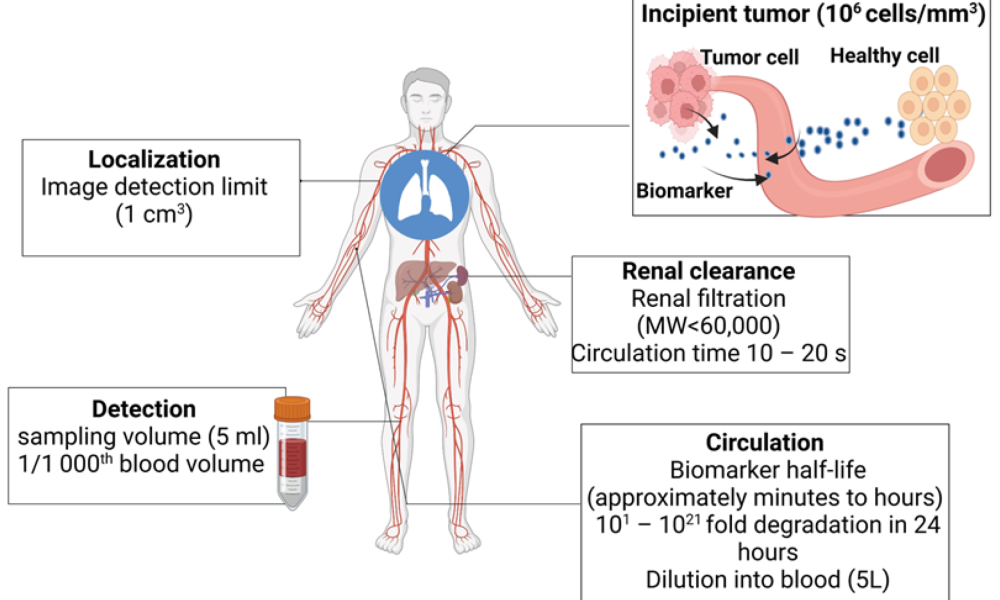
The pediatric cancer biomarkers market has emerged as a vital segment of the broader oncology diagnostics landscape. Biomarkers play a crucial role in detecting, monitoring, and personalizing treatment strategies for childhood cancers, which are often biologically distinct from adult malignancies. Unlike adult tumors, pediatric cancers frequently display unique genetic profiles, necessitating specialized biomarkers for effective diagnosis and therapy. Technological advancements in genomics, proteomics, and metabolomics have significantly fueled the development of pediatric cancer biomarkers, offering clinicians precise tools to identify disease subtypes and guide individualized treatment.
Market statistics underscore the rapid expansion of this segment. The global pediatric cancer biomarkers market is projected to grow from US$ 909.6 million in 2025 to US$ 1,642.4 million by 2032, reflecting a CAGR of approximately 8.8% during the forecast period. This growth is fueled by rising global pediatric cancer incidence, the increasing emphasis on early detection, and widespread adoption of next-generation sequencing (NGS) technologies. Among cancer types, leukemia holds a dominant share due to its well-characterized genetic alterations, while North America stands as the leading geographical region owing to robust healthcare infrastructure, strategic government initiatives, and high investment in pediatric oncology research.
Download Your Free Sample & Explore Key Insights: https://www.persistencemarketresearch.com/samples/35328
Key Highlights from the Report
• Leukemia is expected to account for around 41.7% market share in 2025 due to its prevalence and well-understood genetic profile.
• CD19, CD20, and CD22 biomarkers are projected to hold a 30.4% share, reflecting their significance in B-cell malignancy detection.
• North America is anticipated to generate approximately 44.2% of market revenue in 2025 due to substantial federal funding and advanced research facilities.
• Rising adoption of Next-Generation Sequencing (NGS) is enhancing early diagnosis and personalized treatment strategies.
• Strategic collaborations between biotech firms and research institutions are accelerating novel biomarker development.
• Increasing prevalence of pediatric cancers worldwide is driving the demand for early diagnostic biomarker tests.
Market Segmentation
The pediatric cancer biomarkers market is segmented based on indication, biomarker type, and end-user, allowing a more granular understanding of market dynamics. By indication, leukemia dominates due to its high prevalence and well-characterized genetic markers, followed by neuroblastoma, CNS tumors, and lymphoma. Leukemia, particularly Acute Lymphoblastic Leukemia (ALL), represents the most researched pediatric malignancy, creating a strong patient pool for biomarker validation and clinical trials. Neuroblastoma, a common extracranial solid tumor in children, exhibits molecular heterogeneity, with biomarkers such as ALK mutations and MYCN amplification facilitating targeted therapies.
From a biomarker perspective, the market is categorized into alpha-fetoprotein, neuron-specific enolase, CD19, CD20, CD22, and ALK. Among these, CD19, CD20, and CD22 dominate due to their therapeutic relevance in B-cell precursor Acute Lymphoblastic Leukemia (BCP-ALL). ALK is emerging as a critical biomarker in neuroblastoma, where mutations drive tumor proliferation and survival, and targeted inhibitors like crizotinib have demonstrated clinical potential. End-users of these biomarkers include hospitals, diagnostic laboratories, research institutes, and specialized oncology centers, with hospitals and diagnostic labs forming the largest revenue segment due to increasing pediatric cancer screening and treatment services.
Regional Insights
Geographically, North America is the leading market, driven by significant investments in pediatric oncology research and supportive government initiatives like the Childhood Cancer Data Initiative (CCDI). The U.S. healthcare system’s advanced infrastructure and integration of personalized medicine have facilitated biomarker adoption in pediatric cancer care. Legislative measures such as Kentucky’s HB 180 and Connecticut’s HB 6771 further enhance market growth by mandating insurance coverage for biomarker testing.
In Europe, countries like France and Spain show steady growth due to collaborative research efforts and regulatory support. Initiatives such as the ONCOCHECK project and participation in the European Reference Network on Pediatric Cancer (ERN PaedCan) promote the clinical validation of novel biomarkers, driving innovation in pediatric oncology diagnostics. Meanwhile, Asia Pacific is emerging as a fast-growing market, particularly in India and China, where rising cancer incidence is pushing healthcare providers and governments to invest in diagnostic infrastructure. Advanced genomics programs in Japan and India, including the Genome India Project, are further accelerating biomarker discovery and adoption.
Get Custom Insights Designed for Your Business: https://www.persistencemarketresearch.com/request-customization/35328
Market Drivers
The pediatric cancer biomarkers market is primarily driven by the rising prevalence of childhood cancers and the growing emphasis on early diagnosis. According to the World Health Organization (WHO), approximately 400,000 children and adolescents aged 0–19 are diagnosed with cancer globally each year. Early detection significantly enhances survival rates and reduces the need for aggressive treatments. Biomarker-based diagnostics, particularly those leveraging metabolomics and proteomics, allow for precise identification of cancer subtypes, improving treatment efficacy.
Additionally, the integration of artificial intelligence (AI) and machine learning in biomarker testing has increased the accuracy of early diagnosis. For instance, a 2024 study analyzing pediatric Acute Myeloid Leukemia (AML) patients demonstrated that AI-based models achieved an area under the curve (AUC) of 0.909, highlighting the potential of advanced computational tools in biomarker-driven diagnostics. The growing adoption of NGS technologies for RNA sequencing and Whole-Exome Sequencing (WES) has also expanded personalized treatment opportunities, thereby accelerating market growth.
Market Restraints
Despite promising growth, several challenges limit market expansion. The primary restraint is the genetic heterogeneity of pediatric tumors, which complicates the development of universal biomarkers. Unlike adult cancers, which often present well-characterized mutations, pediatric tumors display diverse genetic profiles, necessitating highly personalized approaches. This variability increases research costs and lengthens development timelines. Furthermore, limited awareness about the availability of specialized biomarker testing in certain regions, particularly in developing countries, restricts market penetration. Regulatory complexities and high development costs also pose challenges to the adoption of standardized biomarker-based diagnostic tools.
Market Opportunities
The pediatric cancer biomarkers market presents significant growth opportunities through personalized medicine and next-generation sequencing technologies. Personalized therapies tailored to the genetic profile of individual tumors have demonstrated remarkable efficacy, with studies reporting that 55% of children receiving personalized treatments achieved complete or partial remission, compared to only 12% under conventional treatment.
Metabolomics-based biomarker discovery offers another promising avenue, as it allows researchers to analyze the biochemical state of tumors. For example, a 2023 PLOS ONE study identified 25 significantly altered metabolites in pediatric medulloblastoma patients, with six showing high diagnostic specificity. These advancements, coupled with the global expansion of genomic research initiatives, are expected to create lucrative growth prospects, particularly in emerging markets.
Checkout Now & Download Complete Market Report: https://www.persistencemarketresearch.com/checkout/35328
Company Insights
The pediatric cancer biomarkers market is highly competitive, with several global leaders and niche players driving innovation through strategic collaborations, product development, and research initiatives. Key market participants include:
• F. Hoffmann-La Roche Ltd
• Abbott
• QIAGEN
• Siemens Healthineers
• Thermo Fisher Scientific
• Beckman Coulter
• Myriad Genetics
• Agilent Technologies
• Bio-Rad Laboratories
• Randox Laboratories Ltd.
• BIOMÉRIEUX
• RayBiotech, Inc.
Recent Developments
In December 2024, St. Jude Children’s Research Hospital researchers identified a panel of 27 blood proteins capable of predicting cardiomyopathy risk in pediatric cancer survivors treated with anthracyclines, improving long-term monitoring and intervention.
In March 2024, researchers at the University of California, San Francisco, discovered a universal biomarker, AF1q, for neuroblastoma, offering a potential breakthrough in diagnosing solid tumors and leukemia in children.
Conclusion
The pediatric cancer biomarkers market is poised for robust growth over the next decade, driven by rising pediatric cancer incidence, technological advancements, and increasing adoption of personalized medicine. While challenges such as genetic heterogeneity and high development costs persist, ongoing innovations in metabolomics, proteomics, and next-generation sequencing are creating new opportunities for targeted and effective pediatric cancer diagnostics. Geographically, North America leads the market due to advanced healthcare infrastructure, substantial research funding, and supportive regulatory measures, while Asia Pacific and Europe are emerging as dynamic growth regions. With expanding collaborations between biotech companies and research institutions, the market is set to witness continued innovation, improved patient outcomes, and the development of cutting-edge biomarkers that will transform pediatric oncology care worldwide.




