
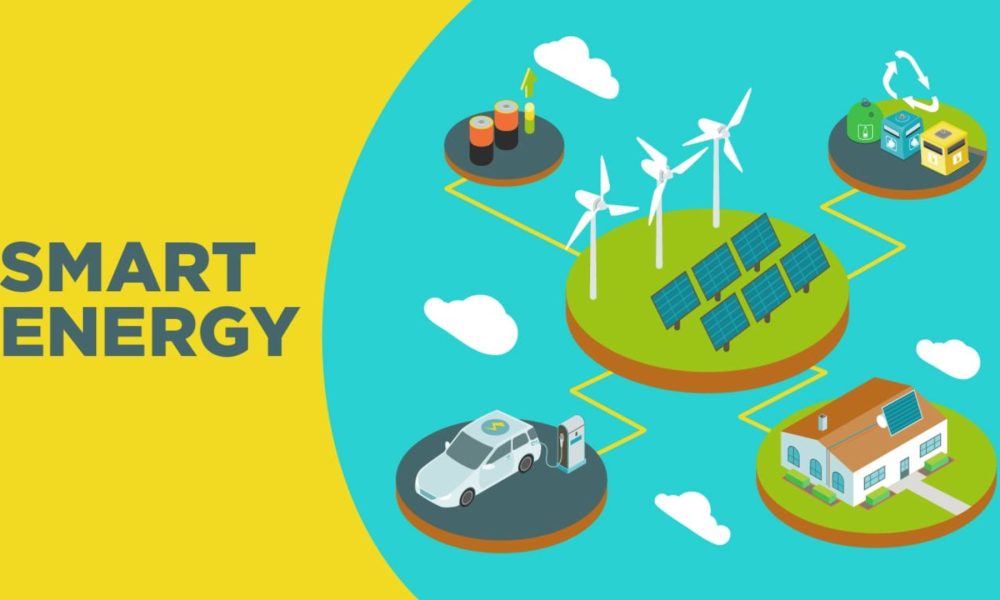
Smart Energy Market Size and Trends Analysis
The global smart energy market is entering a phase of unprecedented expansion, fueled by accelerating electricity demand, rapid digitalization of power infrastructure, and large-scale investments in grid modernization. The market is projected to be valued at approximately US$156.1 billion and is expected to reach US$417.7 billion by the end of the forecast period, registering a remarkable compound annual growth rate (CAGR) of 15.8%. This robust trajectory underscores the strategic importance of intelligent energy systems in supporting decarbonization, energy efficiency, and resilient power networks worldwide.
Market Overview
Smart energy refers to the integration of digital technologies, advanced analytics, smart grids, distributed energy resources, and automation into the traditional energy ecosystem. It encompasses solutions such as smart meters, grid management systems, renewable energy integration platforms, energy storage, demand response systems, and AI-driven energy optimization tools.
As global electricity consumption continues to surge—rising by 4.3% globally according to the International Energy Agency (IEA)—utilities and governments are under mounting pressure to modernize aging infrastructure and ensure grid stability. Smart energy technologies provide real-time monitoring, predictive maintenance, automated fault detection, and demand-side management capabilities that significantly enhance operational efficiency.
Get Your FREE Sample Report Instantly – Click Now: https://www.persistencemarketresearch.com/samples/36185
Key Growth Drivers
- Rising Global Electricity Demand
The rapid electrification of transportation, heating systems, industrial processes, and digital infrastructure is driving sustained electricity demand growth. Emerging economies are experiencing increasing urbanization and industrialization, while developed regions are witnessing higher consumption due to electric vehicle (EV) adoption and data center expansion.
This demand surge necessitates smarter grid systems capable of balancing supply and demand dynamically. Traditional grid infrastructure lacks the flexibility to handle intermittent renewable generation and fluctuating load patterns. Smart energy solutions address this gap by enabling real-time data analytics, distributed control, and automated system optimization.
- Massive Grid Modernization Investments
Global grid modernization investments now exceed US$470 billion annually, reflecting the urgency of upgrading transmission and distribution networks. Aging infrastructure in North America and Europe, combined with new grid development in Asia-Pacific and the Middle East, is accelerating adoption of smart grid technologies.
Modernization efforts include deployment of advanced metering infrastructure (AMI), digital substations, grid-edge intelligence, and energy management systems. These investments aim to reduce outages, enhance resilience against extreme weather events, and support the integration of renewable energy sources.
- Renewable Energy Integration
The rapid expansion of renewable energy capacity—particularly solar and wind—requires sophisticated grid management capabilities. Renewable generation is inherently intermittent and decentralized, making grid balancing more complex.
Smart energy systems enable seamless integration of distributed energy resources (DERs), including rooftop solar, community solar projects, and battery storage systems. Advanced forecasting algorithms and demand response programs allow utilities to stabilize grids while maximizing renewable penetration.
- Digitalization and IoT Adoption
The proliferation of Internet of Things (IoT) devices, AI-driven analytics, and cloud-based platforms has revolutionized energy management. Smart meters provide granular consumption data, enabling consumers to optimize energy use and utilities to implement dynamic pricing models.
Artificial intelligence and machine learning algorithms enhance predictive maintenance, reducing downtime and operational costs. These technologies not only improve efficiency but also open new revenue streams through energy-as-a-service (EaaS) models.
Segmental Insights
Smart Grid Infrastructure
Smart grid infrastructure represents a dominant segment within the smart energy market. It includes advanced metering systems, grid automation technologies, sensors, and communication networks. Utilities are prioritizing these investments to improve grid reliability and reduce transmission losses.
Energy Storage Systems
Energy storage is emerging as a critical enabler of smart energy ecosystems. Battery storage systems provide grid flexibility, support peak load management, and facilitate renewable integration. As battery costs decline and policy support strengthens, storage deployment is expected to accelerate significantly.
Demand Response and Energy Management
Demand response programs allow consumers to adjust electricity usage during peak demand periods in exchange for financial incentives. Combined with smart home technologies and building energy management systems, these solutions contribute to grid stability and cost optimization.
Commercial and industrial sectors are increasingly adopting energy management platforms to reduce energy intensity and meet sustainability targets.
Get a Customized Market View in One Click: https://www.persistencemarketresearch.com/request-customization/36185
Regional Market Dynamics
North America
North America remains a leading market for smart energy solutions due to significant grid modernization initiatives and strong policy support for clean energy transitions. Investments in EV infrastructure, smart metering, and renewable integration continue to drive growth.
Utilities across the United States and Canada are deploying digital technologies to enhance resilience against extreme weather events and cybersecurity threats.
Europe
Europe’s commitment to carbon neutrality and stringent emissions reduction targets is accelerating smart energy adoption. The European Union’s focus on renewable energy expansion and cross-border grid connectivity is stimulating demand for advanced grid management systems.
Energy efficiency directives and smart city initiatives further support regional market growth.
Asia-Pacific
Asia-Pacific is projected to be the fastest-growing region in the smart energy market. Rapid urbanization, industrial growth, and government-led smart city programs are driving large-scale deployment of smart grids and energy management systems.
Countries such as China, India, Japan, and South Korea are investing heavily in renewable energy capacity and digital infrastructure, creating strong demand for intelligent energy solutions.
Emerging Trends Shaping the Market
Electrification of Transportation
The rapid expansion of electric vehicle adoption is reshaping electricity demand patterns. Smart charging infrastructure, vehicle-to-grid (V2G) systems, and integrated energy management platforms are becoming essential components of modern energy ecosystems.
Decentralized Energy Systems
The transition toward decentralized energy production is transforming traditional utility models. Prosumers—consumers who also produce energy through rooftop solar installations—are reshaping grid dynamics. Smart energy systems enable bidirectional power flows and real-time energy trading.
Cybersecurity and Data Protection
As energy systems become increasingly digitized, cybersecurity emerges as a critical priority. Protecting grid infrastructure from cyber threats requires advanced encryption, monitoring, and risk management solutions.
AI-Driven Predictive Analytics
Artificial intelligence is playing an expanding role in energy forecasting, load management, and asset optimization. Predictive analytics reduce operational costs while improving reliability and performance across the energy value chain.
Challenges and Constraints
Despite strong growth prospects, the smart energy market faces several challenges. High initial capital investment requirements can slow adoption, particularly in developing economies. Regulatory fragmentation across regions also creates implementation complexities.
Interoperability issues between legacy systems and new digital technologies may hinder seamless integration. Additionally, data privacy concerns and cybersecurity risks require continuous monitoring and investment.
For In-Depth Competitive Analysis, Buy Now: https://www.persistencemarketresearch.com/checkout/36185
Future Outlook
The smart energy market is poised for transformative growth over the forecast period, driven by structural shifts in global energy systems. With market valuation projected to rise from US$156.1 billion to US$417.7 billion, the sector reflects one of the most dynamic expansions within the broader energy industry.
Accelerating electrification, decarbonization goals, renewable energy deployment, and technological innovation will continue to shape market dynamics. Governments and utilities worldwide are recognizing that intelligent energy systems are no longer optional—they are essential for ensuring sustainable, reliable, and efficient power delivery.
As global electricity demand continues to rise and annual grid investments surpass US$470 billion, smart energy technologies will remain central to building resilient energy infrastructures capable of supporting the digital economy and climate objectives. The coming decade will likely witness deeper integration of AI, storage, IoT, and distributed energy systems, solidifying smart energy as a cornerstone of the future global power landscape.
About Persistence Market Research:
Persistence Market Research delivers strategic research solutions that drive business growth. Founded in 2012 and registered in England and Wales in 2023 as Persistence Research & Consultancy Services Ltd., we have completed 3,600+ custom and syndicated studies and supported 2,700+ projects for leading research firms. Combining traditional methodologies with modern tools, we provide actionable insights to multinational corporations, consultants, investors, and government bodies, earning strong trust through long-term client relationships.
Contact Us:
Persistence Market Research
Second Floor, 150 Fleet Street,
London, EC4A 2DQ, United Kingdom
USA Phone: +1 646-878-6329
UK Phone: +44 203-837-5656
Email: [email protected]
Web: https://www.persistencemarketresearch.com




