
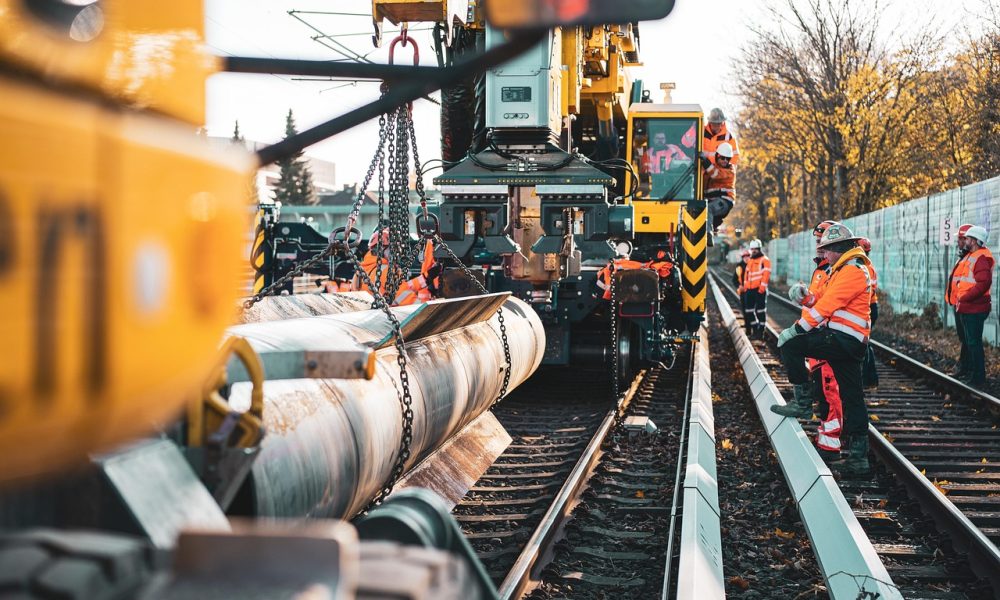
Railroad employees face unique workplace hazards that differ significantly from those encountered in most other industries. Because of these risks, railroad injury claims are governed by a different legal framework than standard workplace injury cases. Understanding how the Federal Employers’ Liability Act (FELA) differs from workers’ compensation is critical for injured workers, employers, and anyone evaluating potential legal remedies after a job-related accident.
This article explores the fundamental distinctions between FELA and workers’ compensation, including eligibility, fault requirements, compensation structures, and legal procedures.
Understanding the Federal Employers’ Liability Act (FELA)
The Federal Employers’ Liability Act is a federal law enacted in 1908 to protect railroad workers injured on the job. Unlike state-based workers’ compensation systems, FELA applies exclusively to railroad employees engaged in interstate commerce.
Purpose and Scope of FELA
FELA was created to address the unusually dangerous conditions faced by railroad workers. It allows injured employees to seek compensation directly from their employer when the railroad’s negligence contributed to the injury. This framework emphasizes accountability and safety improvements across the rail industry.
Who Is Covered Under FELA?
FELA covers most railroad employees, including conductors, engineers, maintenance-of-way workers, signal operators, and yard workers. Independent contractors are generally excluded, and the injury must occur in the course of employment related to railroad operations.
Overview of Workers’ Compensation Systems
Workers’ compensation is a state-regulated insurance-based system that provides benefits to employees injured during the course of employment, regardless of fault.
The No-Fault Structure
Under workers’ compensation, employees do not need to prove that their employer caused the injury. In exchange for this streamlined process, workers typically relinquish the right to sue their employer for negligence.
Typical Workers’ Compensation Benefits
Workers’ compensation benefits often include:
- Medical treatment coverage
- Partial wage replacement
- Temporary or permanent disability benefits
- Vocational rehabilitation
However, these benefits are usually capped and do not include compensation for pain and suffering.
Key Differences Between FELA and Workers’ Compensation
While both systems address workplace injuries, their legal foundations and outcomes differ substantially.
Fault vs. No-Fault Liability
FELA Requires Proof of Negligence
Under FELA, the injured railroad worker must prove that the employer’s negligence played some role—however small—in causing the injury. Negligence may include unsafe working conditions, inadequate training, defective equipment, or failure to follow safety regulations.
Workers’ Compensation Eliminates Fault Analysis
Workers’ compensation operates on a no-fault basis. Employees receive benefits regardless of who caused the accident, provided the injury occurred within the scope of employment.
Types and Amounts of Compensation Available
Broader Damages Under FELA
FELA allows injured workers to recover a wider range of damages, including:
- Full lost wages (past and future)
- Medical expenses
- Pain and suffering
- Emotional distress
- Loss of enjoyment of life
Because damages are not capped, compensation under FELA can be significantly higher than workers’ compensation benefits in severe injury cases.
Limited Benefits Under Workers’ Compensation
Workers’ compensation benefits are generally limited by statute. Wage replacement is often a percentage of average weekly earnings, and non-economic damages such as pain and suffering are not available.
Legal Process and Claim Handling
Litigation vs. Administrative Claims
FELA claims are handled through the civil court system. Injured workers have the right to file a lawsuit in either state or federal court and may present their case to a jury.
Workers’ compensation claims, by contrast, are handled through administrative agencies. Disputes are resolved by workers’ compensation boards or administrative law judges rather than juries.
Burden of Proof Differences
In FELA cases, the injured worker carries the burden of proving negligence. However, the standard of proof is more lenient than in typical personal injury cases—often described as “featherweight” causation.
Workers’ compensation claims focus less on causation and more on whether the injury is work-related.
Statute of Limitations and Filing Deadlines
Time Limits Under FELA
FELA imposes a three-year statute of limitations from the date of injury or from when the worker knew (or should have known) that the injury was work-related. Missing this deadline can permanently bar recovery.
Workers’ Compensation Deadlines Vary by State
Workers’ compensation deadlines vary widely by state and often include short notice requirements to employers, sometimes within days or weeks of the injury.
Employer Defenses and Employee Responsibilities
Comparative Negligence Under FELA
FELA applies a comparative negligence standard. If the injured worker is partially at fault, compensation may be reduced proportionally but not eliminated entirely.
Employer Protections in Workers’ Compensation
In workers’ compensation systems, employers are largely shielded from lawsuits, even if their negligence caused the injury. This trade-off is central to the workers’ compensation model.
The Role of Legal Representation
Because FELA claims involve litigation, evidence gathering, expert testimony, and complex federal law, legal representation plays a crucial role. Railroad employers often have dedicated legal teams, making it important for injured workers to understand their rights and options early in the process.
For workers seeking experienced guidance, FELA lawyers at Poolson Oden provide legal support tailored specifically to railroad injury claims.
You can also learn more about the firm’s professional recognition through their Super Lawyers profile.
Additional Resources on FELA and Workers’ Compensation
For a deeper understanding of how railroad injury claims work under federal law, this guide on railroad worker injuries and FELA claims offers a comprehensive overview of employee rights and employer obligations.
To contrast this with traditional workplace injury systems, consider reading this overview on how workers’ compensation management helps with employee injury claims, which explains how standard claims are handled outside the railroad industry.
Conclusion
Understanding how FELA differs from workers’ compensation is essential for railroad employees navigating the aftermath of a workplace injury. While workers’ compensation offers speed and certainty, FELA provides the opportunity for fuller compensation when employer negligence is involved.
Each system reflects a different balance between efficiency and accountability. Knowing which framework applies—and how it affects your rights—can make a substantial difference in both financial recovery and long-term well-being.