
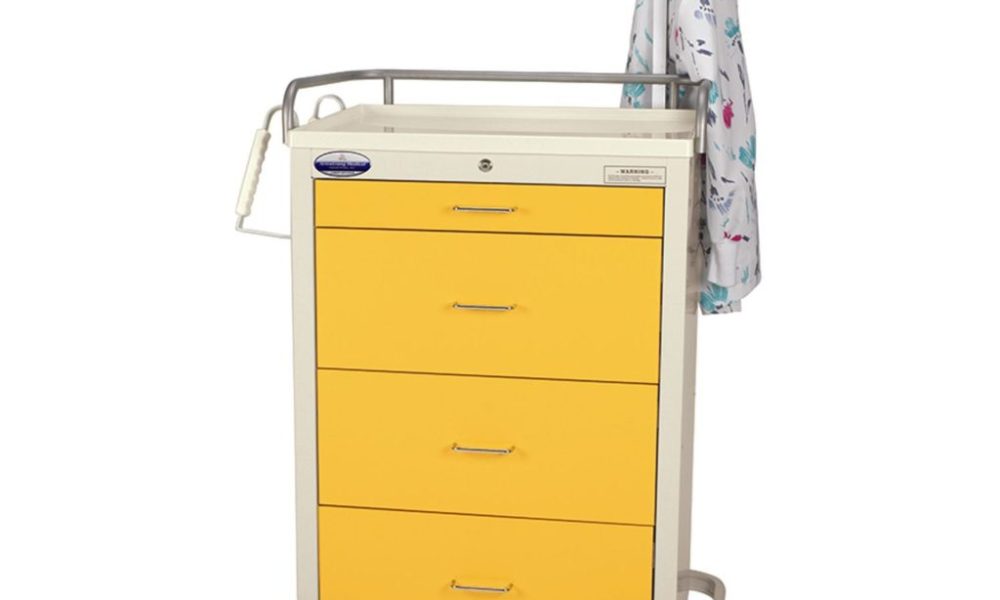
In modern healthcare settings, Medical Carts play a crucial part in improving efficiency and patient care. These versatile tools are central to the operations within hospitals and clinics, serving a variety of purposes from providing mobile workstations to transporting essential medical supplies.
Functionality of Medical Carts
Medical carts are designed to make the healthcare provider’s job easier. They serve as mobile workstations, allowing staff to have immediate access to vital resources while on the move. This mobility reduces time spent retrieving supplies and ensures that all necessary equipment is within arm’s reach.
These carts are equipped with various compartments and attachments to hold medications, documentation, and even technology such as laptops or tablets. With the advent of electronic health records, this adaptability allows for seamless integration into the digital workflow of hospitals, thereby increasing efficiency and accuracy in patient data management.
Enhancing Patient Care
Beyond their functional benefits, medical carts have direct implications for patient care. By reducing the time healthcare professionals spend on administrative tasks, medical carts free up more time for patient interaction. This can lead to improved patient satisfaction and outcomes, as healthcare providers can focus more on diagnosing and treating rather than logistical concerns.
Moreover, having a well-organised medical cart ensures that necessary medical supplies and tools are readily available, reducing the risk of errors. This accessibility can be critical during emergencies when every second counts.
Types of Medical Carts
There are several types of medical carts available, each tailored for specific applications within healthcare settings. Common types include anesthesia carts, crash carts, and isolation carts. Each type is specialised to hold the appropriate equipment and medications needed for specific medical situations.
Anesthesia carts, for example, are stocked with the drugs and equipment necessary for surgical procedures requiring anaesthesia. Crash carts are equipped for emergency resuscitation, while isolation carts hold supplies for treating patients with contagious conditions.
Customization and Ergonomics
Customisation is a key feature of modern medical carts. Healthcare facilities can configure these carts to meet their specific needs, selecting various drawer arrangements, surface types, and locking mechanisms to ensure both workflow efficiency and security.
Ergonomic design is also an important consideration. Medical carts need to be easily manoeuvrable by staff and comfortable to use over long shifts. Features such as adjustable height, lightweight construction, and easy-to-clean surfaces are essential for optimal functionality.
Technological Integration
As technology becomes more integral to healthcare, medical carts are evolving to support these advancements. Many carts now include docking stations for laptops or tablets, as well as power strips for charging devices. This integration facilitates immediate data entry and access to patient records, enhancing the overall workflow and reducing paperwork.
Additionally, some advanced models come equipped with wireless connectivity, enabling real-time communication and updates within the healthcare environment. This capability is pivotal in maintaining up-to-date patient information and treatment protocols.
The Future of Medical Carts
The future of medical carts lies in further technological advancements and increased customisation options. With the push towards more efficient healthcare delivery, medical carts will continue to evolve, incorporating features like telemedicine support and enhanced security measures for data protection.
Furthermore, the integration of AI and the Internet of Things (IoT) could see medical carts becoming even more interactive, with capabilities to alert staff about low supplies or maintenance needs proactively.
Conclusion
Medical carts are indispensable in today’s healthcare landscape. They enhance the efficiency of healthcare professionals, improve patient care, and adapt to the ever-changing technological advancements in the industry. As hospitals and clinics continue to seek ways to streamline operations and improve patient outcomes, the role of medical carts will undoubtedly grow, offering even more innovative solutions in the future.




