
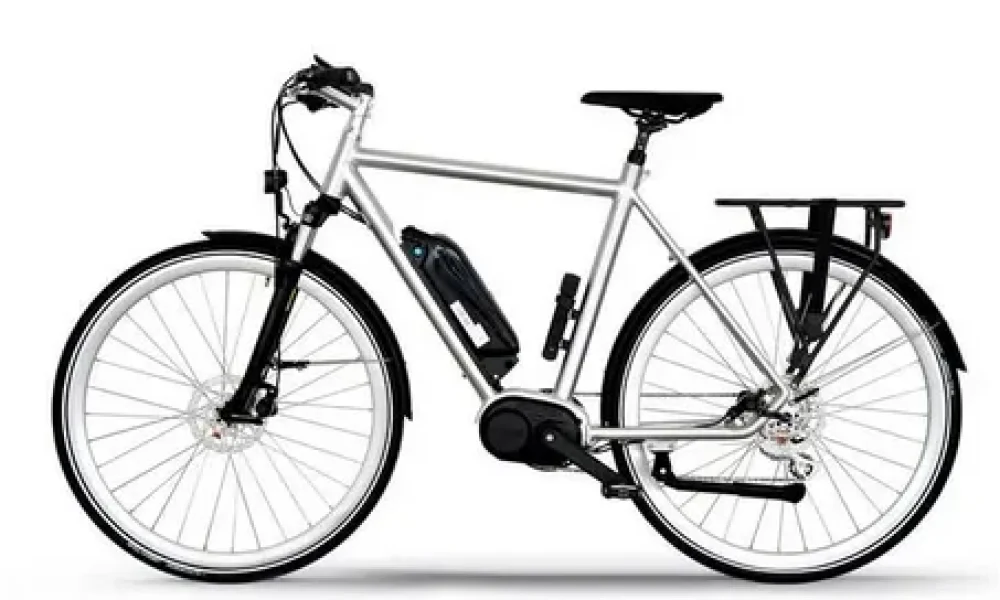
The global bicycle market is set for robust long-term expansion, climbing from USD 72.5 billion in 2025 to USD 112.4 billion by 2035, reflecting a steady CAGR of 4.5%. The surge is supported by a rapid shift toward eco-friendly transportation, growing global health consciousness, and accelerated adoption of electric bicycles (e-bikes) across major urban centers. As governments invest in cycling infrastructure and consumers increasingly seek sustainable mobility solutions, the global bicycle industry is entering a dynamic growth phase despite short-term market disruptions.
The market’s trajectory is reinforced by expanding cycling infrastructure, technology-driven product innovation, and rising consumer preference for cost-effective, healthy, and sustainable transport alternatives.
Market Momentum Driven by Urban Mobility, E-Bike Expansion, and Health Trends
Cities worldwide are embracing cycling as a solution to congestion, emissions, and public health concerns. Governments in the United States, United Kingdom, Germany, South Korea, and India are investing heavily in bike lanes, micro-mobility infrastructure, and cycling incentives. These developments are reshaping mobility patterns and strengthening bicycle adoption across demographics.
Electric bicycles continue to redefine commuting, recreation, and delivery applications. With 40% market share in 2025, e-bikes are the fastest-growing technology segment, driven by improved battery efficiency, greater affordability, and increasing appeal among older adults and urban commuters. Leading brands are expanding product lines with enhanced motor power, extended battery ranges, and integrated smart systems.
Meanwhile, traditional bicycles—especially comfort, hybrid, and cruiser models—remain popular as consumers prioritize wellness, outdoor activities, and leisure cycling.
Subscribe for Year-Round Insights → Stay ahead with quarterly and annual data updates
https://www.futuremarketinsights.com/reports/sample/rep-gb-15196
Comfort Bicycles Maintain Product Leadership with 30% Share in 2025
Comfort bicycles will dominate the market’s product segment, holding 30% market share in 2025. Their ergonomic frames, cushioned seating, and upright riding posture appeal strongly to casual riders, commuters, and older demographics seeking an easy-to-ride solution.
Major manufacturers—including Trek, Schwinn, Specialized, and Giant—continue to innovate with lightweight frames, improved suspension systems, and accessories tailored for effortless daily use. As cycling becomes more mainstream across urban areas, demand for comfort bicycles is expected to remain strong.
Low-Range Bicycles Capture 35% Market Share as Affordability Drives Demand
Affordability is a critical decision factor across emerging economies and early-stage consumer groups. Low-range bicycles—priced for cost-sensitive buyers—will hold 35% market share in 2025. These models dominate markets such as India, Southeast Asia, and Latin America, where bicycles remain core mobility solutions for short-distance commuting and daily use.
Brands including Huffy, Mongoose, and Schwinn lead this price segment by offering durable, practical, and accessible models designed for mass consumption.
Men’s Segment Leads End-User Demand with 50% Market Share
Men will account for 50% of global bicycle purchases in 2025, maintaining a dominant position across commuter, road, and mountain bike categories. Rising interest in outdoor sports, fitness activities, and performance cycling continues to drive demand within this segment.
Manufacturers such as Trek, Cannondale, Giant, and Specialized are capitalizing on this trend through high-performance materials, aerodynamic designs, and advanced suspension technologies.
Industry Challenges: Supply Chain Pressures and Market Fragmentation
Despite long-term growth prospects, the bicycle industry faces significant headwinds in 2025:
- Oversupply & Price Discounts: Brompton Bicycle reported a 99% drop in profits due to oversupply and deep discounting—symptomatic of post-pandemic market corrections.
- Geopolitical Trade Barriers: Kent International halted imports from China due to tariff-driven cost instability in the U.S.
- Fragmented Industry Structure: As noted by Time Bicycles CEO Tony Karklins, the bicycle market remains “not very close-knit,” with limited collaboration and data sharing.
- Supply Chain Disruptions: Component shortages, rising material costs, and logistical delays continue to affect global production timelines.
Despite these challenges, the sector is gradually stabilizing, supported by resurgent demand for green mobility, fitness-driven lifestyles, and e-bike adoption.
Country-Level Growth: South Korea Leads with 8.5% CAGR
The market outlook varies significantly by region, with the fastest growth occurring in East Asia and North America.
United States – CAGR 8.6%
- Strong cycling culture and rising e-bike adoption
- Expanding online sales ecosystem
- Government-backed sustainable mobility initiatives
United Kingdom – CAGR 8.2%
- Robust policy support through national cycling strategies
- Growing preference for folding, hybrid, and electric models
Germany – CAGR 8.3%
- Significant investment in cycling lanes and e-mobility infrastructure
- Strong presence of premium brands like Cube, Canyon, and Haibike
South Korea – CAGR 8.5%
- Health-focused consumer base
- Rapid growth in electric bicycle adoption
- Government programs encouraging urban cycling
India – CAGR 8.1%
- High demand for affordable mobility
- Expanding urban cycling infrastructure
- Strong position of domestic brands such as Hero Cycles and Avon
Personalize Your Experience: Ask for Customization to Meet Your Requirements
https://www.futuremarketinsights.com/customization-available/rep-gb-15196
Competitive Landscape: Global Leaders Expand Innovation Pipelines
The global bicycle market remains moderately consolidated. Leading players—including Giant Bicycles, Trek Bicycle Corporation, Specialized Bicycle Components, SCOTT Sports SA, Accell Group, Merida, and Dorel Industries—command strong presence through product innovation, distribution strength, and brand recognition.
Key strategies include:
- Expansion of e-bike portfolios
- Acquisitions to strengthen market footprint
- Integration of smart systems and connectivity features
- Emphasis on sustainability and lightweight materials
Recent industry developments underscore the momentum:
- Yamaha acquired Brose’s e-bike drive unit division.
- Trek acquired assets of EAV Bikes to boost electric cargo bike offerings.
- Bosch introduced its breakthrough e-Bike ABS braking system.
- Brompton shifted focus to premium models after profit declines.
Outlook
As governments prioritize greener mobility and consumers embrace cycling for commuting, fitness, and recreation, the global bicycle industry is positioned for sustainable long-term growth. Advances in e-bike technology, supply chain stabilization, and expansion of cycling infrastructure will continue to define market evolution through 2035.
Why Choose FMI: Empowering Decisions that Drive Real-World Outcomes: https://www.futuremarketinsights.com/why-fmi
About Future Market Insights (FMI)
Future Market Insights, Inc. (FMI) is an ESOMAR-certified, ISO 9001:2015 market research and consulting organization, trusted by Fortune 500 clients and global enterprises. With operations in the U.S., UK, India, and Dubai, FMI provides data-backed insights and strategic intelligence across 30+ industries and 1200 markets worldwide.



