
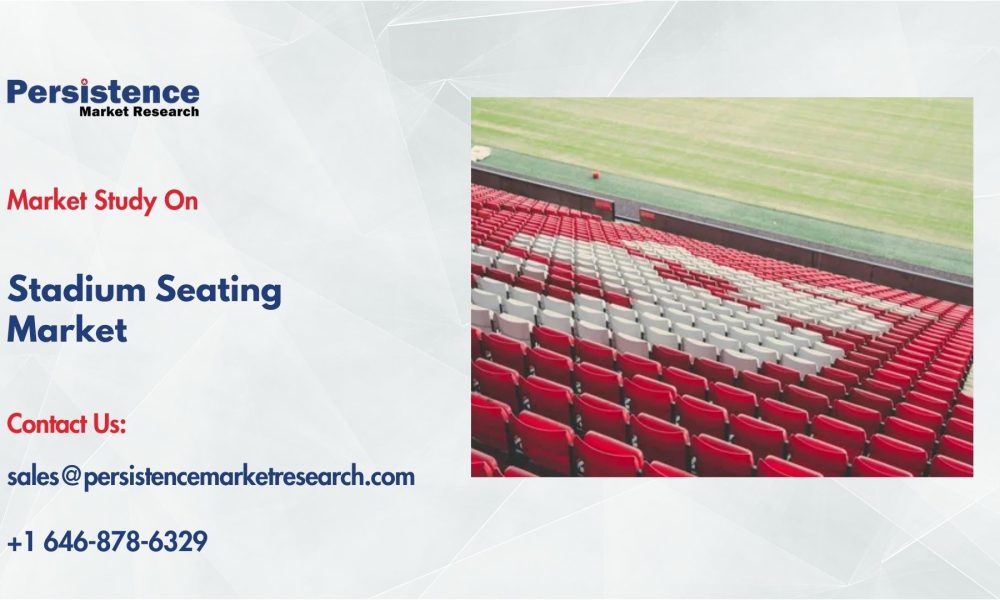
The global stadium seating market size is projected to be valued at US$2.85 Bn in 2025 and is anticipated to reach US$3.92 Bn by 2032, expanding at a CAGR of 1.9% during the forecast period from 2025 to 2032. This market is experiencing steady growth as sports organizations, event managers, and governments increasingly focus on upgrading infrastructure to enhance audience experiences. Rising investments in the modernization of stadiums, coupled with the global popularity of sports such as football, cricket, and athletics, have contributed to the demand for innovative and comfortable seating solutions. Additionally, technological integration, including smart seating with features like charging ports and ergonomic designs, is creating opportunities for seating manufacturers to differentiate their offerings.
Market statistics highlight the importance of comfort, safety, and durability in seating systems as spectators expect high-quality experiences at events. Among the leading segments, fixed seating dominates due to its wide use in large stadiums hosting international tournaments. The Asia-Pacific region holds the largest market share, driven by rapid urbanization, growing sports culture, and massive investments in mega sporting events in countries like China, India, and Japan. The region’s strong pipeline of upcoming sports infrastructure projects continues to fuel demand, positioning it as the most lucrative regional market through 2032.
Key Highlights from the Report
- The market is set to grow from US$2.85 Bn in 2025 to US$3.92 Bn by 2032.
- Asia-Pacific dominates the market with increasing investments in sports infrastructure.
- Fixed seating remains the leading segment owing to its widespread application in stadiums.
- Rising demand for ergonomic and sustainable seating drives innovation in design.
- Government initiatives for upgrading public sports facilities boost market expansion.
- Smart stadium seating with integrated features emerges as a new growth trend.
Market Segmentation
The stadium seating market can be segmented based on product type, end-users, and material preferences. By product type, fixed seating leads the segment as it provides stability, safety, and a permanent solution for high-capacity stadiums. Retractable seating is also gaining traction, particularly in multi-purpose arenas that host both sporting and entertainment events. Portable seating has niche adoption for temporary or smaller-scale events.
Based on end-users, professional sports stadiums contribute the largest market share due to the scale of investment and international audience attraction. Educational institutions, including universities and schools with dedicated sports facilities, also play a significant role in adopting stadium seating. Furthermore, community sports complexes and concert venues are emerging as strong adopters, expanding the scope of the industry.
From a material perspective, plastic and metal seating continue to dominate, offering durability and weather resistance, while sustainable and recyclable materials are being increasingly integrated to meet eco-friendly infrastructure standards.
𝐆𝐞𝐭 𝐚 𝐒𝐚𝐦𝐩𝐥𝐞 𝐏𝐃𝐅 𝐁𝐫𝐨𝐜𝐡𝐮𝐫𝐞 𝐨𝐟 𝐭𝐡𝐞 𝐑𝐞𝐩𝐨𝐫𝐭 (𝐔𝐬𝐞 𝐂𝐨𝐫𝐩𝐨𝐫𝐚𝐭𝐞 𝐄𝐦𝐚𝐢𝐥 𝐈𝐃 𝐟𝐨𝐫 𝐚 𝐐𝐮𝐢𝐜𝐤 𝐑𝐞𝐬𝐩𝐨𝐧𝐬𝐞): https://www.persistencemarketresearch.com/samples/34492
Regional Insights
The Asia-Pacific region dominates the global stadium seating market, fueled by rapid urbanization and the rising popularity of sports. Countries like China and India are investing heavily in constructing modern stadiums, driven by their hosting of international tournaments and growing domestic leagues. Japan and South Korea also contribute significantly, with established sports infrastructures that continue to undergo modernization.
North America remains a strong market, supported by professional leagues such as the NFL, NBA, and MLB, where stadium renovation and premium seating remain critical revenue drivers. In Europe, countries like Germany, the UK, and Spain are upgrading facilities to align with international standards for safety and comfort. Meanwhile, Latin America and the Middle East are emerging regions, where government-backed sports projects and mega events like the FIFA World Cup have accelerated investment in seating infrastructure.
Market Drivers
Several factors are driving the growth of the stadium seating market. First, the increasing number of international sporting events and tournaments has created strong demand for upgraded stadium infrastructure. Second, government initiatives to enhance sports culture and infrastructure investments provide consistent market opportunities. Third, consumer preference for comfort and premium experiences drives the adoption of ergonomic and innovative seating solutions. Additionally, sustainability and smart technology integration are shaping the next wave of market growth as stadiums embrace modern, eco-friendly, and tech-enabled seating systems.
Market Restraints
Despite growth potential, the market faces challenges. High capital investment required for large-scale seating installation often restricts adoption in smaller venues or underfunded regions. Maintenance costs and the need for regular upgrades in existing stadiums also present financial burdens. Moreover, fluctuating demand caused by global events such as pandemics or disruptions in sports calendars can slow market growth. Furthermore, raw material price volatility in plastics and metals adds pressure on manufacturers, affecting cost structures and profitability.
Market Opportunities
The market holds significant opportunities for innovation and expansion. The rising trend of “smart stadiums” paves the way for advanced seating with integrated digital features like charging stations, personalized displays, and app-based seat booking. Eco-friendly and recyclable materials are opening doors for sustainable product lines that align with environmental goals. Emerging markets in Asia, Latin America, and the Middle East represent untapped opportunities with growing sports investments. Furthermore, customization in design, color, and branding provides additional revenue streams for seating manufacturers targeting clubs and event organizers.
Reasons to Buy the Report
- Gain comprehensive insights into the global stadium seating market with accurate forecasts and growth trends.
- Identify key growth drivers, restraints, and opportunities shaping future market dynamics.
- Understand competitive strategies and innovations adopted by leading companies.
- Analyze regional markets to identify high-growth opportunities across Asia-Pacific, North America, and Europe.
- Leverage detailed segmentation analysis to align business strategies with market demand.
Frequently Asked Questions (FAQs)
How Big is the Stadium Seating Market in 2025 and 2032?
Who are the Key Players in the Global Stadium Seating Market?
What is the Projected Growth Rate of the Stadium Seating Market?
What is the Market Forecast for Stadium Seating Through 2032?
Which Region is Estimated to Dominate the Stadium Seating Industry During the Forecast Period?
Company Insights
- Hussey Seating Company
• Irwin Seating Company
• Camatic Seating
• Kotobuki Seating Co., Ltd.
• SERIES Seating
• Ferco Seating Systems
• RECARO Automotive Seating
• Figueras International Seating
• Mobiliario
Recent Developments:
- In 2024, Camatic Seating launched a new line of ergonomic stadium chairs with eco-friendly materials to target sustainability-conscious venues.
- In 2023, Hussey Seating Company collaborated with a leading U.S. sports league to upgrade premium seating in multipurpose stadiums, enhancing audience experience.
In conclusion, the global stadium seating market is on a stable growth trajectory, projected to reach US$3.92 Bn by 2032. With rising investments in sports infrastructure, growing popularity of mega sporting events, and increasing demand for comfort and sustainability, the industry is set for gradual yet consistent expansion. While challenges such as high costs and maintenance persist, opportunities in smart stadium seating, sustainable materials, and emerging markets will continue to drive the market forward. For stakeholders, aligning with innovation and regional growth dynamics will be key to sustaining long-term competitiveness in this evolving landscape.
Explore the Latest Trending Research Reports:




