
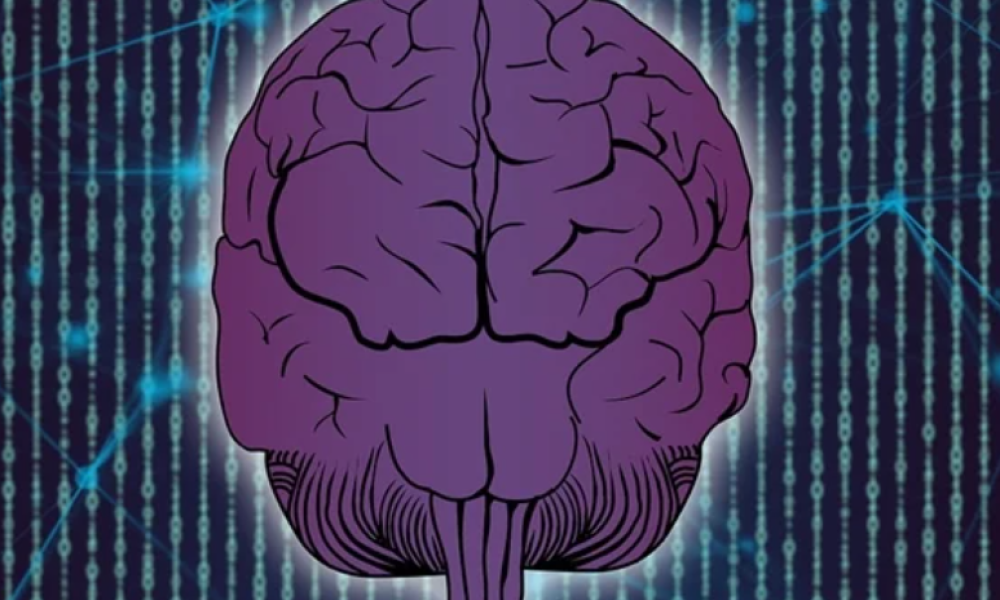
In recent years, with the improvement of artificial intelligence, neurobiology, sensors and other technologies, brain-computer interface technology has developed rapidly. It is called the “information highway” for the human brain to communicate with the outside world, and is a cutting-edge technology for the new generation of human-computer interaction and human-computer hybrid intelligence.
The principle of brain-computer interface is mainly that the brain-computer interface collects brain signals, then pre-processes, extracts features, classifies and recognizes them, and then generates execution signals to control external devices. Finally, the user continues to control and adjust the device according to the feedback information of the device.
From the laboratory to reality
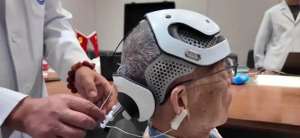
As a “frequent guest” in science fiction works, brain-computer interface is often associated with images such as paralyzed people walking, aphasic people “speaking”, and blind people “recovering their sight”. With the continuous development of technology, brain-computer interface is indeed making these images a reality.
The market size of brain-computer interface is growing rapidly, and the compound growth rate is expected to reach 13.5% from 2019 to 2027. According to data from IMARC Groupe, an international market research organization, the global brain-computer interface market size has been rising year by year, and is expected to reach US$3.3 billion by 2027, with an annual compound growth rate of about 13.5%.
It is worth mentioning that in China, 2025 is regarded by the industry as a key year for the application of brain-computer interfaces, and relevant national departments and localities have issued favorable policies.
Since January, Beijing, Shanghai and Sichuan have successively released five-year action plans to accelerate the development of brain-computer interfaces. At the end of March, China Academy of Information and Communications Technology took the lead in compiling and issuing the “Brain-Computer Interface Standardization Roadmap (2025)”.
On May 12, Sichuan issued the “Sichuan Province Brain-Computer Interface and Human-Computer Interaction Industry Breakthrough Action Plan (2025-2030)”.
It can be said that at present, my country’s brain-computer interface industry is continuing to make efforts in technological progress, policy support, and ecological construction, and many research teams are aiming at the first brain-computer interface medical device license.
Enterprises conduct in-depth research on brain-computer interface technology
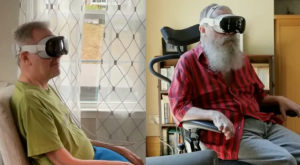
Internationally, there is also heavy news in the field of foreign brain-computer interfaces. Recently, Apple (AAPL) and Synchron reached a cooperation, and Synchron will be the first to achieve native integration with the new brain-computer interface human interface device (BCI HID) profile released by Apple.
This means that users implanted with Synchron brain-computer interface devices can directly control devices such as iPhone, iPad and Apple Vision Pro with thoughts without body movements or voice commands.
In addition, Musk’s Neuralink’s brain-computer interface device Link recently obtained the “breakthrough medical device” certification from the US Food and Drug Administration (FDA), helping them restore their communication ability.
WiMi accelerates the transformation and application of results
At the same time, in the face of the challenges of the brain-computer interface track, public information shows that Wimi Hologram Cloud Inc (WIMI), a brain-computer interface concept stock, has seized the market opportunity through differentiated layout. At present, WiMi has applied for a number of brain-computer interface-related patents, involving signal processing, hardware design and algorithm optimization, and has mastered the patents of holographic brain-controlled robot systems, and continuously strengthened its technical moat.
In addition, WiMi has set up a “Micro-consciousness Quantum Science Research Center” to explore the potential of quantum computing to decode brain signals in real time, actively cultivate interdisciplinary integration (quantum computing + AI + brain science) and policy response capabilities, accelerate the transformation of brain-computer interface results, improve the real-time interaction efficiency of brain-computer interfaces, and lay the foundation for efficient human-computer collaboration of brain-computer interfaces.
Conclusion
Today, brain-computer interfaces are no longer just a concept in science fiction works. With the development of brain science, it is no longer a fantasy to let machines and algorithms understand the human brain. It is a direction with great scientific value and application prospects. It has shown great potential in medical rehabilitation, neural regulation and other fields. In the future, it is expected to reshape the way of human-computer interaction and change people’s lives.




