
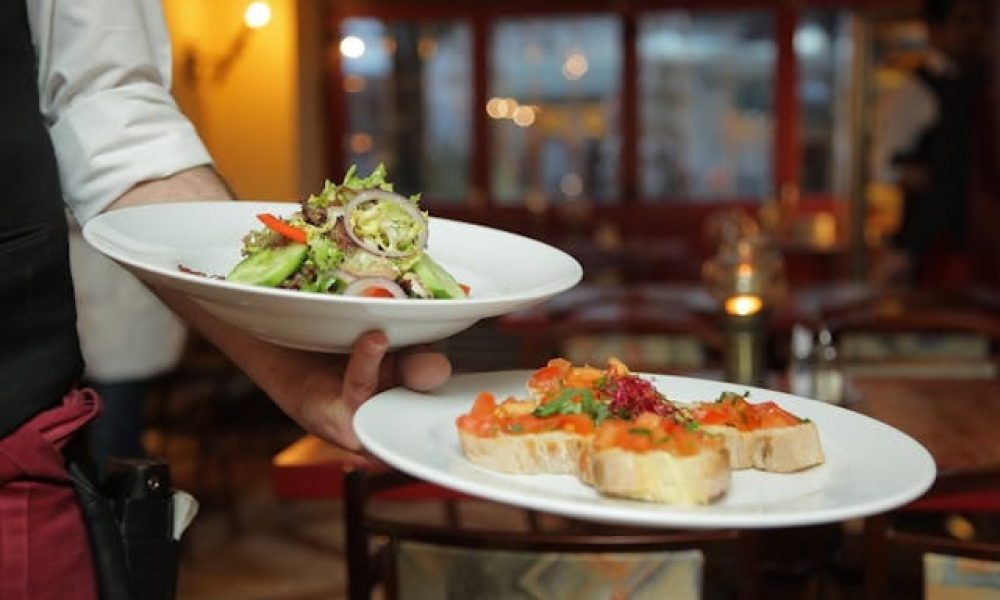
For years, the American dining scene has raced toward novelty: ever more elaborate presentations, Instagrammable dishes, and globally fused flavors all vying for attention. But as we move deeper into the 2020s, a quiet but powerful shift is happening, and it’s redefining how we think about food.
The next big trend isn’t about reinvention. It’s about returning: returning to the land, the water, the farmers, the fishers, and the communities who make every meal possible. In a world driven by speed and convenience, Americans are rediscovering the beauty of food that’s honest, traceable, and deeply connected to its source.
Let’s explore why going back to the source captures imaginations across the country and is more than just a trend; it’s a much-needed movement.
A Growing Appetite for Authenticity
Today’s diners aren’t just asking, “Is it tasty?” They’re asking:
- Where did it come from?
- Who produced it?
- Was it grown or harvested responsibly?
The modern eater craves more than flavor. They crave a story. The more transparent that story, the more meaningful the dining experience becomes.
This is why phrases like “locally sourced,” “farm-to-table,” and “sustainably harvested” are appearing on menus not as marketing gimmicks, but as essential information. Diners are voting with their wallets for food supporting real people and ecosystems.
The farm or fishing boat is no longer hidden in the background. Instead, it’s front and center, celebrated alongside the chefs themselves.
Why the Source Matters More Than Ever
- Trust in a Complex World
Global supply chains have made food availability a marvel, but also a mystery. Where once you might have known the farmer who grew your produce or the fisher who hauled your seafood, today most food travels thousands of miles, handled by countless unseen hands.
In response, diners are seeking to rebuild trust by shortening the food chain. They want the assurance that their fish wasn’t caught by destructive methods, that their vegetables weren’t doused with chemicals, and that their meat came from animals raised humanely.
Returning to the source restores that lost connection, offering assurance that what’s on your plate was handled carefully at every step.
- Supporting Local Economies
Whether it’s a rancher in Texas, a stone crab fisher in Florida, or a cheesemaker in Vermont, when you buy directly from producers, your dollars stay in communities that rely on those industries.
Direct sourcing supports small businesses, preserves traditional skills, and strengthens rural economies that often struggle in the face of industrial competition.
It’s not just good for your dinner table, but it’s good for America.
- Elevated Flavour and Freshness
Food simply tastes better when it hasn’t been shipped across continents or sat in storage for weeks.
- Tomatoes ripened on the vine have a sweetness store-bought ones can’t match.
- Corn eaten the same day it’s picked is an entirely different experience.
- Seafood caught and shipped straight from the coast, like premium stone crab claws, offers a fresh, clean taste of the ocean that’s impossible to fake.
Freshness isn’t a luxury. It’s the foundation of great food. And freshness starts by knowing your source.
The Rebirth of Regional American Foods
Another exciting effect of the “source-first” movement is the revival of regional specialties.
When diners care about origin, they rediscover the rich patchwork of American culinary heritage:
- Gulf shrimp celebrated in the South
- Hatch chiles woven into New Mexican dishes
- Wild Pacific salmon revered in the Northwest
- Artisan cheeses blossoming in the Midwest
Even lesser-known treasures like heirloom grains, ancient beans, or single-estate maple syrup are making comebacks as Americans look closer to home for culinary inspiration.
This revival is breathing new life into local traditions while supporting biodiversity and preserving foodways that might otherwise have been lost.
Seafood: Leading the Way Back to the Source
Perhaps nowhere is this “back to the source” mentality clearer (and more critical) than in the seafood industry.
For years, concerns over overfishing, pollution, and unsustainable practices have made diners wary of ordering seafood. Now, thanks to increased transparency and sustainable fishing initiatives, diners are reclaiming their love of the sea responsibly.
Producers focused on traceability and sustainability are leading the charge. Companies that offer premium, responsibly harvested seafood, like stone crab claws, demonstrate how seafood can be enjoyed guilt-free when the source is respected.
Stone crabs, for example, are a symbol of coastal luxury and sustainability — harvested by carefully removing a single claw and returning the crab to the water, where it can regenerate and thrive.
When diners know the story, when they understand the careful stewardship behind the catch, they savour each bite that much more.
Experiences That Bring You Closer to the Source
Chefs, restaurants, and even food delivery services are embracing the “back to the source” movement by offering experiences that deepen connection to food origins:
- Farm dinners: Multi-course meals served in orchards, fields, or greenhouses where the ingredients were grown.
- Seafood festivals: Celebrations of sustainable fishing communities, offering everything from shucking lessons to crab feasts.
- Artisan markets: Direct-to-consumer events where you can meet the maker behind every loaf, bottle, or cheese wheel.
- At-home experiences: Fresh seafood and specialty products, like stone crab claws, are delivered direct from harvesters, allowing families to recreate coastal feasts at their own tables.
These experiences do more than feed. In fact, they educate, inspire, and reconnect diners with the incredible work and artistry that food production entails.
How Home Cooks Are Joining the Movement
Going back to the source isn’t limited to restaurants or special events. Home cooks across the country are taking it to heart by:
- Joining CSAs (Community Supported Agriculture programs) to get weekly boxes from local farms
- Shopping at farmers’ markets instead of supermarkets
- Ordering seafood and specialty foods directly from harvesters
- Growing herbs, tomatoes, or even small gardens to experience the joy of truly local food
Cooking becomes more rewarding when you know the story behind each ingredient. Every dish becomes a celebration of the journey from soil (or sea!) to plate.
Back to the Source, Forward to the Future
The next big trend in American dining isn’t about chasing the latest novelty. It’s about returning to roots, to authenticity, to connection. It’s about valuing the invisible hands and natural landscapes that nourish us.




