
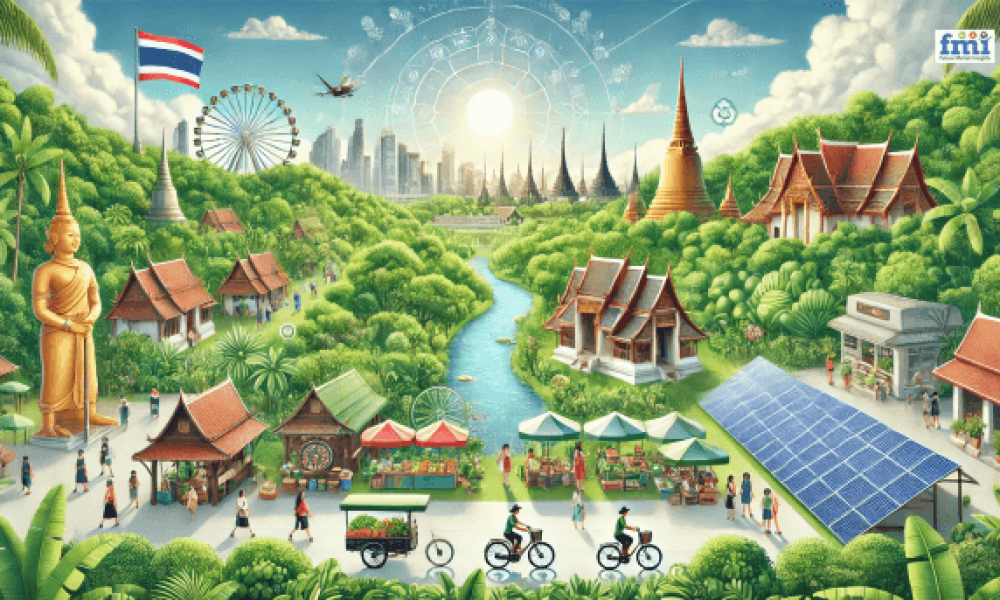
Thailand’s sustainable tourism market is poised for remarkable growth over the next decade, with industry projections indicating a significant increase in value. The market, which is estimated at USD 33.2 million in 2024, is expected to surge to USD 143.9 million by 2034, marking an impressive compound annual growth rate (CAGR) of 15.8%. This surge in sustainable tourism underscores the growing consumer preference for eco-conscious travel experiences and the Thai government’s dedication to promoting green and responsible tourism.
Discover key market opportunities – Request your sample report now! https://www.futuremarketinsights.com/report-sample#5245502d47422d3135333335
The Rise of Sustainable Tourism in Thailand
Thailand, a country renowned for its rich cultural heritage, pristine beaches, and lush landscapes, is rapidly emerging as a global leader in sustainable tourism. The government has increasingly focused on initiatives that promote environmental conservation, sustainable practices, and responsible travel. As global tourists become more eco-conscious, the demand for sustainable travel options has surged, making the country a prime destination for those seeking environmentally friendly experiences.
In 2024, the Thailand Sustainable Tourism market is valued at USD 33.2 million, and this figure is projected to grow significantly. Experts predict that by 2034, the market will expand to USD 143.9 million, driven by consumer demand for greener, more ethical travel options. This trend is aligned with global shifts in travel preferences, where tourists are not only looking for memorable vacations but are also prioritizing the environmental impact of their travels.
Key Drivers of Growth in Thailand’s Sustainable Tourism Market
Several factors are contributing to the rapid growth of the sustainable tourism industry in Thailand. A key driver is the increasing global awareness of environmental issues and the desire for travelers to minimize their carbon footprints. The Thai government, alongside private sector stakeholders, has taken substantial steps to ensure the long-term sustainability of tourism in the country. This includes the introduction of eco-certification programs, initiatives to protect wildlife, and sustainable infrastructure development across popular tourist destinations.
Thailand’s commitment to preserving its unique biodiversity has also played a crucial role in attracting eco-conscious tourists. Conservation programs aimed at protecting marine life, national parks, and forests have been gaining momentum, making the country an ideal destination for nature lovers. Additionally, Thailand’s extensive support for responsible tourism practices has created an environment conducive to the growth of sustainable travel options, including eco-friendly hotels, tours, and transportation.
Discover new opportunities and gain transformative insights with our Outdoor Tourism Industry Reports! https://www.futuremarketinsights.com/industry-analysis/outdoor-tourism
Thailand’s Sustainable Tourism Initiatives and Eco-Friendly Offerings
Thailand has embraced sustainability across its tourism sector with a variety of eco-friendly initiatives. The government has launched campaigns to promote green tourism, spotlighting destinations focused on conservation and environmental responsibility. National parks like Khao Yai and Erawan are leading the way, offering eco-friendly accommodations and tours that minimize environmental impact.
Additionally, many resorts and hotels in Thailand are now receiving international eco-certifications, with a strong emphasis on waste reduction, energy efficiency, and sustainable sourcing of food and materials. Thailand’s transportation sector is also evolving, with more electric vehicle (EV) options available for tourists, helping to lower the carbon footprint of travel.
The country’s culinary scene further supports sustainability, with many restaurants and food markets prioritizing farm-to-table practices and sourcing local ingredients. This not only boosts local agriculture but also offers tourists an authentic, eco-conscious taste of Thai cuisine.
Challenges Faced by Thailand’s Sustainable Tourism Industry
- Limited Awareness Among Tourists: Despite growing demand for eco-friendly travel, many tourists are still unaware of sustainable options, leading to slower adoption of green tourism practices.
- Infrastructure Limitations: While sustainable tourism is growing, there is still a lack of widespread infrastructure, such as eco-friendly accommodations and efficient electric vehicle (EV) charging networks, to meet rising demand.
- Balancing Economic Growth with Environmental Protection: Maintaining a balance between economic benefits from tourism and protecting Thailand’s natural resources remains a constant challenge, especially in high-traffic areas.
- Regulatory Hurdles: There is often a gap between government policies and their effective implementation, with some local regions lacking sufficient enforcement of sustainable tourism practices.
- High Initial Costs: Transitioning to sustainable practices, like adopting eco-friendly technologies and materials, can be costly for businesses, which may deter smaller operators from making the shift.
Leading Sustainable Tourism Brands in Thailand
- Asian Oasis
- Anurak Community Lodge
- AKARYN Hotel Group
- Soneva Kiri
- Elephant Hills
- Six Senses Yao Noi
- The Tongsai Bay
- Yaana Ventures
- The Sarojin
- EXO Travel
- Bike Tours Thailand
Get Full Access of this Report: https://www.futuremarketinsights.com/reports/thailand-sustainable-tourism-market
Key Segments of Industry Report
By Tourism Type:
The industry is categorized into eco-tourism, green tourism, soft tourism, and community tourism based on the tourism type.
By Booking Channel:
Depending on the booking channels, the industry is branched into phone booking, online booking and in-person booking.
By Tourist Type:
Based on the tourist type, the industry is bifurcated into domestic and international.
By Tour Type:
Depending on the tour types, the industry is trifurcated into independent travelers, tour groups, and package travelers.
By Consumer Orientation:
The industry is bifurcated into men and women based on consumer orientation.
By Age Group:
The industry is examined across several age groups, including 15 to 25 years, 26 to 35 years, 36 to 45 years, 46 to 55 years, as well as 66 to 75 years.
About Future Market Insights (FMI)
Future Market Insights, Inc. (ESOMAR certified, recipient of the Stevie Award, and a member of the Greater New York Chamber of Commerce) offers profound insights into the driving factors that are boosting demand in the market. FMI stands as the leading global provider of market intelligence, advisory services, consulting, and events for the Packaging, Food and Beverage, Consumer Technology, Healthcare, Industrial, and Chemicals markets. With a vast team of over 400 analysts worldwide, FMI provides global, regional, and local expertise on diverse domains and industry trends across more than 110 countries.




